Sony Sues Tencent Over Horizon-Like Game, Seeks Injunction
▼ Summary
– Tencent’s Light of Motiram game, announced in late 2024, was widely noted for its strong similarities to Sony’s Horizon series, raising concerns about potential legal action.
– Sony filed a lawsuit in July 2025, after which Tencent quietly removed Horizon-like content from the game’s store pages and delayed its launch from late 2025 to late 2027.
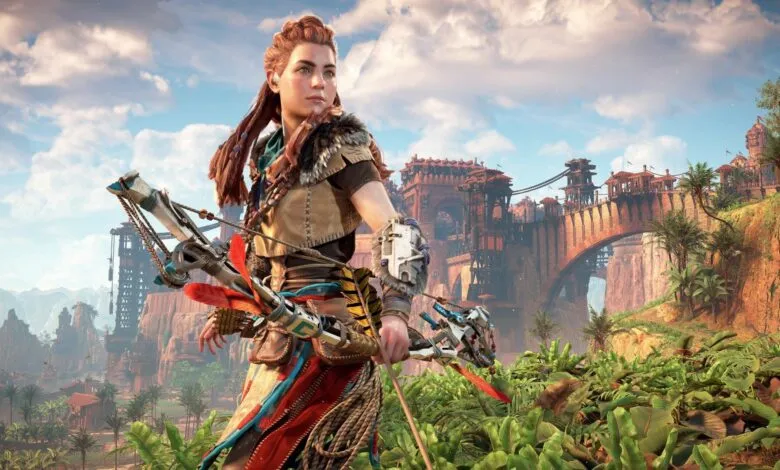
– Sony’s legal filing highlights specific similarities, including a character resembling Aloy, look-alike robot machines and tribes, and the alleged hiring of a Horizon composer for the game’s trailer.
– Sony claims Tencent sought a Horizon license in March 2024, was denied, but proceeded with the similar game and only offered superficial changes after Sony sued.
– Sony is seeking a preliminary injunction to prevent Tencent from using Horizon-derived material, citing consumer confusion and irreparable harm, with the case being heard by the same judge who handled the FTC-Microsoft injunction.
The gaming world is watching a major legal showdown unfold as Sony Interactive Entertainment has taken legal action against Tencent, alleging substantial intellectual property infringement related to Tencent’s upcoming title Light of Motiram. Following the game’s initial announcement in late 2024, many observers immediately noted its striking visual and thematic similarities to Sony’s acclaimed Horizon franchise. The situation escalated dramatically in July 2025 when Sony filed a formal lawsuit, prompting Tencent to quietly remove much of the contested content from the game’s Steam listing and postpone its launch window from late 2025 to late 2027.
What makes this case particularly compelling is the sheer number of alleged similarities between the two properties. Sony’s legal filing specifically highlights a protagonist in Light of Motiram promotional materials who bears an uncanny resemblance to Aloy, the iconic heroine of the Horizon series. Beyond character design, the complaint points to nearly identical robotic creatures, tribal aesthetics, and even a similar Focus device, all core elements that define the Horizon universe. Perhaps most surprisingly, Sony claims Tencent hired a composer who worked on the original Horizon soundtrack to recreate that distinctive audio atmosphere for their game trailer.
![Comparison image showing character similarities between Horizon’s Aloy and Light of Motiram’s protagonist]
The backstory reveals even deeper complexities. According to court documents, Tencent initially approached Sony in March 2024 seeking official licensing rights to develop a Horizon game. When Sony declined this proposal, Tencent allegedly proceeded with developing Light of Motiram anyway, creating what Sony describes as “an open-world survival game with striking resemblance to the Horizon games.” Despite being global business partners, the companies reached an impasse during private negotiations when Tencent reportedly repeated its licensing request rather than addressing the similarity concerns. This stalemate culminated in Tencent releasing a new trailer and announcing playtests, triggering Sony’s legal response.
While Tencent’s subsequent removal of contested material and extended development timeline might suggest concession, Sony remains unconvinced. The gaming giant expresses deep skepticism about Tencent’s corporate transparency and motives, noting that the revised 2027 release date would still precede the likely conclusion of litigation. This skepticism forms the basis for Sony’s current request for a preliminary injunction, which seeks to legally prevent Tencent from using any Horizon-derived material in promotional activities.
This legal maneuver echoes the Federal Trade Commission’s 2023 attempt to block Microsoft’s acquisition of Activision Blizzard through similar preliminary injunction proceedings. In that case, the FTC ultimately failed to secure the injunction, allowing the acquisition to proceed while legal challenges continued. Interestingly, Sony’s injunction request now comes before Judge Jacqueline Scott Corley, the same jurist who denied the FTC’s injunction against Microsoft. Sony argues that without court intervention, Tencent’s continued use of allegedly infringing material could cause irreversible market confusion and damage to the Horizon brand.
The outcome of this high-stakes confrontation could establish significant precedents for intellectual property protection in the gaming industry, particularly regarding visual and thematic similarities between competing titles. As both companies prepare their legal arguments, the gaming community awaits a resolution that might redefine how developers navigate the fine line between inspiration and imitation.
(Source: PC Gamer)