Sony Rejects Tencent’s Defense of Alleged Horizon Rip-Off
▼ Summary
– Sony dismissed Tencent’s legal filing as “nonsense,” asserting the damage from alleged copyright infringement is ongoing despite Tencent delaying its game’s release.
– Sony accused Tencent of copying Horizon’s “look, sound, characters, and narrative,” including hiring its composer and infringing on the Aloy character as a PlayStation symbol.
– Tencent disputed Sony’s claims, arguing it uses common genre tropes and that Sony is trying to monopolize standard elements rather than combat genuine plagiarism.
– Sony criticized Tencent for attempting to avoid liability through corporate restructuring and brand manipulation while maintaining control over the game’s development.
– Sony emphasized that public and media reactions highlighted the game as a blatant copy, risking harm to the Horizon franchise’s success and expansion plans.
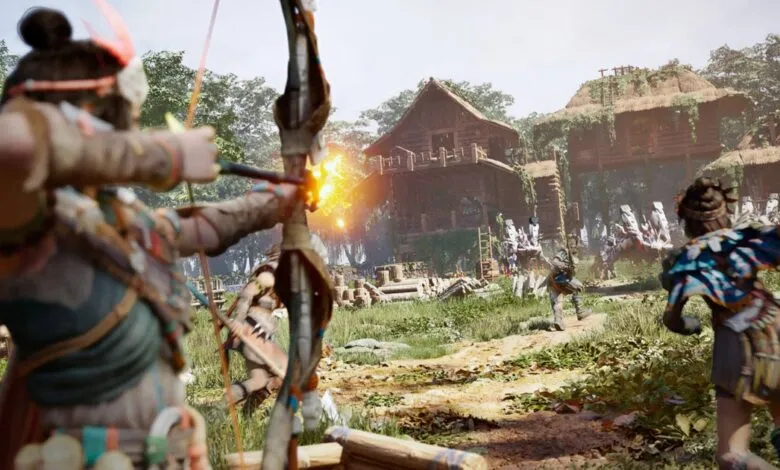
Sony has issued a forceful rebuttal to Tencent’s latest legal arguments in their ongoing copyright dispute, labeling the defense as “nonsense” and maintaining that the harm caused by Tencent’s alleged copying of the Horizon franchise is both significant and ongoing. The entertainment giant contends that Tencent deliberately mimicked the visual style, audio design, characters, and story elements of Sony’s Horizon series, even going so far as to hire the composer from Horizon Forbidden West. Sony asserts that this goes beyond simple character infringement, arguing that protagonist Aloy represents a vital symbol of the PlayStation brand itself.
The legal confrontation began in July when Sony initiated a copyright and trademark lawsuit against Tencent. At that time, Sony requested a jury trial and sought to block the impending release of Tencent’s game, Light of Motiram. Sony’s filing claimed the title was a deliberate rip-off that led many gamers to mistakenly believe it was an official Horizon series installment after viewing promotional materials. In response, Tencent later revised the game’s Steam page and marketing assets.
Last month, Tencent countered Sony’s allegations, denying that Light of Motiram constitutes a “slavish clone” of Horizon. The Chinese company argued that Sony was not defending against genuine plagiarism but rather trying to claim common genre conventions as its own exclusive property. Tencent described its game as employing well-established, “time-honored” tropes that fall outside Sony’s legal ownership.
However, Sony has now publicly rejected Tencent’s assertion that the lawsuit is “unripe” due to Light of Motiram’s delayed release, now scheduled for 2027. Sony characterized the game as a blatant “knock-off” and criticized Tencent for refusing accountability. In legal documents, Sony stated that despite public confusion and criticism over the game’s similarities, Tencent continued promotional activities over Sony’s objections.
Sony further accused Tencent of engaging in corporate maneuvering by using subsidiaries such as Aurora Studios, Level Infinite, and Proxima Beta in what it termed a “shell game.” Sony insists that Tencent Holdings remains in full control, pointing out that the parent company includes Aurora Studios within its Games division and consolidates all gaming revenue and debt in its financial reports without attributing them to specific subsidiaries.
The complaint also highlights what Sony calls “egregious” attempts by Tencent to benefit from the goodwill associated with Aloy’s character. According to Sony, multiple journalists and fans noted the “striking similarities,” with one observer noting the protagonist “resembles Aloy to a tee – red hair and all.” Sony warned that Light of Motiram’s “pervasive copying” threatens the Horizon franchise’s current expansion and future success.
Citing widespread public and press reaction that described the game as a “major Horizon rip off” and an “obvious knock-off,” Sony has asked the court to deny Tencent’s motion to dismiss the case. The litigation remains active as both parties prepare for further legal proceedings.
(Source: Games Industry)