▼ Summary
– Microbial protein, produced by MicroHarvest, is a vegan protein powder made from agricultural waste using microbes, with potential applications in human and pet food.
– The fermentation process is highly efficient, requiring minimal land and water while reducing CO2 emissions by over 70% compared to beef production.
– MicroHarvest’s protein powder is nutrient-dense, containing 60% raw protein, and is currently used in vegan dog treats while awaiting regulatory approval for human consumption.
– The alt-protein sector is growing, with Europe attracting nearly half of global fermentation-based startup funding in 2024, supported by a new €350mn EU strategy.
– Challenges include high production costs, consumer skepticism, and lengthy regulatory processes, but MicroHarvest remains optimistic about scaling through pet food and aquaculture markets.
Could dead bacteria revolutionize the way we eat? A beige powder swirling inside a glass vial might not look appetizing, but this microbial protein could transform both pet food and human diets. Katelijne Bekers, co-founder of MicroHarvest, holds the key to this innovation, a Hamburg and Lisbon-based startup converting agricultural waste into nutrient-rich protein using bacteria.
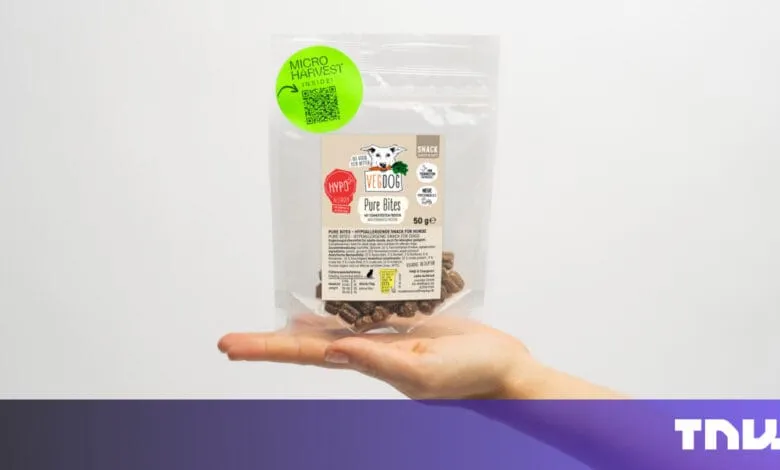
Inside their Lisbon pilot facility, housed in a repurposed military food factory, steel fermenters bubble with billions of microbes feasting on leftover sugars. These microorganisms multiply rapidly before being deactivated and dried into a protein-packed powder resembling brown flour. With 60% protein content, plus fiber and essential amino acids, the ingredient is already finding its way into vegan dog treats, with human snacks like protein bars and shakes potentially next in line.
MicroHarvest’s approach offers staggering efficiency. Their fermentation process takes less than 24 hours, compared to months or years for traditional livestock or crops. Studies suggest swapping just 20% of global beef consumption with microbial protein could halve deforestation by 2050, while slashing land use by 99% and cutting CO2 emissions by over 70% compared to beef production.
Still, challenges loom. Consumer skepticism and regulatory hurdles remain significant barriers. While MicroHarvest has submitted its dossier to the European Food Safety Authority (EFSA), approval for human consumption could take years. Meanwhile, the pet food market offers a faster route to commercialization, with fewer restrictions and growing demand for sustainable alternatives.
The company isn’t alone in this space. Competitors like Germany’s Formo and the UK’s Enough are racing to perfect microbial and fungal proteins, backed by nearly $1 billion in global investments last year. The EU has also pledged €350 million to scale fermentation technology, signaling strong institutional support.
For now, MicroHarvest is focusing on expansion, aiming to open a new production facility by 2027 with 40 times its current output. Whether microbial protein becomes a staple or remains a niche alternative depends on cost, taste, and public acceptance. One thing’s certain, the future of food is fermenting, and it might just start with our pets.
(Source: The Next Web)