Solar and Hydro Gains Push Coal Off US Grid
▼ Summary
– US grid demand initially spiked 3% in early 2025, causing a coal resurgence, but growth slowed significantly later in the year.
– By early 2026, the US grid returned to slow demand growth (1.5%) with renewables displacing coal, though weather distortions complicate analysis.
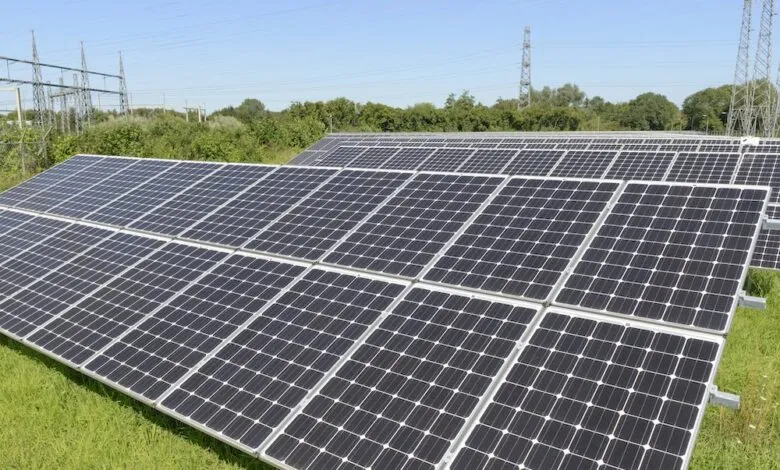
– Solar output rose 24% year-over-year in Q1 2026, offsetting 80% of demand growth, while combined renewables grew 1.8 times faster than demand.
– Fossil fuel use dropped 3% overall, but natural gas slightly increased while coal fell over 10%, a trend potentially impacted by rising gas prices from the Persian Gulf conflict.
– Hydroelectric production surged in early 2026 despite no capacity increase, likely due to early snowmelt from unseasonal western US warmth, which may cause later shortages.
Last year’s early grid data sparked concern that a data-center-driven demand surge was reshaping the US power mix. Demand climbed roughly 3 percent, briefly interrupting coal’s long decline. By year’s end, however, both trends had softened considerably.
Now, just months later, the US grid has returned to its familiar pattern: modest demand growth paired with renewables steadily displacing coal. The standout exception is hydroelectric generation, which has surged without any corresponding capacity expansion. Analysts attribute this to unusually warm weather across the western US, which triggered early snowpack melting. That could create supply challenges later in the year.
Fossil fuels are losing ground as clean energy expands. US electricity demand rose just 1.5 percent in the first quarter of 2026 compared to the same period in 2025. Weather often drives early-year demand shifts, but 2026 presented an unusual split: the western half of the country experienced unseasonable heat while the eastern half endured a deep freeze. Given these extremes, it’s wise to wait for more data before drawing firm conclusions from the modest demand uptick.
The most significant shift remains solar’s rapid growth. Solar output increased 24 percent year-over-year in the first quarter, offsetting 80 percent of the rise in demand. Combined, the three major renewables,wind, solar, and hydro,grew 11 percent compared to the same quarter last year, roughly 1.8 times the rate of demand growth.
With renewable expansion outpacing demand, fossil fuels had no room to grow. Overall fossil fuel generation fell about 3 percent year-over-year, a drop comparable in absolute terms to the increase in demand. Natural gas use, however, edged up slightly, meaning coal bore the brunt of the decline, falling more than 10 percent. That calculus could shift if the ongoing Persian Gulf conflict drives global natural gas prices higher, but that dynamic had not yet materialized in this data set.
(Source: Ars Technica)