F1 plans another engine change for 2027, and V8s might return
▼ Summary
– F1 is tweaking its 2026 power unit regulations after initial changes in Miami improved qualifying spectacle, with further adjustments planned for 2027.
– The 2026 technical regulations emphasize a near-50:50 split between electric and combustion power, using carbon-neutral fuels and active aerodynamics.
– The greater electrical focus successfully attracted new OEMs but raised concerns about insufficient battery capacity for a full lap.
– Cars can only regenerate a fraction of braking energy because the electric motor is limited to the rear axle, partly to avoid giving Audi an advantage.
– Off-track stakeholder negotiations remain intense as the sport tries to resolve trade-offs created by the new hybrid power unit rules.
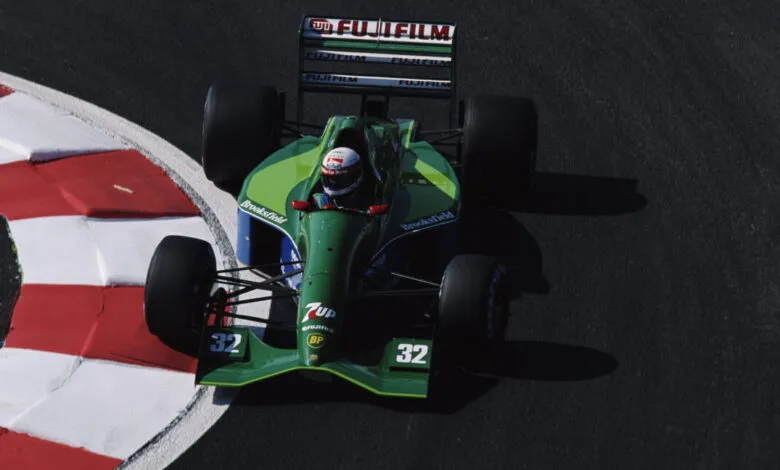
Formula 1’s on-track product might look unrecognizable between 2006, 1986, and the upcoming 2026 season, but thank goodness the sport’s off-track drama remains just as gripping. Right now, that drama involves F1’s key players trying to back out of a corner they painted themselves into with the planned introduction of new V6 hybrid power units for 2026. A first adjustment came in Miami, where minor tweaks successfully restored some of the spectacle to qualifying. Yet the sport appears to be in a particularly proactive mood, and further changes are now on the table for 2027. However, as we’ll see, every solution brings its own trade-offs.
F1’s current technical regulations, which took effect at the start of this year, have been under development for some time. As early as 2022, it was clear there would be a much heavier focus on the electric side of the hybrid system, with a near 50:50 power split from an all-new, supposedly simpler V6 turbocharged engine running on carbon-neutral fuels, paired with active aerodynamics to reduce drag. Two years later, the FIA, which organizes the sport, published the final set of rules.
The push toward a larger electrical component was designed as a concession to the auto industry, and it did succeed in attracting new manufacturers. But early concerns quickly emerged that the battery capacity would be too small to feed the powerful electric motor for the majority of a lap. And because the regulations limit the electric motor to the rear axle only,reportedly out of fear that new entrant Audi would gain an unfair advantage,teams can recover only a fraction of the total energy available under braking.
(Source: Ars Technica)