Affordable Streaming Services Are on the Rise
▼ Summary
– Major streaming services like Amazon Prime Video, Netflix, and Disney+ have raised prices in 2025, leading many consumers to feel they pay too much and cancel subscriptions.
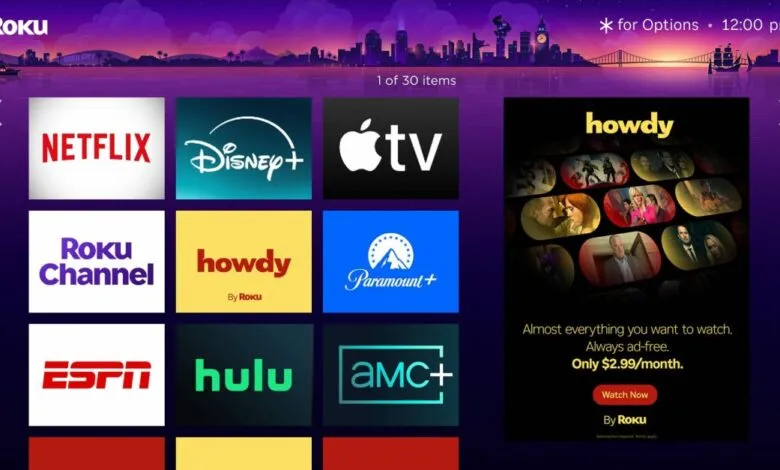
– Roku launched Howdy, an ad-free streaming service for $2.99/month, targeting budget-conscious consumers with a catalog of older movies and TV shows.
– Howdy’s catalog consists of “catalog content” like older films and series, and Roku is expanding it through new deals with studios like Sony and Disney.
– Roku has a history of reaching cost-sensitive customers and plans to market Howdy aggressively on its own platform and expand it to third-party devices internationally.
– Industry analysts suggest the low-cost streaming model may spread, but question if Roku can profit long-term without eventually raising Howdy’s price.
The cost of streaming continues to climb, with major platforms like Netflix, Disney+, and now Amazon Prime Video implementing price hikes. This trend is pushing many consumers to reconsider their monthly entertainment budgets. About half of U. S. consumers believe they pay too much for streaming, and a significant number of recent cancellations are directly tied to cost. In this environment, Roku is making a strategic play with its new budget service, Howdy, offering an ad-free library for just $2.99 per month. This move capitalizes on growing frustration with premium pricing and positions Roku to attract a value-conscious audience.
Roku’s CEO, Anthony Wood, has expressed strong personal belief in Howdy’s potential, calling it a future cornerstone of their business. The service, which launched last August, provides over 10,000 hours of content. Its appeal lies not in new originals, but in a catalog of older films and series, such as Sleepless in Seattle and the first Paddington movie. Industry analyst Michael Goodman describes it as leveraging “a lot of catalog content,” meaning established titles from Hollywood’s back library. While the initial selection was modest, Roku has been actively expanding it through new deals with major studios like Sony Pictures, Disney, and Warner Bros.
Howdy exists in a unique space alongside Roku’s successful, ad-supported Roku Channel. Many titles are available on both, giving viewers a choice between free viewing with commercials or a low-cost, ad-free experience. This dual approach is a smart business strategy. As Goodman notes, no single model fits every consumer, and offering multiple options is key to reaching a broad audience. Roku has a proven track record of appealing to budget-minded customers, from its affordable streaming sticks to its partnerships with value-oriented TV manufacturers like TCL and Hisense.
The company also possesses a powerful built-in marketing tool: its own platform. When users search for a film on a Roku device, the system can prompt them to subscribe to Howdy for access, a direct upsell opportunity not available on competitors’ hardware. Roku plans to extend Howdy’s reach beyond its ecosystem this year, aiming to make it available on third-party devices. Wood argues that for Howdy to achieve significant scale, it “needs to be everywhere” major streaming services are, including internationally.
This trend of low-cost, ad-free tiers may not be limited to Roku. Goodman predicts other free streaming services could introduce similar paid plans. YouTube has already tested these waters with its Premium Lite plan, offering ad-free viewing of most videos for $8 monthly. The critical challenge for Roku will be managing content licensing costs to ensure Howdy remains profitable as it grows. The industry has seen this story before; services like Apple TV+ and Peacock launched with aggressive discounts only to raise prices substantially later.
The central question is whether Howdy can resist the same inflationary pressures. Goodman suggests it likely cannot forever, stating that “over time, the price will rise.” For now, however, Howdy represents a compelling alternative for viewers fatigued by the rising cost of digital entertainment, proving that in a market of premium offerings, there is still substantial room for a carefully curated, budget-friendly option.
(Source: The Verge)