Netflix’s Response to HBO Merger: Cancel If Prices Rise
▼ Summary
– There is concern that Netflix’s proposed acquisition of Warner Bros. Discovery could lead to higher prices for subscribers due to reduced competition.
– Netflix co-CEO Ted Sarandos argued at a Senate hearing that the merger would instead give consumers more content for less money, citing complementary services.
– Sarandos downplayed monopoly fears by stating the streaming market remains competitive, pointing to rivals like YouTube, Google, Apple, and Amazon.
– He emphasized Netflix’s one-click cancel policy as a consumer protection against price hikes and claimed the company is working with the DOJ on pricing guardrails.
– Sarandos claimed the merger creates value, noting Netflix subscribers pay about 35 cents per hour of content watched, which he presented as a favorable metric compared to competitors.
The potential acquisition of Warner Bros. Discovery by Netflix has sparked significant debate, with many subscribers worried about the prospect of higher prices in a less competitive streaming market. During a recent U.S. Senate hearing, Netflix co-CEO Ted Sarandos addressed these concerns directly, arguing the merger would actually benefit consumers by offering more content for less money. He emphasized the complementary nature of the two services and pointed to the current competitive landscape to allay fears of a monopoly.
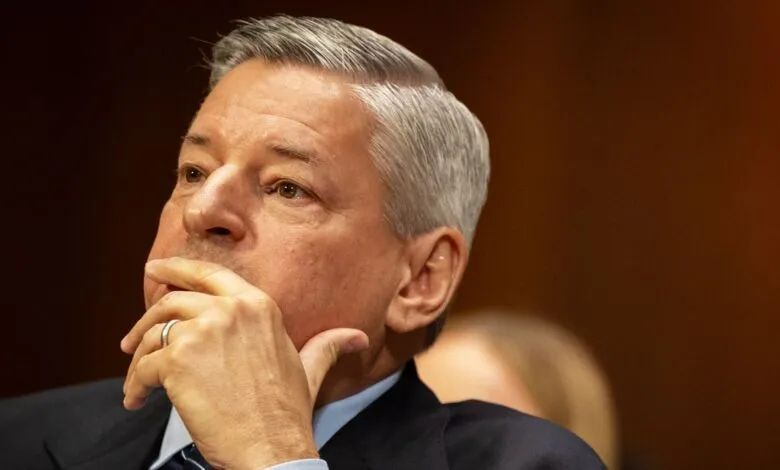
Sarandos testified before the Senate Judiciary Committee’s antitrust subcommittee, which is examining the proposed deal. His central argument was that the combination would not create a monopoly in streaming or production. He noted that Netflix and Warner Bros. Discovery services are highly complementary, with a large overlap in their subscriber bases. In fact, he stated that approximately 80 percent of HBO Max subscribers also pay for Netflix. The merger, in his view, would consolidate content, giving consumers a broader library without necessarily increasing their overall spending.
When questioned by Senator Amy Klobuchar about affordability, especially following Netflix’s own price increase earlier this year, Sarandos pointed to the competitive pressures still present in the industry. He defended past price hikes by stating they came with added value for subscribers. More notably, he highlighted the ease of canceling a subscription as a fundamental consumer protection. “We are a one-click cancel, so if the consumer says, ‘That’s too much for what I’m getting,’ they can cancel with one click,” Sarandos told the committee. He further mentioned that Netflix is collaborating with the Department of Justice to establish potential safeguards against unjustified future price increases.
A key part of Sarandos’s testimony focused on redefining value for subscribers. He presented calculations suggesting Netflix offers a lower cost per viewing hour compared to rivals. According to his figures, Netflix subscribers pay an average of 35 cents per hour of content watched, a stark contrast to the 90 cents he attributed to Paramount+. This metric, he argued, demonstrates that the service already provides significant value, which the merger would enhance through a more extensive content library. Independent analysis from earlier this year appears to support this general premise, showing similar disparities in revenue per viewing hour across major streamers.
To counter monopoly concerns, Sarandos framed Warner Bros. Discovery as both a competitor and a content supplier. He argued that Netflix’s strategy has always been about expanding choice, not limiting it. He also broadened the competitive frame beyond traditional streaming rivals. Sarandos pointed to major technology firms like Google, Apple, and Amazon as deep-pocketed competitors vying for dominance in television. He specifically cited YouTube’s commanding share of TV screen viewing time, which recent Nielsen data shows exceeds that of any single subscription video-on-demand service, including Netflix. By merging with HBO Max, Sarandos estimated Netflix would control about 21 percent of the streaming market, a share he suggested does not equate to monopolistic power in a diverse and rapidly evolving digital media ecosystem.
(Source: Wired)