Velotric Discover M Review: The Ultimate Commuter Bike?
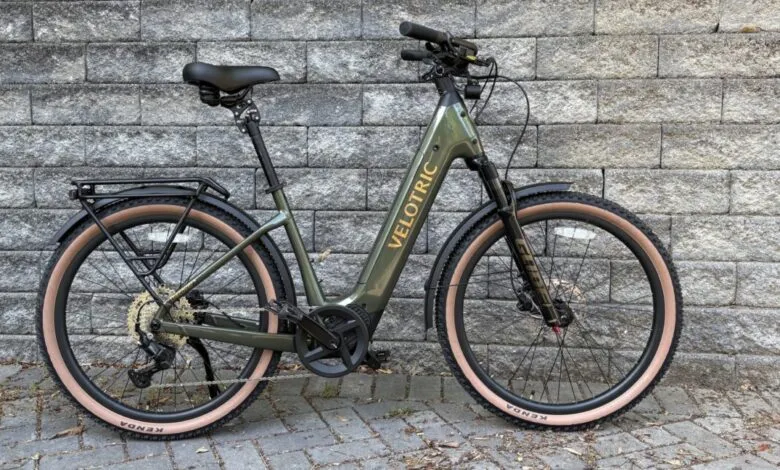
▼ Summary
– Commuter bikes only need to comfortably and reliably travel on typical roads, unlike specialized mountain or road bikes.
– The author found the Velotric Discover M to be an ideal commuter bike, priced just under $2,500 with no compromises.
– The Discover M upgrades from the original Discover 1 by replacing the hub motor with a mid-frame motor.
– The bike uses a torque sensor by default, which measures pedaling force for more natural electric assist, unlike a cadence sensor.
– Velotric has expanded its lineup, moved upmarket, and now works with local US dealers.
Commuter bikes operate under a different set of rules than most other cycles. Mountain bikes must handle rugged, abusive terrain with finesse, while road bikes need to balance high performance with enough comfort for hours in the saddle. A commuter bike has a simpler mission: get you from point A to point B on standard roads, comfortably and reliably, with as little hassle as possible.
That simplicity, however, has rarely translated into success in my testing. On the low end, predictable compromises heavily diminish the riding experience. High-end models fix those flaws, but at prices that rival specialized performance bikes. For a long time, I couldn’t find a middle ground,something affordable yet free of major trade-offs.
I believe I’ve finally found it in the Velotric Discover M. Priced just under $2,500, this bike delivers a comfortable ride paired with a well-matched component set that feels cohesive rather than cobbled together.
A clear step up from the original
Velotric’s first commuter, the Discover 1, was a promising debut, though it clearly fell into the “some compromises required” camp. The shortcomings were minor and strategically chosen. Since then, the company has grown considerably, launching new models, partnering with local dealers across the US, and moving upscale.
The new Discover M reflects that shift. It costs nearly double the original, but the upgrades justify the price. The old hub motor is gone, replaced by a mid-frame motor built under contract for Velotric.
A key improvement is the default torque sensor. While you can still select a cadence sensor via the menu, the torque sensor is the standard setting. A cadence sensor simply detects when the pedals are spinning; a torque sensor measures how much force you’re applying to the cranks. The difference is dramatic. Instead of feeling like the motor is taking over, the assist feels like a natural extension of your own effort,a genuine boost for your legs, not a replacement for pedaling.
(Source: Ars Technica)