Uber & Avride Launch Robotaxi Service in Dallas
▼ Summary
– Uber and Avride have launched a commercial robotaxi service in Dallas, which currently includes a human safety operator and a limited operating area.
– This is part of Uber’s broader strategy, having secured 20 partnerships with AV companies and offering robotaxis in several cities with partners like Waymo and WeRide.
– Uber plans to expand its autonomous vehicle network to at least 10 cities by the end of 2026, including locations like London, Los Angeles, and Dubai.
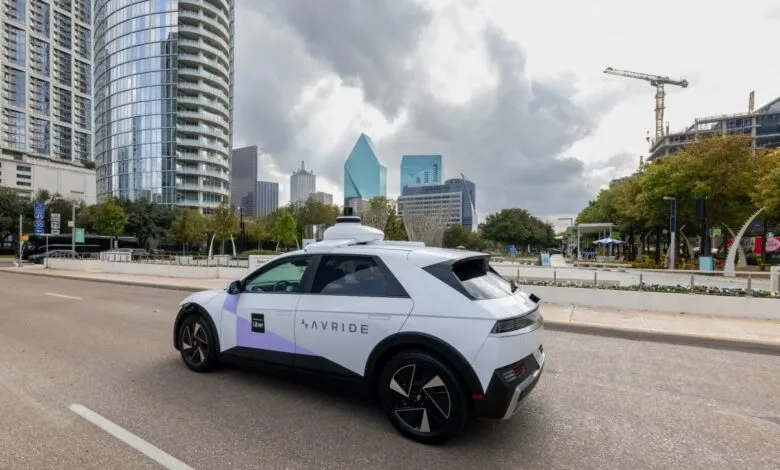
– The Dallas service uses a fleet of electric Hyundai Ioniq 5 vehicles and will eventually expand to hundreds of robotaxis, with Uber managing day-to-day fleet operations.
– Uber riders requesting certain ride types may be matched with an Avride robotaxi at the same price as a human-driven ride, and they can accept or decline the match via the app.
Residents of Dallas using the Uber app might now find themselves stepping into a futuristic ride. Uber and Avride have officially launched a commercial robotaxi service in the city, marking a significant step in their year-long partnership. For now, the service includes a human safety operator behind the wheel and is confined to a specific geographic zone. The companies have outlined plans to eventually remove the safety driver and broaden the service area, moving toward fully driverless operations.
This Dallas launch represents a key milestone in Uber’s aggressive strategy to integrate autonomous vehicle technology. Over the past year, the ride-hailing giant has forged numerous partnerships across the freight, delivery, and robotaxi sectors. Uber now boasts 20 partnerships with AV companies, several of which are already in commercial operation. Through its app, customers can access autonomous rides in cities like Abu Dhabi and Riyadh with WeRide, and in Atlanta, Austin, and Phoenix with Waymo. The company has set an ambitious target to have autonomous vehicles on its network in at least ten cities by the end of 2026, with planned expansions in Arlington, Dubai, London, Los Angeles, Munich, and the San Francisco Bay Area.
Many of these collaborations involve a financial stake from Uber. Avride, an Austin-based startup under the Nebius Group, is one such beneficiary. The partnership solidified last fall with a multi-year deal to integrate Avride’s sidewalk delivery robots and autonomous vehicles into both Uber and Uber Eats. Shortly after, the sidewalk robots began making food deliveries in Austin, Dallas, and Jersey City. This fall, Avride secured strategic investments and commercial commitments totaling $375 million from Uber and its parent company, Nebius.
While the food delivery robots were a notable development, the debut of the robotaxi service carries greater significance for both companies’ long-term visions. The initial fleet consists of all-electric Hyundai Ioniq 5 vehicles outfitted with Avride’s self-driving technology. These vehicles will operate within a nine-square-mile area encompassing downtown Dallas, with plans to gradually expand the territory. Although the current number of vehicles is limited, Uber indicates the fleet is expected to grow to hundreds of robotaxis in Dallas over the next few years.
The operational model in Dallas will eventually mirror Uber’s existing partnership with Waymo. Initially, Avride will manage its own fleet, but Uber will later assume daily operations such as cleaning, maintenance, vehicle inspections, charging, and depot management. From the outset, Uber will handle all rider support, while Avride focuses on vehicle testing and the self-driving system.
Customers requesting an UberX, Uber Comfort, or Uber Comfort Electric ride in the service area may be matched with an Avride robotaxi. The match is not guaranteed, but riders can adjust a setting in the app to increase their likelihood of getting a driverless car. Crucially, the company states that a ride in a robotaxi will cost the same as a trip with a human driver. When matched with an Avride vehicle, users receive a notification and can choose to accept the autonomous ride or opt for a human-driven car instead. Upon the robotaxi’s arrival, riders use the Uber app to unlock the doors, open the trunk, and begin their journey.
(Source: TechCrunch)