Alexa Plus: Smarter, But Still Not Smart Enough
▼ Summary
– Amazon is launching new Echo hardware to support Alexa Plus, its AI-powered voice assistant upgrade that’s currently in Early Access.
– Alexa Plus improves smart home control with natural language processing but remains slower and less reliable than the previous version.
– The assistant combines generative AI with deterministic systems, creating a more powerful yet inconsistent user experience for device management.
– Hardware limitations, particularly with Echo Show devices, hinder Alexa Plus’s potential by failing to synchronize voice commands with visual interfaces effectively.
– Despite promising advancements, Alexa Plus currently functions as a more convenient smart home manager rather than the transformative AI system initially envisioned.
Amazon’s new Alexa Plus represents a significant step forward for its voice assistant, aiming to blend smart home management, personal assistance, and generative AI capabilities into one seamless experience. After several months of early access testing, it’s clear this upgraded system shows promise but still has considerable room for improvement before it can truly transform how we interact with our homes.
The foundation of Alexa Plus involves a complete architectural overhaul, moving away from rigid command structures toward a more conversational, intuitive interface. This shift allows users to control devices using natural language without repeating “Alexa” constantly, and it supports mid-command corrections, a welcome change from earlier versions. Yet, despite these advances, the experience often falls short of the effortless, ambient home environment many have envisioned.
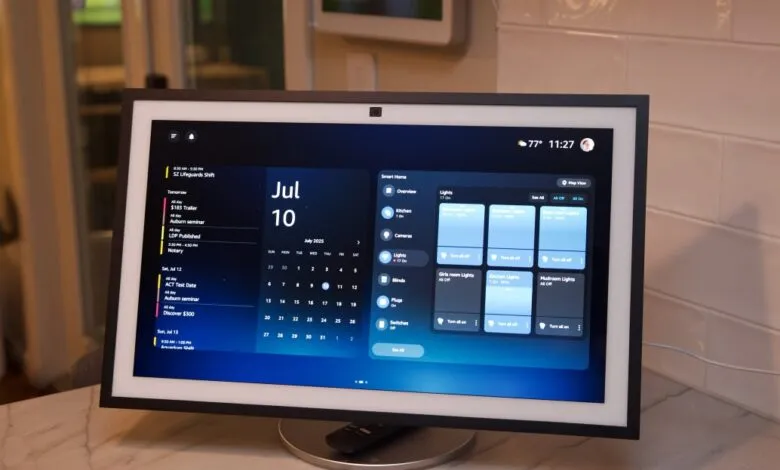
In practical terms, Alexa Plus excels at handling multi-step commands. You can now say, “Dim the lights, lower the thermostat, lock the front door, and remind me to take out the trash tomorrow,” and watch it execute each task smoothly. Managing connected devices has also become more intuitive, especially on Echo Show displays. Instead of scrolling through small video thumbnails in the Ring app, you can ask when the cat was last on the porch and instantly view a full-screen recording. The updated interface on Show models offers larger widgets, customizable layouts, and quicker access to smart home controls.
Recently, Alexa helped me optimize my home automation by suggesting routines, building them based on my preferences, and even integrating a new air purifier, all through conversation and without requiring tedious app adjustments. However, this convenience comes with noticeable delays. Some queries take up to 15 seconds to process, and while local commands like adjusting lights or thermostats via Matter connections remain quick, requesting weather updates or music can feel sluggish.
Basic functions that once worked reliably now behave inconsistently. My Alexa-enabled coffee maker remains difficult to operate, and setting the bathroom fan to run for a specific duration has become hit-or-miss. Sometimes Alexa creates a routine but fails to activate it; other times, it turns the fan on but never off. These reliability issues highlight a core challenge: large language models excel at understanding natural speech but lack the predictability essential for dependable smart home operation.
Amazon has attempted to balance this by using its LLM as an interpreter, translating user requests before passing them to deterministic systems like APIs or local device controllers. While this approach usually works, miscommunications or API gaps can still cause failures. The company has focused on preventing “hallucinations” or erratic behaviors, thankfully, my testing revealed no unauthorized door unlocks or temperature spikes, but the trade-off is an assistant that feels cautious rather than revolutionary.
Many frustrations with Alexa Plus relate to its hardware. Current Echo Show devices serve as the primary interface, yet voice and screen interactions aren’t fully synchronized. Asking to see a recipe may result in Alexa reading instructions aloud instead of displaying them. Improved hardware that seamlessly blends audio and visual feedback could make the system far more compelling. Additionally, Echo Shows often struggle to hear commands clearly, a issue Amazon must address.
Upcoming hardware releases, developed under Panos Panay’s direction, may hold the key to unlocking Alexa Plus’s full potential. How well these new devices integrate with the software will determine whether Alexa Plus evolves from a promising upgrade into the intelligent, unified home system users have been waiting for.
(Source: The Verge)