Windows 12 in 2026: AI Features Could Demand New CPUs
▼ Summary
– Windows 12, codenamed Hudson Valley, is rumored to be an AI-centric operating system that may require CPUs with dedicated Neural Processing Units (NPUs).
– The OS is expected to use a modular CorePC architecture for flexible, optimized installations across devices, from desktops to mobiles.
– Its release could align with the end of Windows 10 support in late 2025, potentially forcing users to upgrade hardware to meet new AI-driven system requirements.
– AI would be a fundamental component, powering features like activity monitoring for recommendations and an evolved Gaming Copilot, moving beyond optional add-ons.
– The upgrade may involve additional costs, including possible subscription models, though a streamlined Home version could be a free upgrade.
The next major release of Microsoft’s operating system, potentially arriving in 2026, might present a significant hardware hurdle for users. Windows 12 is rumored to require processors with a dedicated Neural Processing Unit (NPU) to fully leverage its AI-centric design, a move that could necessitate purchasing new hardware. This shift towards an AI-dominated platform, coupled with possible subscription models, indicates a substantial evolution in how Microsoft delivers its core software.
Recent reports and manufacturer leaks point to a codename of “Hudson Valley” for the upcoming OS. It is expected to be built on a more adaptable “CorePC” architecture. This modular foundation would allow for highly tailored installations, optimizing the system for everything from traditional desktops to mobile devices. The goal is a single, flexible software base that can be configured for specific performance and form-factor needs.
This potential hardware requirement arrives at a critical time. Microsoft faced considerable pushback for blocking upgrades to Windows 11 on some older but capable PCs. With extended support for Windows 10 concluding in October 2026, a new operating system is anticipated to fill that void. However, its deep integration of artificial intelligence could once again leave many current systems behind, forcing a hardware refresh for users who wish to upgrade.
The drive for specialized silicon stems from Microsoft’s heavy investment in AI, particularly its Copilot ecosystem. In the next OS, machine learning is expected to transition from powering optional add-ons to becoming a fundamental, always-on component of the user experience. This could mean the system proactively monitors activity to offer recommendations, accelerates searches, and provides system-wide assistance. Gamers might also see benefits through an evolved version of Gaming Copilot designed to enhance their experience.
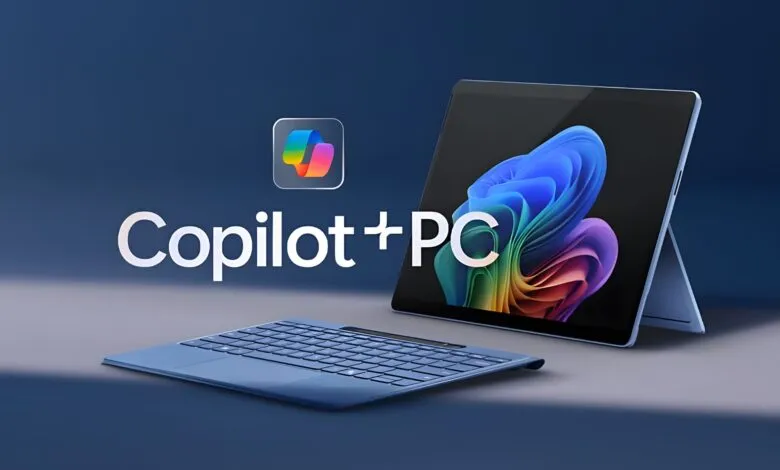
While Windows 11 introduced various AI features, they often operate in a simplified manner or rely on cloud processing. Newer CPUs from Intel (Core Ultra) and AMD (Ryzen AI) include dedicated NPUs capable of over 40 Tera Operations Per Second (TOPS). These chips handle AI tasks locally, reducing latency, improving privacy, and offloading work from the main processor and graphics card. It is this local processing power that Windows 12 may mandate for core functionality.
The exact limitations for systems without a capable NPU remain unclear. It is possible they could run a stripped-down version of the OS or lose access to key AI-driven features. This creates a challenge for Microsoft in encouraging adoption, as many users who recently invested in Windows 11 hardware may find their systems incompatible. The rationale is no longer primarily about security updates, but about making advanced AI capabilities a baseline requirement.
Further complicating the upgrade path are persistent rumors of subscription-based plans. Analysts suggest any additional costs would likely be tied to enhanced cloud services, such as an improved Windows 365. A streamlined, standard “Home” edition of Windows 12 might still be offered as a free upgrade for eligible devices when it eventually launches, but the full, AI-powered experience could come with new strings attached.
(Source: NotebookCheck)