Harbinger Acquires Self-Driving Tech Firm Phantom AI
▼ Summary
– Harbinger, an electric truck startup, has acquired autonomous software company Phantom AI to vertically integrate technology and create new revenue streams.
– The acquisition is part of Harbinger’s expansion beyond truck chassis, including a recent move to sell battery packs to customers like Airstream.
– Harbinger has already secured German automotive giant ZF Group as a customer to license the acquired driver-assistance tech for passenger cars.
– The company’s CEO expects significant revenue from this software licensing by 2027 or 2028, though current revenue from it is minor compared to chassis sales.
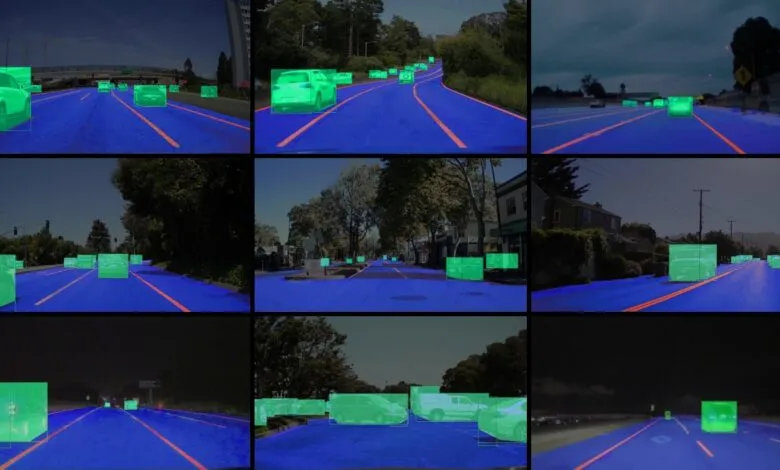
– The integration aims to add crucial safety features to medium-duty trucks, which currently lack common technologies like automatic emergency braking.
In a strategic move to broaden its technological capabilities and unlock new revenue opportunities, electric truck manufacturer Harbinger has completed its first acquisition by purchasing autonomous driving software company Phantom AI. This purchase represents a deliberate step beyond the company’s core business of building electric truck chassis, signaling a push into vertical integration. The deal follows closely on the heels of Harbinger’s recent announcement to sell its battery packs for energy storage, with Airstream as an initial client, showcasing a pattern of portfolio expansion.
The commercial potential of this acquisition became immediately clear, as Harbinger simultaneously revealed a licensing agreement with the German automotive technology powerhouse ZF Group. ZF plans to integrate Phantom AI’s advanced driver assistance systems into passenger vehicles from various automakers. While the financial details of both the acquisition and the licensing deal remain confidential, this partnership establishes a new software services division for the young truck maker.
John Harris, Harbinger’s co-founder and CEO, indicated that revenue from this new software line is projected to reach “millions” this year. He was quick to note, however, that this figure is relatively modest compared to the income generated from their primary chassis business. The company is financially robust, having recently secured $160 million in a funding round co-led by industry giants FedEx and THOR Industries, both of which are also customers. Harris anticipates that the more substantial financial impact from the ZF partnership will materialize in 2027 or 2028, capitalizing on the immense scale of the passenger car market.
For Harbinger’s own commercial clients, the deeper integration of Phantom AI’s technology is expected to deliver significant safety enhancements. Harris pointed out a glaring gap in the medium-duty trucking sector, where basic safety features are often absent. “The majority of medium-duty vehicles on the road have no backup cameras, no lane keeping, no automatic emergency braking,” he explained. This is particularly concerning given how these vehicles are typically used, navigating crowded delivery zones, truck ports, and residential neighborhoods where the risk of accidents is high.
Harbinger already promotes the benefits of its electric chassis, including lower total ownership costs, reduced emissions, and a simpler driving experience. The addition of sophisticated driver-assistance features is poised to make their offering substantially more compelling. Harris emphasized the critical need for modern safety standards, stating the goal is to equip these work trucks with proven, commodity safety technology that has been available for years.
While Harbinger is headquartered in Los Angeles, Phantom AI’s operations will continue independently. The entire team of approximately 30 employees, including its leadership, will remain at their base in Mountain View, California.
(Source: TechCrunch)