CES 2026: The Rise of Physical AI
▼ Summary
– AI technology is shifting from purely digital applications to physical, real-world interactions, as highlighted at CES 2026.
– The CES 2026 tech showcase was dominated by the themes of “physical AI” and robotics.
– Notable exhibits included Boston Dynamics’ redesigned Atlas humanoid robot and various AI-powered consumer appliances.
– Companies are demonstrating that AI can now perform physical tasks like moving factory parts, catching drones, and entertainment.
– The developments were discussed in a TechCrunch Equity podcast covering CES 2026 and other notable deals from the week.
The world of artificial intelligence is stepping out from behind the screen and into our physical environment, a transformation that was the undeniable centerpiece of this year’s Consumer Electronics Show. For years, AI’s most visible applications have been digital assistants and creative tools, but the 2026 showcase in Las Vegas made it clear the technology is now being built into machines that interact with the real world. This shift toward physical AI and embodied intelligence represents a fundamental new chapter, moving beyond data processing to direct action and environmental manipulation.
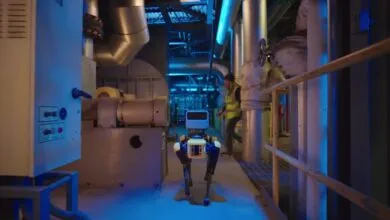
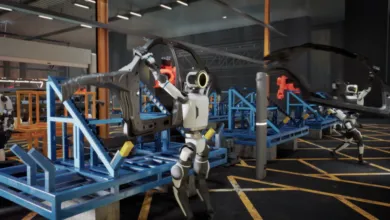
Walking the expansive convention floors, the evidence was everywhere. A newly redesigned Atlas humanoid robot from Boston Dynamics demonstrated astonishing agility, while other companies displayed robotic systems designed for logistics, manufacturing, and even home assistance. The message from exhibitors was unified: artificial intelligence is evolving from a conversational partner into a capable physical actor. These systems are being engineered to handle complex tasks like manipulating car parts on an assembly line, intercepting unauthorized drones with precision net launchers, and providing dynamic entertainment, as seen in the dancing displays at several automaker pavilions.
The scope of applications was remarkably broad, extending into seemingly mundane household appliances. Companies unveiled AI-powered kitchen and home devices that learn user preferences and optimize their function over time. This included smart ice makers that monitor usage patterns to ensure a constant supply, refrigerators that track inventory and suggest recipes, and cleaning robots with advanced navigation that far surpasses earlier random-bounce models. The intelligence here is subtle but significant, focusing on anticipation and efficiency rather than just responding to voice commands.
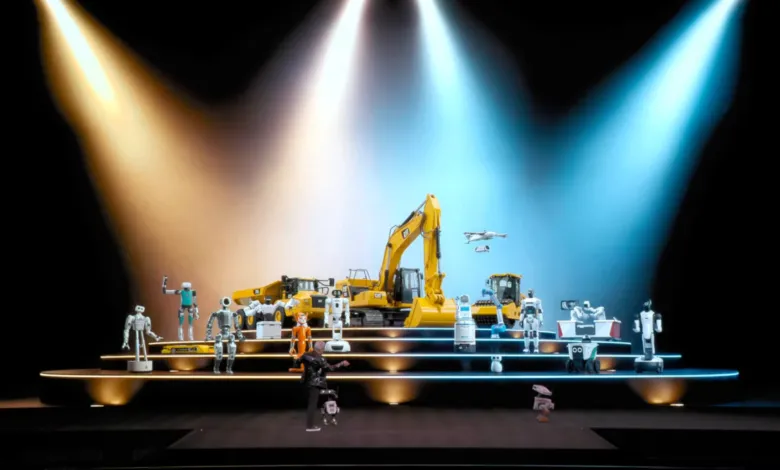
A major theme was the move toward more generalized robotic platforms. Instead of single-purpose machines, many prototypes showcased adaptable systems with multi-functional arms and advanced computer vision. This flexibility is key for economic viability, allowing one machine to be reprogrammed for various duties in a warehouse or factory. The underlying AI enables these robots to understand unstructured environments, identify a wide array of objects, and perform delicate manipulations without constant human guidance. This leap in dexterity and environmental awareness is what separates the current generation from its predecessors.
The integration of AI also brings a new layer of safety and problem-solving to physical machines. Systems on display could dynamically assess risk, adjust their grip strength for fragile items, and even collaborate with each other wirelessly to complete complex tasks. In industrial settings, this means robots can work alongside humans more safely, responding to unexpected changes on the fly. For consumer products, it translates to devices that are more intuitive and less prone to errors, like a lawnmower that can distinguish between a weed and a prized flowerbed.
Of course, this rapid advancement prompts important discussions about the future of work, safety regulations, and the ethical deployment of autonomous systems. The technology demonstrated is incredibly promising, but its integration into society will require careful thought and robust frameworks. The excitement at CES was palpable, but it was matched by serious conversations among attendees about responsible development and the need for these technologies to augment human capability, not simply replace it.
The 2026 event has firmly established that the next frontier for artificial intelligence is the tangible world around us. The transition from software to hardware, from bits to atoms, is now fully underway. The companies leading this charge are betting that the public is ready to welcome intelligent machines not just as tools on their phones, but as active participants in their homes, workplaces, and daily lives.
(Source: TechCrunch)