NVIDIA Reveals DLSS 4.5, 6x Frame Generation, and 240 Hz Mode
▼ Summary
– NVIDIA’s Dynamic Multi FrameGen is exclusively available for the RTX 50-series and will not be offered on the RTX 40-series.
– The author criticizes this as a deliberate and absolute market segmentation strategy by NVIDIA.
– The text questions the technical difficulty and hardware requirements for a feature like 4X frame generation.
– It speculates that Intel could potentially offer a similar 4X frame generation feature via its iGPU to complement other brand’s GPUs.
– This hypothetical Intel feature might appeal to users prioritizing smooth framerates in single-player games over added latency.
NVIDIA’s latest announcements have drawn significant attention, particularly the revelation that its new Dynamic Multi Frame Generation technology will be exclusive to the upcoming RTX 50-series graphics cards. This strategic decision represents a clear and definitive approach to market segmentation. The company is not leaving any room for speculation or future updates for current-generation hardware. The message is straightforward: this advanced feature is for the next generation only, with no planned version, even a limited one, for the RTX 40-series.
This move effectively cuts off any potential for the technology to trickle down, ensuring a compelling reason for enthusiasts to upgrade when the new hardware arrives. It’s a firm stance that prioritizes driving adoption of the latest architecture.
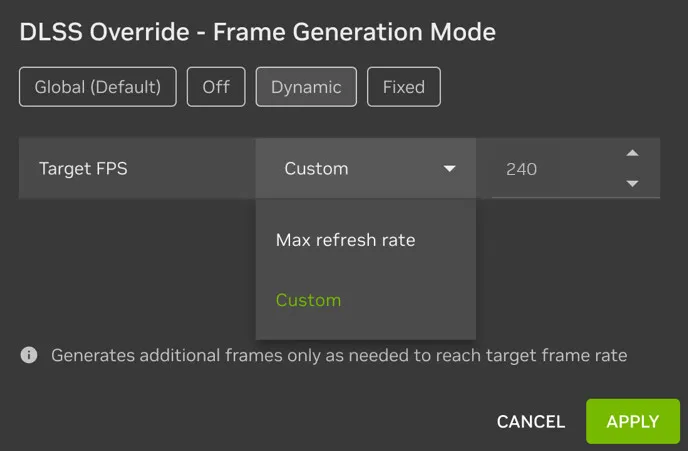
The conversation around this technology naturally extends to its capabilities. A key question involves the mechanics of “dynamic” frame generation itself. The core concept seems to be giving users direct control, allowing them to specify a target frame rate, essentially telling the system, “I want X frames, do not exceed X frames.” This would provide a more tailored experience compared to simply generating as many frames as possible.
Another intriguing topic is the potential for 4X frame generation and whether it demands specialized hardware. This raises an interesting hypothetical scenario involving competitors. For instance, some integrated graphics solutions, like those found in Intel ARC processors, possess dedicated hardware for certain video processing tasks. One wonders if this could be leveraged in a hybrid setup.
Imagine a user with a current-generation NVIDIA or AMD GPU, like an RTX 3070. Could Intel’s integrated graphics be utilized to handle a 3X or 4X frame generation pass, working in tandem with the discrete GPU’s rendering and upscaling? This would create a unique value proposition for choosing an Intel CPU when paired with a non-Intel graphics card, offering an additional performance-enhancing feature.
The quality of such a solution would likely sit somewhere between software-based frame generation tools and the more integrated solutions from GPU makers. While it might introduce some additional input latency, a common trade-off with frame generation, many gamers, particularly those focused on single-player experiences, prioritize a smooth, high frame rate over ultra-low latency. For them, this kind of hybrid approach could be a very attractive option, blending hardware from different manufacturers to achieve a better gaming experience.
(Source: TECH POWERUP)