Google CEO Says AI Mode Can Replace Classic Search
▼ Summary
– Google CEO Sundar Pichai confirmed that sources and links will always be part of AI Search, but noted the transition from classic search to AI Mode is a gradual “continuum,” not an abrupt change.
– Pichai stated that Google’s internal metrics show positive user response to AI Mode, despite public concerns about AI’s environmental impact and negative sentiment.
– The article highlights that visibility in AI Mode does not equal referral traffic, diminishing the economic value of clicks for publishers and SEOs.
– Pichai indicated Google is comfortable with a future blend of subscriptions and advertising to monetize AI-driven search, moving beyond the traditional ad model.
– He compared AI’s impact to the spreadsheet, claiming it will boost productivity and leisure time, while sidestepping concerns about damage to the web ecosystem from reduced referrals.
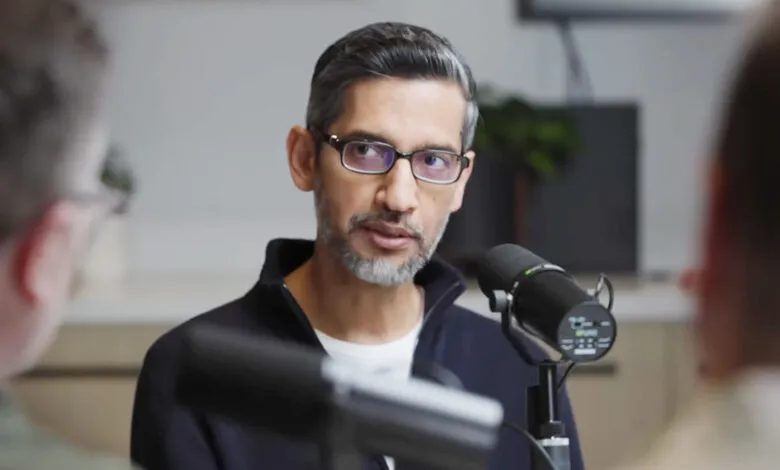
In a candid interview on the New York Times Hard Fork podcast, Google CEO Sundar Pichai confirmed that while sources and links will remain part of the search experience, the company is preparing for a future where AI Mode gradually replaces the classic ten blue links. He described the shift as a “continuum,” not an abrupt change, and suggested that Google’s revenue model will evolve into a blend of subscriptions and advertising.
When asked whether Google would eventually “rip the band-aid off” and make AI Mode the default, Pichai emphasized a methodical approach. “I think it’s important to bring users along the journey,” he said, noting that internal metrics show people are responding positively to the new interface. He acknowledged that users still want to connect with web content, but he also made clear that links and sources will not always be a guaranteed feature of search results.
This raises a critical issue for publishers and SEOs. While Pichai framed visibility through AI Mode as a benefit, the reality is that visibility is not the same as referral traffic. As AI-generated answers grow more seamless, the economic value of a click diminishes. This aligns with the concept of Google Zero, the calculation that referral traffic from Google is trending toward zero, forcing businesses to monetize and promote as if clicks will eventually disappear entirely.
Pichai’s confidence in user satisfaction with AI Mode is notable, given growing public concern over AI’s environmental impact. The interviewer pointed out that college graduates have booed at the mere mention of AI. Yet Pichai insisted that long-term metrics confirm positive user response, sidestepping questions about data center water usage and energy costs that ripple through the broader economy.
The interview also touched on the future of Google’s advertising model. When asked if he is comfortable with users abandoning classic search entirely, Pichai replied that the economic value of search is tied to the total value delivered to users. He indicated that subscription and advertising models will coexist, marking one of the first times a Google executive has explicitly floated a blended revenue approach. “I feel comfortable between a combination of subscription and ads that the right models will continue to be there,” he said.
Pressed on the negative economic implications for publishers, Pichai compared AI’s impact to the introduction of the spreadsheet, arguing that it will boost productivity and free up time for leisure. He predicted that doctors will spend more time with patients and coding will become easier. But these analogies gloss over the damage to the web ecosystem caused by non-referring visibility, where attribution exists but clicks and revenue do not.
Pichai’s message is clear: Google is preparing for a search landscape where AI Mode dominates, and the web ecosystem must adapt. For publishers and SEOs, the takeaway is sobering. As one interviewer noted, he hasn’t performed a traditional Google search in a year. Pichai’s response? He’s fine with that.
(Source: Search Engine Journal)