Google: Use AI to Help Your Brand Stand Out, Not Fit In
▼ Summary
– Google’s Ads Liaison raised the concern that AI tools could lead to a “sea of sameness” in advertising.
– Google positions its AI creative tools as a way to expand creative variation and scale audience-specific messaging.
– Google emphasizes an “advertiser-in-the-loop” approach, offering controls like text guidelines and AI briefs to steer AI-generated assets.
– The company encourages creative breadth, such as using multiple responsive search ads and landing pages, to optimize across signals and audiences.
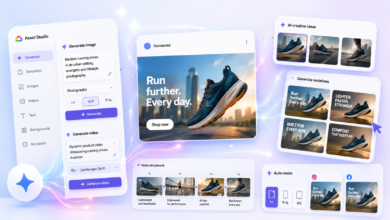
– Veo integrations in Google Ads allow advertisers to generate short-form videos from images, reducing production barriers for smaller brands.
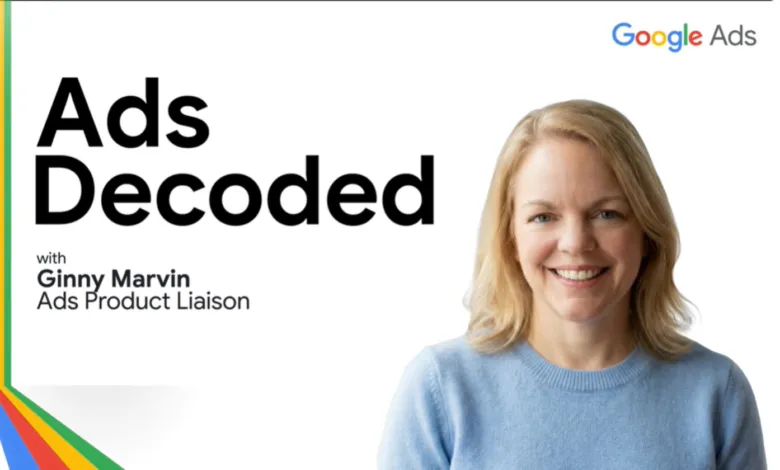
One of the more revealing segments in Google’s recent Ads Decoded podcast tackled a growing fear among advertisers: as everyone gains access to the same AI tools, will all ads eventually start to look and feel the same?
Ginny Marvin, Google’s Ads Liaison, posed that question directly, asking whether the industry was drifting toward a “sea of sameness.” The response from Charles Boyd, Google’s Group Product Manager for Creative, provided a clearer picture of how Google is positioning AI creative tools inside Google Ads,and where it believes advertiser differentiation still lives.
Google Says AI Creative Should Expand Creative Variation
Throughout the episode, Google consistently framed its AI creative tools as systems built to expand variation, speed up testing, and tailor messaging across different audiences and placements. The company repeatedly emphasized that these tools depend on advertiser strategy and direction.
Boyd described the value of generative tools as “the ability to quickly create different creative styles and iterations at scale.” Much of the industry chatter around AI advertising has focused on fears of generic outputs and a loss of uniqueness. Google appears to be taking the opposite stance. The company seems to believe that advertisers with a strong grasp of their audience, messaging, and brand voice can scale those strengths more efficiently using AI-assisted workflows.
Instead, Google is positioning AI as infrastructure,helping advertisers produce more combinations, more testing opportunities, and more audience-specific variations. That distinction sheds light on how Google is approaching AI creative tools overall.
Google Wants Advertisers Steering AI Creative
Another phrase Google returned to repeatedly was “advertiser-in-the-loop.” The broader point was that automation should still include advertiser guidance and oversight. Google highlighted several tools designed to give advertisers more control over how AI-generated assets are created:
- Text guidelinesBoyd explained that advertisers can now provide specific text instructions directly inside campaigns. For example, a brand could tell Google not to describe products using certain language or positioning. “Google literally will check every asset that gets created against each one of the guidelines that you provide,” he said. According to Google, advertisers can specify up to 40 text guidelines within a single campaign.That marks a noticeable shift from earlier automation features, which often felt much more rigid from a brand and messaging perspective. The addition of text guidelines, AI briefs, and expanded creative controls suggests Google is trying to give advertisers more influence over how AI-generated assets are created and adapted across campaigns.Google Is Increasingly Focused On Creative BreadthAnother key takeaway from the episode was how often Google discussed creative diversity and variation. The conversation repeatedly touched on:
- Multiple responsive search adsAt one point, Boyd encouraged advertisers to consider having multiple responsive search ads with different landing pages inside the same ad group. That guidance would have sounded unusual to many PPC practitioners just a few years ago. Google’s reasoning is that systems like AI Max can dynamically combine headlines, descriptions, landing pages, audience intent signals, and search context to better align messaging with different user journeys.This feels connected to a larger shift happening across Google Ads. Campaign optimization increasingly revolves around combinations of signals rather than isolated assets or keywords. Sarah Hathiramani, Director of Product Management for YouTube Ads, reinforced this idea when discussing Demand Gen and YouTube creative: “There may be different audiences that you’re going after, and those audiences are going to resonate with very different creative messages.” That point becomes more important as Google’s systems increasingly personalize creative combinations dynamically.Veo Signals Where Google Thinks Creative Production Is GoingThe episode also offered another look at how Google sees AI changing creative production itself. Hathiramani discussed Veo integrations inside Google Ads and Asset Studio. According to Google, advertisers can upload up to three images and generate multiple short-form video variations automatically. Google positioned this as a way to reduce production barriers for advertisers that may not have dedicated video resources: “Instead of asking every advertiser to become an in-house video production company, we’re able to use Veo to leverage automation while maintaining transparency and control.”That could be particularly meaningful for smaller advertisers or brands that historically relied heavily on static image creative. It also reflects a larger trend happening across Google Ads. The company increasingly wants advertisers participating across more inventory types, placements, formats, and surfaces. AI-generated creative helps reduce some of the operational burden required to do that.At the same time, Google repeatedly stressed that advertisers still need strong inputs. Marvin specifically noted that brands with a clear voice and point of view are likely to benefit most from these tools.What This Means For AdvertisersOne of the most noticeable themes throughout the episode was how often Google emphasized creative breadth. Multiple landing pages, multiple responsive search ads, audience-specific messaging, different aspect ratios, and structured asset testing all came up repeatedly across Search, Performance Max, Demand Gen, and YouTube. That guidance reflects how Google’s systems increasingly optimize around combinations of assets, intent signals, placements, and audiences rather than isolated ads or keywords.For advertisers, that may require a shift away from building a small set of highly controlled assets toward developing broader creative coverage across different audience stages and formats.Looking AheadThis episode offered a clearer look at how Google is talking about AI creative internally ahead of Google Marketing Live. The discussion repeatedly centered around advertiser controls, creative testing, audience-specific messaging, and broader asset variation across campaigns. That may be one of the more important signals for advertisers paying attention to where Google Ads is heading next. Google appears to be encouraging advertisers to build more adaptable creative systems rather than relying on a small set of static assets.