Google’s Android 17 to Boost Controller Gaming Experience
▼ Summary
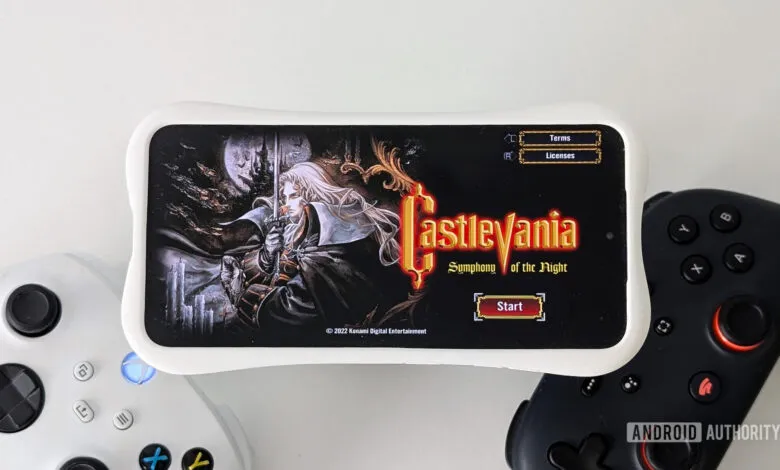
– Most Android games use touchscreen controls, but controller-compatible games are increasing due to new device form factors and cloud gaming.
– Android currently maps controller inputs using predefined configurations for popular hardware, relying on vendor and product IDs for compatibility.
– Many users need button remapping for accessibility, ergonomics, competition, or muscle memory, but Android lacks native support, forcing reliance on third-party tools.
– Google is developing native controller remapping in Android 17, evidenced by a new permission and a dedicated game controller menu in Settings.
– The feature may use a “virtual gamepad” to intercept and remap inputs, potentially allowing touch controls to be mapped to physical controllers for unsupported games.
Google is reportedly developing native controller remapping capabilities for Android 17, a move that could significantly enhance the gaming experience for users who prefer physical controls over touchscreens. While touch controls dominate mobile gaming, the growing popularity of cloud gaming and Android’s expansion into new device categories has increased demand for better controller support. This upcoming system-level feature would allow players to customize button layouts directly within the operating system, eliminating the need for unreliable third-party workarounds.
When you connect a game controller to an Android device, the system identifies it through vendor and product IDs, applying predefined configuration files to translate button presses into in-game actions. Android currently maintains configurations only for widely used controllers like official Xbox pads, though many third-party devices achieve compatibility by mimicking these popular schemes. While this approach ensures broad out-of-the-box support, it offers no built-in way for users to reassign buttons to suit their preferences.
The inability to remap controls natively presents challenges for various gamers. Individuals with disabilities might need to reposition frequently used buttons for easier access. Others could seek to reduce hand strain by shifting intensive actions to more comfortable inputs. Competitive players often optimize layouts for faster response times, while retro gaming enthusiasts may wish to replicate classic control schemes. Presently, only certain emulators and a handful of Android games include built-in remapping options, leaving most players dependent on external tools that use accessibility services or ADB commands, methods that are often inconsistent and add performance overhead.
Evidence from the latest Android Canary build indicates Google is addressing this gap. A new permission, `android.permission.CONTROLLER_REMAPPING`, protected by a feature flag tied to input hardware, has been discovered. This permission is restricted to platform-signed applications, preventing third-party apps from altering controller mappings system-wide. Additionally, code references point to a new game controller menu in Settings, likely intended as a central management interface for connected devices and button customization.
Further investigation reveals an intriguing “virtual gamepad” feature, which functions as a software-based controller representation. This system can register a virtual input device using standard hardware identifiers, potentially allowing it to emulate a physical controller. The virtual gamepad supports a comprehensive range of inputs, including face buttons, triggers, bumpers, analog sticks with clickable buttons, and directional pads. By intercepting original button presses and outputting remapped commands, this virtual device could enable seamless customization without game-specific support.
This technology might also allow touchscreen controls to be mapped to physical controller inputs, greatly benefiting the vast number of Android games that lack native controller compatibility. Such functionality would be especially valuable on emerging Android-powered PCs, where controller use is more ergonomic than touch input. Google has prior experience with similar input-mapping systems in Chrome OS and Google Play Games for PC, suggesting the company is well-positioned to implement these improvements.
With Android 17’s release still months away, Google has ample time to refine these features. The introduction of basic button remapping alone would mark a substantial upgrade for the Android gaming community. If the final implementation includes a dedicated controller settings menu and touch-to-controller mapping, it could fundamentally improve how users interact with games on the platform.
(Source: Android Authority)