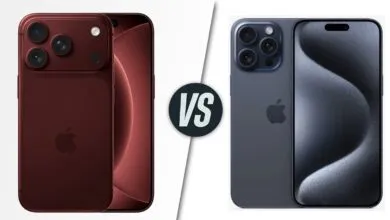
Apple’s iPhone 17 Pro Fix: Why ScratchGate Matters

▼ Summary
– In 2016, Apple was accused of throttling older iPhone models like the iPhone 6 and 6S through iOS updates to prevent shutdowns caused by weak batteries.
– The iPhone 6 and 6 Plus also suffered from “Touch Disease,” where unreinforced touch controller chips cracked, causing screen flickering or unresponsiveness.
– iPhone 17 Pro and Pro Max demo units in Apple Stores appeared scratched, but Apple claimed it was material transfer from worn MagSafe display stands, not actual scratches.
– Apple is addressing the issue by refitting stands with protective silicone rings and updating cleaning procedures to prevent residue buildup on demo phones.
– The scratchgate controversy may distract from concerns about the iPhone 17’s AI capabilities compared to competitors and affect trade-in decisions due to the switch from titanium to aluminum builds.
Apple has faced several product controversies over the years, with the latest dubbed #scratchgate involving the iPhone 17 Pro and Pro Max. This issue centers on dark-colored demo units in Apple Stores appearing to show scratches, raising concerns among potential buyers about the durability of the new aluminum-clad models.
Looking back, Apple has navigated similar challenges before. In 2016, the company was widely criticized for allegedly slowing down older iPhones like the iPhone 6 and 6S through iOS updates, a move they claimed was meant to prevent unexpected shutdowns in devices with aging batteries. Around the same time, the iPhone 6 and 6 Plus were affected by “Touch Disease,” where certain integrated circuit chips on the logic board, lacking sufficient solder reinforcement, tended to crack. This led to symptoms ranging from a flickering gray bar at the top of the display to complete touchscreen failure.
The recent #scratchgate situation emerged when visitors to Apple Stores noticed what looked like scratches on the backs of iPhone 17 Pro and Pro Max display models. Given that these demo phones are handled frequently, some expected wear is normal, but the visible marks seemed excessive. Apple responded with a statement that reminded many of past public relations episodes, such as the famous “you’re holding it wrong” comment from the antennagate era.
According to Apple, the marks were not actual scratches. Instead, the company explained that residue from the MagSafe display stands was transferring onto the phones’ surfaces. These stands, known as MagSafe risers, had apparently worn down over time, leaving behind material that closely resembled scratches. To prevent customer concern over what appeared to be cosmetic damage, Apple has taken several steps to address the issue.
First, the charging stands used in Apple Stores are being refitted with softer, protective materials. This reduces direct contact between the phone’s aluminum casing and the metal parts of the stand. Additionally, silicone rings are being added to create a buffer, minimizing the risk of marks or residue transfer when employees or customers remove and replace the devices.
Apple has also revised its maintenance and cleaning protocols for in-store demo units. Staff are now instructed to clean the iPhones more thoroughly using a specialized solution. This cleaner includes a salt-based ingredient designed to effectively remove any dirt or residue left by the MagSafe stands. With these adjustments, Apple aims to ensure that iPhone 17 Pro and Pro Max demo models look pristine, just as intended when viewed by shoppers.
Public reaction to #scratchgate has been mixed. In one poll, nearly half of respondents said the issue would make them hesitate to buy a new iPhone, citing concerns about an expensive device scratching easily. About 18% expressed trust in Apple’s explanation and said it wouldn’t affect their purchase decision, while roughly a third indicated they weren’t planning to upgrade anyway.
The appearance of the iPhone 17 Pro and Pro Max is especially significant this year because some consumers may be considering trading in their previous titanium models, like the iPhone 16 Pro or 16 Pro Max, for the new aluminum versions. If the aluminum finish appears prone to scratches, these potential buyers might reconsider their upgrade plans.
Some industry observers suggest that #scratchgate may serve to divert attention from other, more substantive criticisms of the iPhone 17 series. For example, questions remain about how Apple’s on-device AI capabilities measure up against competitors like Google’s Pixel and Samsung’s Galaxy phones. By focusing on a surface-level, and quickly resolved, issue, Apple may be steering conversation away from these performance comparisons.
In other news, an upcoming book titled “Iconic Phones: Revolution at Your Fingertips” is set to release in the coming months. Marketed as a must-have for technology enthusiasts, this coffee table book explores the landmark devices that defined the 21st-century tech revolution. Readers interested in early bird discounts can find more information through related promotional links.
Separately, Visible is offering 50% off its Visible+ Pro Annual Plan, available to customers who bring their own number and any iPhone. Note that commissions may be earned through certain purchases made via promotional offers.
(Source: Phone Arena)