Scale PPC with AI: Automation Scripts, Data & Custom Tools

▼ Summary
– PPC advertising has evolved significantly over the past 15 years, with automation and AI now essential for efficiency and scalability.
– Cursor is an AI-powered coding platform that enables PPC specialists to automate scripts, analyze data, and build custom tools without requiring extensive technical knowledge.
– The platform allows for automation of common PPC tasks like data collection, bid optimization, and negative keyword management, with high accuracy and speed compared to tools like ChatGPT.
– Cursor supports integration with external data sources and APIs, enabling advanced analysis such as combining client data with external databases for personalized marketing campaigns.
– Adopting AI tools like Cursor helps PPC specialists work more efficiently, focus on strategic tasks, and stay relevant in an increasingly complex advertising landscape.
Pay-per-click advertising continues to evolve at a rapid pace, demanding smarter automation and scalable solutions to stay competitive. Gone are the days of manual bid adjustments and tedious keyword-level optimizations. The integration of artificial intelligence has fundamentally reshaped how specialists manage campaigns, enabling greater efficiency and unlocking new strategic possibilities.
One platform gaining attention is Cursor, which blends AI, automation, and scripting into a unified environment. Unlike traditional PPC tools designed for specific functions, Cursor offers a flexible, code-friendly workspace that doesn’t require deep technical expertise. Its intuitive interface allows marketers to develop custom solutions while maintaining full control over their advertising efforts.
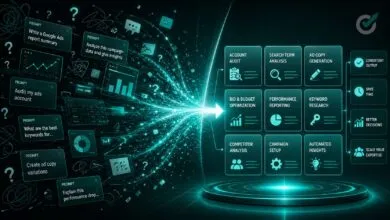
A standout feature is its script automation capability. Users can generate accurate, functional scripts for routine tasks like pulling Google Ads data, refining bids, or updating negative keyword lists. Compared to earlier AI tools that often produced flawed code, Cursor delivers reliable outputs quickly and integrates smoothly with platforms like GitHub and the Google Ads API.
Another powerful application is data integration and analysis. Cursor enables users to merge external data sources, such as weather APIs or inventory databases, with campaign metrics. For instance, an herbal products site combined customer purchase history with recipe data to create personalized email campaigns. Subscribers received tailored suggestions like, “You bought basil, try making pesto with this recipe,” accompanied by a special discount.
Cursor also supports the creation of custom tools and dashboards. Marketers have built real-time multi-client reporting systems and image enhancement utilities for shopping feeds. By connecting with leading language models including Gemini, GPT-5, and Claude, the platform supports a wide range of bespoke applications that address unique business needs.
Adopting AI tools like Cursor allows PPC professionals to work more efficiently, reduce time spent on repetitive tasks, and focus on high-level strategy. However, human oversight remains critical. When generating scripts, it’s important to guide the AI using official documentation to minimize errors.
For those new to Cursor, starting with a clear plan is essential. Avoid diving into complex builds without first familiarizing yourself with the interface. Taking incremental steps, rather than attempting advanced projects immediately, increases the likelihood of success. Many in the digital marketing community are already designing and even selling custom tools developed through platforms like Cursor.
Now is the moment to explore these technologies. Allocating time to experiment with AI-driven automation can lead to significant improvements in campaign performance and workflow efficiency. Those who delay may find themselves falling behind in an increasingly automated landscape.
(Source: Search Engine Land)