Google Pixel 10 Series Debuts with Advanced Tensor G5 Chip & AI Upgrades
▼ Summary
– Google has shifted its 2025 product timeline, releasing Android 16 earlier in May and moving its hardware launch ahead of the traditional October window.
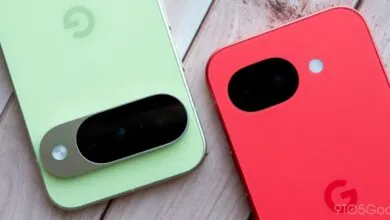
– The new Pixel 10 phones retain the same external design as last year’s models, with the only notable change being a larger camera window on the base model to fit an additional sensor.
– Internally, the Pixel 10 series features a more powerful Tensor chip, expanded AI capabilities, and the removal of the SIM card slot.
– The phones use a 100% recycled aluminum frame, Gorilla Glass Victus 2 on both sides, and are IP68 rated, but lack premium materials like titanium or ceramic found in competitors.
– All Pixel 10 models support Qi 2 wireless charging, branded as “Pixelsnap,” with the Pro XL model capable of 25W charging while the others max out at 15W.
The tech world has taken notice as Google accelerates its release schedule, with the Google Pixel 10 series arriving earlier than expected alongside Android 16. This strategic shift aligns software and hardware launches more closely, offering consumers a unified ecosystem experience right out of the gate. While the external design remains largely unchanged from its predecessor, the internal upgrades, including the powerful Tensor G5 chip and expanded AI capabilities, signal a significant leap in performance and functionality.
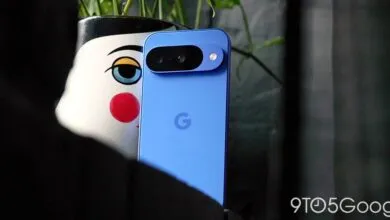
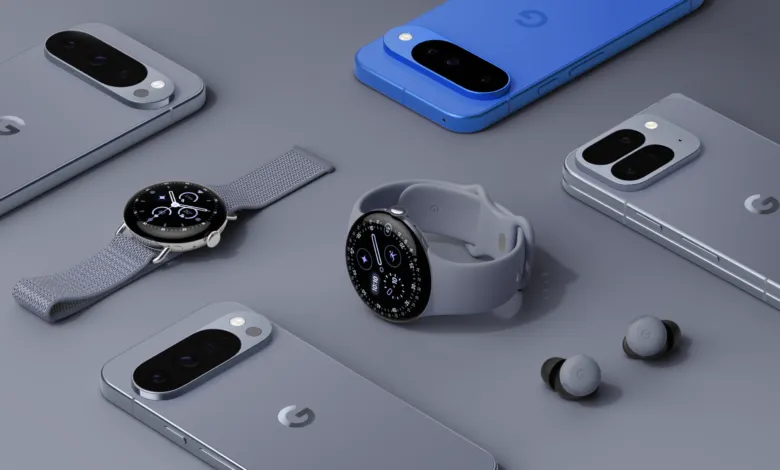
Visually, the Pixel 10 lineup maintains the aesthetic introduced last year, with only subtle refinements. The standard Pixel 10 now features a larger camera housing to accommodate an additional sensor, while the Pro and Pro Fold models continue with their established form factors. All three devices utilize fully recycled aluminum frames rather than premium materials like titanium, with matte and glossy finishes distinguishing the standard and Pro variants. Durability isn’t compromised, thanks to Gorilla Glass Victus 2 on both front and back panels and IP68 certification for dust and water resistance.
Display technology sees meaningful differentiation across the models. Both the base Pixel 10 and Pixel 10 Pro sport 6.3-inch OLED screens, though the Pro version benefits from a higher-resolution LTPO panel capable of dynamic refresh rate adjustments for improved battery efficiency. The Pixel 10 Pro XL expands further with a 6.8-inch LTPO display, catering to users who prioritize immersive media consumption. A standout feature across the series is full support for the Qi 2 wireless charging standard, rebranded by Google as Pixelsnap. This enables compatibility with a range of magnetic accessories and offers 15W charging on the Pixel 10 and 10 Pro, while the Pro XL model supports faster 25W wireless charging.
(Source: Ars Technica)