Scientists Successfully Run Two Genetic Codes Simultaneously
▼ Summary
– The genetic code is nearly universal across life on Earth, making it difficult to alter because cellular processes depend heavily on it.
– Previous attempts to modify the code involved adding new amino acids but required laborious re-engineering of entire bacterial genomes.
– Researchers have developed a method to operate two separate genetic codes simultaneously without needing to compensate for changes in existing proteins.
– This new approach avoids the need to re-engineer every gene in a bacterial genome, offering a more efficient path for synthetic biology.
– Although not yet tested in actual cells, this creative solution has the potential to accelerate progress in synthetic biology work.
Scientists have achieved a significant breakthrough in synthetic biology by successfully running two genetic codes simultaneously. This development offers a new pathway for manipulating cellular machinery without the extensive re-engineering previously required to alter the fundamental language of life.
The genetic code serves as the universal blueprint that all known life forms use to translate DNA information into specific protein sequences. Because this system is so deeply embedded in the cellular infrastructure, changing it has historically been incredibly difficult. Most organisms rely on the same code, which suggests it was established in the last common ancestor of all life. Altering such a foundational mechanism risks disrupting countless processes within every cell, making traditional modifications a labor-intensive slog.
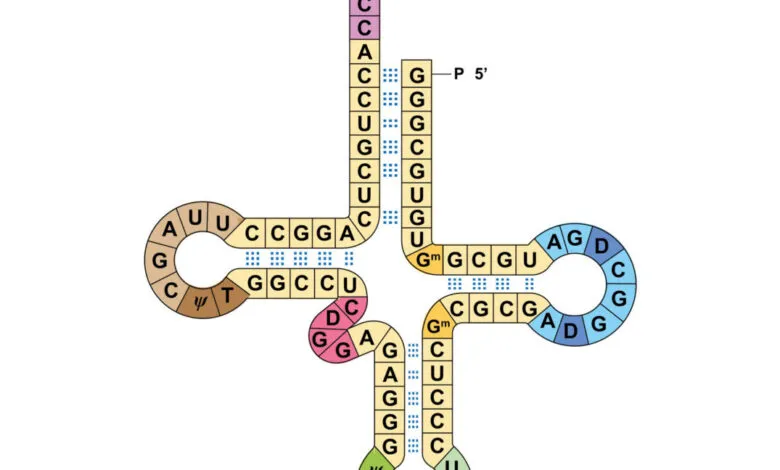
Previous attempts to expand the genetic alphabet involved adding new amino acids to bacterial cells or creating proteins with fewer than usual amino acids. These efforts often necessitated re-engineering every single gene in a bacterial genome to compensate for the changes. The new approach bypasses this complexity by allowing two distinct codes to operate in parallel, eliminating the need to adjust the existing code that governs all natural proteins. While this method has not yet been tested in a living cell and may present challenges there, it represents a creative solution that could significantly accelerate research in synthetic biology.
Understanding the Translation Process
To grasp the significance of this dual-code system, one must look at the basic mechanics of gene expression. In the genome, most genes contain instructions for building proteins through the linear arrangement of DNA bases. Each group of three bases, known as a codon, corresponds to a specific amino acid, with three exceptions that signal the termination of the protein chain.
This translation process is not direct. First, DNA is transcribed into messenger RNA (mRNA). Then, a molecular machine composed of proteins and RNA called a ribosome attaches to the mRNA. The ribosome reads the mRNA sequence and assembles the corresponding amino acids one by one, forming the final protein structure. By managing two separate coding systems within this framework, researchers can introduce novel biological functions without overwriting the essential commands that keep cells alive.
(Source: Ars Technica)