SpaceX Starship V3 First Flight Mostly Successful, Still in Development
▼ Summary
– SpaceX launched the first test flight of its upgraded Starship V3 rocket and Super Heavy booster from South Texas on Friday, with mostly positive results.
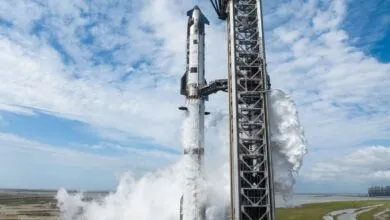
– The 408-foot-tall rocket, the largest ever built, climbed away from the launch tower and headed east over the Gulf of Mexico.
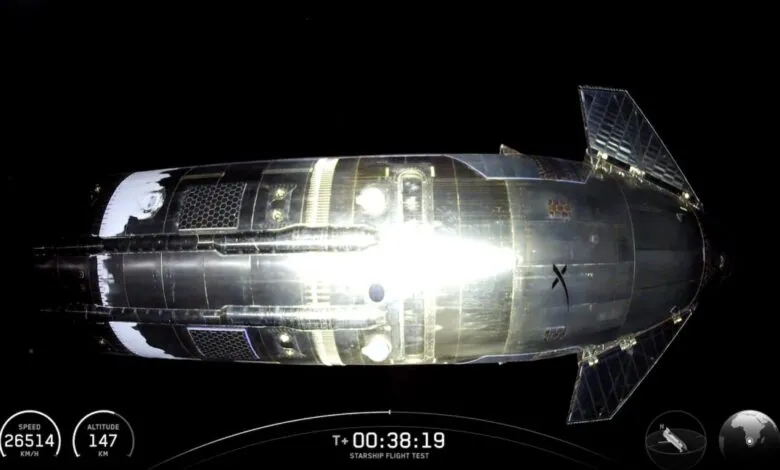
– Starship splashed down on target in the Indian Ocean about an hour later, performing better on its debut than the first flights of Starship V1 and V2.
– SpaceX officials, including Elon Musk and Gwynne Shotwell, congratulated the team, and NASA Administrator Jared Isaacman praised the launch.
– The flight occurred after a seven-month gap, the longest between Starship flights, used to complete a second launch pad and conduct ground testing.
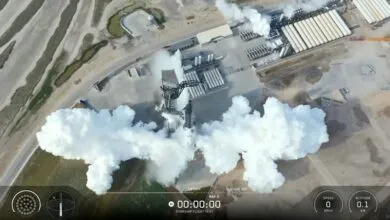
SpaceX successfully launched the first test flight of its upgraded Starship V3 rocket on Friday, marking a significant milestone for the company’s ambitious space program. The mission, which lifted off from SpaceX’s Starbase facility in South Texas at 5:30 pm CDT, delivered mostly positive results despite the vehicle still being under active development.
The mega-rocket, standing 408 feet tall and powered by 33 methane-fueled Raptor engines, cleared the launch tower smoothly and turned eastward over the Gulf of Mexico. Just over an hour later, the Starship upper stage splashed down on target in the Indian Ocean, completing its maiden voyage. This performance was a notable improvement over the first flights of Starship V1 in 2023 and V2 in 2025, both of which broke apart during launch.
SpaceX leadership expressed strong satisfaction with the outcome. Founder and CEO Elon Musk celebrated on X, writing, “Congratulations SpaceX team on an epic first Starship V3 launch & landing! You scored a goal for humanity.” Gwynne Shotwell, the company’s president, echoed the sentiment: “Congrats and a huge thank you to the SpaceX team that always delivers. This was an incredible first flight of a brand new vehicle. Our collective future flying amongst the stars has become so much closer.”
NASA, which depends on SpaceX to deliver a human-rated Starship as the Artemis Moon lander, had a close eye on the test. NASA Administrator Jared Isaacman traveled to Texas to watch the launch in person and called it a “hell of a V3 Starship launch.”
This flight, the 12th overall in the Starship program, came after the longest gap between launches since the first full-scale test in April 2023. More than seven months had passed since the previous Starship launch in October 2025. SpaceX used that downtime to complete construction and activation of a second launch pad at Starbase, while engineers guided Starship V3 through extensive ground testing, which encountered its own series of setbacks.
(Source: Ars Technica)