Texas AG sues Meta, alleging WhatsApp lacks true encryption
▼ Summary
– Texas Attorney General has sued Meta, alleging WhatsApp does not provide the end-to-end encryption it has claimed since at least 2016.
– Meta has stated that WhatsApp uses the Signal protocol for encryption, which third-party experts have confirmed works as promised.
– The lawsuit claims Meta can read unencrypted WhatsApp messages, contradicting CEO Mark Zuckerberg’s 2018 Senate testimony that the company cannot see message content.
– Texas attorneys argue that Meta deceived users into believing their communications were private and inaccessible to the company.
– Meta called the allegations “baseless” and plans to fight the lawsuit, citing a Bloomberg article about a closed Commerce Department investigation as the sole evidence.
The Texas Attorney General has filed a lawsuit against Meta, alleging that WhatsApp’s end-to-end encryption is not as secure as the company has publicly maintained. The messaging platform, which serves over 3 billion users worldwide, has been at the center of this legal dispute over the true nature of its privacy protections.
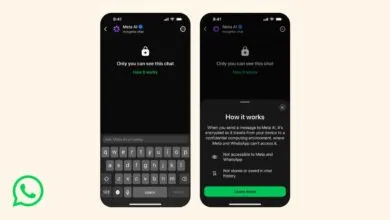
Since at least 2016, Meta,then operating as Facebook,has consistently promoted WhatsApp as a service with robust end-to-end encryption. This means messages are scrambled on the sender’s device and can only be decoded by the intended recipient. In theory, not even the platform itself should be able to read the contents. The technology behind this claim is the Signal protocol, an open-source encryption framework that independent experts have repeatedly verified as trustworthy.
During sworn testimony before two U. S. Senate committees in 2018, Mark Zuckerberg stated plainly that Meta does “not see any of the content in WhatsApp; it is fully encrypted.” He further assured lawmakers that “Facebook systems do not see the content of messages being transferred over WhatsApp.”
However, the Texas complaint filed Thursday argues that these assurances are misleading. According to the state’s attorneys, Meta can and does access the unencrypted contents of WhatsApp messages. They accuse the company of deliberately deceiving users about the privacy of their communications. The lawsuit seeks to “prevent WhatsApp and Meta from continuing to willfully deceive [Texans] by misrepresenting that their private communications were just that,private and inaccessible even to WhatsApp and Meta,when, in fact, WhatsApp and Meta have access to all WhatsApp users’ communications in their entirety.”
“The gravity of Meta’s and WhatsApp’s violation of users’ privacy and trust cannot be overstated,” the attorneys wrote. “All users were entitled to believe their communications were private when WhatsApp and Meta unequivocally and repeatedly promised that no one,not even WhatsApp and Meta,can access their messages.”
Meta has dismissed the lawsuit as “baseless” in an email statement and has vowed to defend itself in court.
The primary evidence cited in the complaint comes from a single Bloomberg article published last month. That report detailed how the U. S. Commerce Department’s Bureau of Industry and Security abruptly ended an investigation into whether Meta could access encrypted WhatsApp messages. The probe was closed shortly after an agency agent sent an email outlining the investigation’s preliminary findings, raising further questions about the company’s encryption practices.
(Source: Ars Technica)