Ex-Xbox Exec: Devs Feared Sony Monopoly
▼ Summary
– Ed Fries, who led the original Xbox launch, reveals that Japanese publishers like Square Enix wanted Sony to have competition but had to avoid overtly supporting the new Xbox.
– Securing the Final Fantasy series as an Xbox exclusive was a missed opportunity, as Square Enix would have lost significant revenue by abandoning PlayStation.
– Companies such as Konami, Capcom, and Tecmo engaged in discussions with Microsoft, with Tecmo releasing Dead or Alive on Xbox as a subtle challenge to Sony’s dominance.
– The Xbox faced an uncertain market in 2001, following recent console failures and Sega’s exit, making Microsoft’s success in gaming unclear.
– Today, Microsoft ports Xbox titles to PlayStation, and its gaming CEO aims to revive the brand by focusing on its core gamer audience.
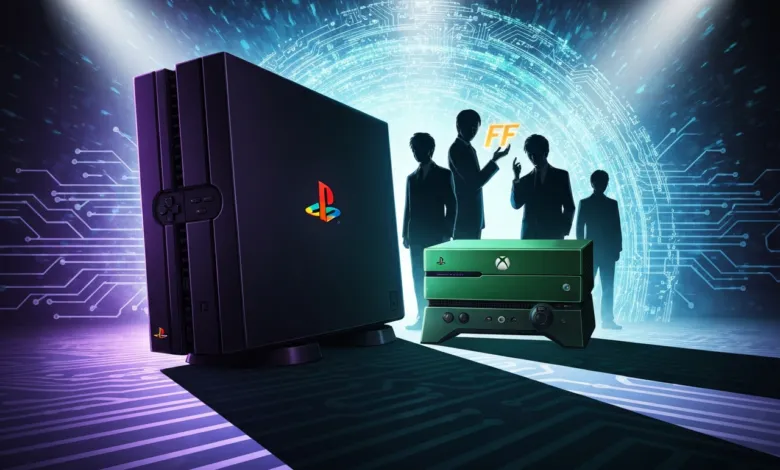
In the early 2000s, the video game industry faced a pivotal moment. With Sega’s exit from the hardware market and the recent failures of platforms like the 3DO, the landscape was dominated by Sony’s PlayStation. When Microsoft entered the fray with the original Xbox in 2001, its success was far from guaranteed. According to former Xbox executive Ed Fries, who led the console’s launch, a complex dynamic unfolded behind the scenes. Major Japanese developers, while wanting a competitive market, were cautious about openly supporting the new challenger for fear of antagonizing the industry leader.
Fries recently shared insights from that era, recalling regular trips to Japan to meet with publishers like Square Enix, Capcom, Konami, and Tecmo. He described a delicate balancing act. These companies fundamentally wanted Sony to face competition, understanding that a monopoly would allow Sony to dictate terms unchecked. However, they could not afford to be overt in their backing of Microsoft’s nascent platform. Negotiations were often difficult, as supporting Xbox too visibly risked damaging crucial relationships with PlayStation.
A prime example was the Final Fantasy franchise, which Fries identified as a major missed opportunity for Xbox exclusivity. Square Enix, the series’ publisher, ultimately decided the financial risk was too great, leaving too much money on the table by abandoning the established PlayStation audience. This illustrated the core tension: developers sought a healthy, competitive market but were constrained by commercial realities.
Some companies, however, found subtle ways to signal their desire for balance. Fries pointed to Tecmo’s decision to bring its Dead or Alive fighting games to Xbox. This move was interpreted as a strategic nudge to Sony, a quiet reminder that developers valued having options. The underlying message was clear, as Fries summarized: without viable competitors, a monopoly can do whatever it wants, a situation detrimental to creative and business partners.
The industry has evolved dramatically since those early days. Today, Microsoft’s strategy often involves bringing its first-party titles, like Sea of Thieves, to PlayStation consoles. This shift reflects a broader model focused on reaching players across platforms. Current Microsoft Gaming CEO Asha Sharma has emphasized a parallel commitment to nurturing the core Xbox ecosystem, aiming to return the brand to prominence by serving its most dedicated fans. The early fears of a Sony monopoly have given way to a more multifaceted and interconnected gaming world, where support is no longer a covert act but a public, multiplatform business decision.
(Source: Insider-gaming.com)