Used EV Demand Rises as Gas Prices Soar
▼ Summary
– iDrive1 Motors in Texas reports a sharp increase in buying inquiries and sales activity for used electric vehicles, with customers trading in gas-guzzlers.
– US sales of used EVs rose 12% in early 2026 compared to the same period in 2025, according to Cox Automotive data.
– Automakers like Honda, Ford, and Stellantis are canceling or scaling back plans for new electric vehicle models.
– The price gap between used electric and gas-powered vehicles is narrowing, with used EVs averaging only $1,300 more.
– An influx of about 200,000 used EVs coming off lease this year is expected to further improve affordability and supply.
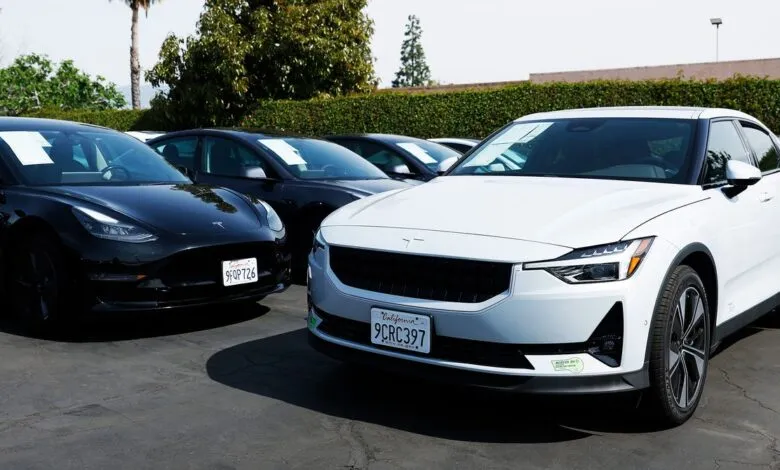
A surge in gasoline prices is driving a significant and measurable shift in consumer behavior, with more Americans now actively considering used electric vehicles as a practical alternative. At iDrive1 Motors in Carrollton, Texas, owner Dink Davis has witnessed a dramatic increase in buyer inquiries. While Texas prices remain below the national extreme, the statewide average has climbed alongside a broader trend, with AAA reporting a more than one-third increase nationally since geopolitical tensions disrupted oil markets. For a dealership specializing in battery-powered cars, this has translated into unprecedented activity. Davis describes the last few weeks as exceptionally busy, noting a recent transaction where a customer swapped a costly diesel Jeep for a pre-owned EV.
This anecdotal evidence is supported by hard data. According to Cox Automotive, U. S. sales of used EVs jumped 12 percent in the first quarter of this year compared to the same period in 2025. While these vehicles still represent a small segment of the overall used car market, the growth trajectory is unmistakable. Research from Edmunds further confirms the trend, showing a measurable uptick in consumer online research for electrified models since the start of the year.
This rising interest arrives during a complex period for the automotive industry. On one hand, the new EV market is cooling. Major automakers have scaled back ambitious electric plans following reduced federal support for both buyers and manufacturers. Recent cancellations include models from Honda, Ford, and Stellantis, contributing to an overall sentiment that the initial wave of electric enthusiasm has tempered. Simultaneously, the used EV market presents a compelling value. The price premium for a pre-owned electric car over a comparable gasoline model has narrowed significantly, with Cox data showing an average difference of just $1,300. This convergence is making the financial proposition far more attractive for cost-conscious shoppers.
The market is poised for further growth. An estimated 200,000 used EVs are coming off lease this year, a figure triple that of 2024, which will increase inventory and potentially apply downward pressure on prices. This influx coincides with a reassuring trend regarding battery longevity, a former major concern for second-hand buyers. Real-world data indicates these high-cost components are degrading much slower than early projections feared, alleviating a key barrier to adoption.
Industry analysts suggest that sustained high fuel prices are necessary to cement this behavioral shift. The longer geopolitical instability affects global oil production and refining, the more likely consumers are to make a permanent switch. Dealers are already anticipating this demand. In Utah, Alex Lawrence of EV Auto reported a clear westward spread of buyer interest from California throughout March, leading him to increase inventory investments. While he notes customers are not yet arriving in droves, the consistent upward trend in inquiries and social media engagement points toward a growing, sustained opportunity in the secondary EV market.
(Source: Wired)