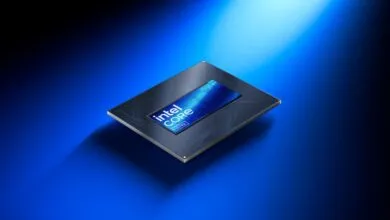
Intel Core Ultra 7 270K Plus Review: A Strong Comeback

▼ Summary
– The Intel Core Ultra 7 270K Plus is a high-value productivity CPU with improved gaming performance, but it uses the soon-to-be-replaced LGA 1851 platform.
– This processor is a refresh that acts more like a reset, offering more cores and higher stock clock speeds for a lower price than its predecessor.
– In performance tests, it delivers exceptional results in applications and a marginal gaming lead over AMD’s Ryzen 7 9700X, though AMD’s X3D chips remain faster.
– A key technical feature is Intel’s iBOT software, which optimizes application code at runtime to improve efficiency and increase instructions per cycle.
– The chip’s enhanced performance also comes from a higher stock die-to-die interconnect frequency and official support for faster 7200 MT/s memory.
Intel’s latest desktop processor, the Core Ultra 7 270K Plus, delivers exceptional productivity performance and a meaningful gaming uplift at a surprisingly aggressive price. This refresh of the Arrow Lake architecture arrives as a compelling value proposition, though it is tempered by its placement on a platform with a limited future.
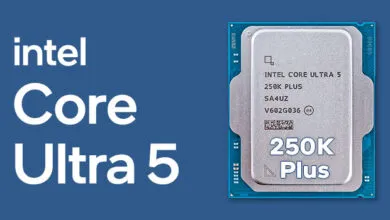
The initial Arrow Lake launch failed to meet expectations, leaving Intel in a distant second place behind AMD in the desktop CPU race. The Core Ultra 200S Plus series, which includes the 270K Plus and 250K Plus, represents a strategic effort to regain momentum before the next-generation Nova Lake architecture arrives. Priced at $300, the Core Ultra 7 270K Plus costs $100 less than the non-Plus 265K model while adding four more E-cores and a significant 900 MHz increase in stock die-to-die interconnect speed. This performance bump no longer requires a premium Z-series motherboard to unlock, reflecting Intel’s adjusted strategy for a competitive market.
In practice, this chip feels less like a simple refresh and more like the processor Arrow Lake should have been from the start. The focus has shifted from pure efficiency to extracting higher performance, aided by Intel’s new Binary Optimization Tool (iBOT). Benchmark results in applications were so strong they demanded verification, solidifying its position as a productivity dominator. For gaming, it secures a marginal lead over AMD’s Ryzen 7 9700X, though AMD’s 3D V-Cache models retain a performance advantage at a higher cost.
The primary caveat is not performance but platform longevity. The chip uses the LGA 1851 socket, which Intel has confirmed will be replaced by the upcoming Nova Lake platform. For buyers seeking maximum value today, the 270K Plus offers a tremendous amount of performance per dollar. For those planning a multi-year upgrade path, the impending platform transition is a key consideration.
Under the hood, the Core Ultra 7 270K Plus shares its core configuration with the flagship Core Ultra 9 285K: eight Lion Cove P-cores and sixteen Skymont E-cores, alongside 76MB of total cache. The main differentiators are slightly lower peak clock speeds and the enhanced interconnect. Intel has also officially raised the supported memory speed to 7200 MT/s for Plus models and hinted at future support for advanced memory modules.
The aggressive pricing is the standout narrative. By offering a higher core-count configuration at a lower price tier, Intel signals a clear intent to compete on value. This is supported by the iBOT software, which introduces a novel approach to performance optimization. Rather than modifying source code, iBOT uses hardware telemetry to identify and correct runtime inefficiencies like cache misses in compiled binaries, effectively increasing instructions per cycle (IPC). Initial game support shows single-digit percentage performance uplifts, demonstrating the tool’s potential.
As an opt-in feature, iBOT represents a cautious but innovative step. Intel emphasizes it operates at the user-application level without direct hardware access, aiming to address concerns about security and competitive fairness. While its current impact is modest, the technology points toward a future where software optimization can continuously extract more performance from existing hardware.
Ultimately, the Core Ultra 7 270K Plus is a powerful and cost-effective processor that makes a strong case for itself in the current market. Its blend of high core counts, improved interconnects, and clever software assistance delivers notable gains. However, its value is inextricably linked to the user’s willingness to invest in a platform nearing the end of its lifecycle.
(Source: Tom’s Hardware UK)