Travis Kalanick’s Return: A 2016 Tech Déjà Vu
▼ Summary
– Uber co-founder Travis Kalanick is launching a robotics company called Atoms and is poised to acquire the autonomous vehicle startup Pronto, founded by his former Uber colleague Anthony Levandowski.
– Rivian unveiled pricing and details for its new R2 SUV at SXSW, with a performance launch edition starting at $57,990 and a more affordable $45,000 version delayed until late 2027.
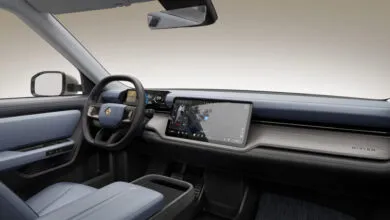
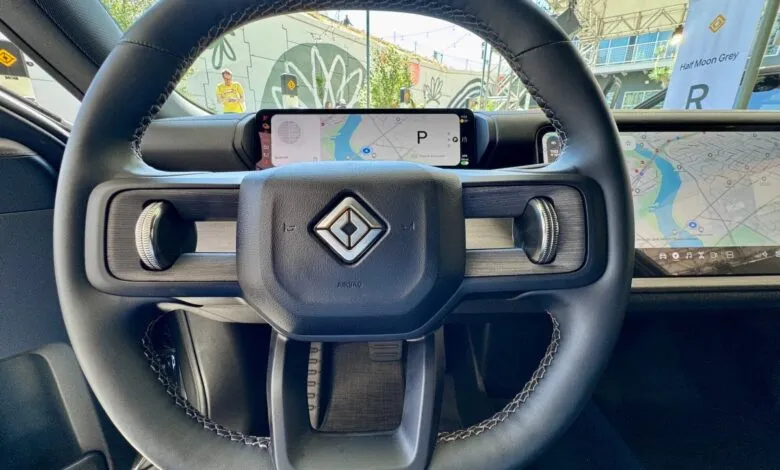
– Rivian’s R2 features significant software and hardware improvements over the R1, including a new operating system with edge computing for running local AI models and a steering wheel with haptic “halo wheels” for controls.
– Lucid Motors presented a robotaxi concept but clarified it is not in active development, with internal sources indicating the project is very new and its timeline uncertain.
– Several other significant mobility developments occurred, including Rivian spinning out a robotics startup, new electric aircraft orders and testing approvals, and various autonomous vehicle partnerships and legal disputes.
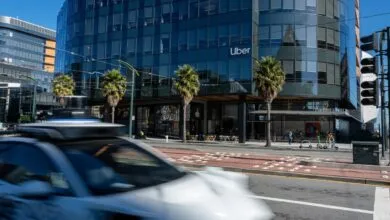
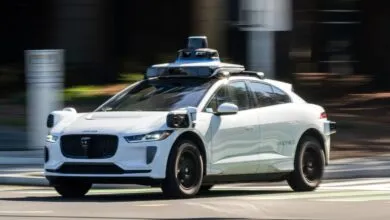
The world of transportation technology often feels like a revolving door of familiar faces and ambitious ideas, with this week offering a potent dose of déjà vu. Travis Kalanick, the controversial co-founder and former CEO of Uber, has re-emerged with a new venture that echoes the turbulent autonomous vehicle landscape of 2016. He is building a robotics firm called Atoms and is poised to acquire Pronto, an autonomous vehicle startup for industrial sites founded by his former Uber colleague, Anthony Levandowski. Kalanick is already Pronto’s largest investor. This move starkly recalls 2016, a peak hype year for AVs when Uber’s acquisition of Levandowski’s startup Otto led to a high-profile lawsuit from Waymo over alleged trade secret theft. It seems some chapters in tech history are eager for a sequel.
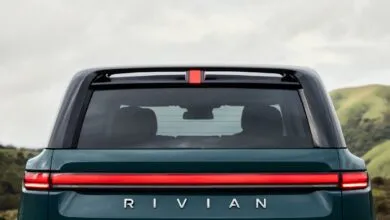
Meanwhile, at the SXSW festival in Austin, Rivian took center stage as the event’s headline sponsor. The electric vehicle maker unveiled detailed pricing and specifications for its highly anticipated R2 SUV. The performance launch edition will start at $57,990, with a more affordable $45,000 variant promised for late 2027. Rivian’s strategy appears heavily focused on experiential marketing, directly targeting the tech-savvy, creative demographic abundant at SXSW. The R2 represents a more accessible entry point than the flagship R1 models, boasting significant technological upgrades. A new, more powerful operating system utilizes edge computing with a single system-on-a-chip, enabling local operation of large language models for reduced latency. Another notable innovation is the introduction of “halo wheels” on the steering column. These provide haptic feedback and allow drivers to adjust climate, fan speed, and volume without looking away from the road, with functionality designed to expand via software updates.
In other news, Lucid Motors briefly generated buzz at an investor day by showcasing a robotaxi concept. Interim CEO Marc Winterhoff stated the company is “working on a dedicated Lucid Robotaxi.” However, Lucid later clarified that there is no active development and the vehicle remains merely a concept. Sources indicate the project is very nascent, having begun only in the last few months, raising questions about its realistic timeline.
Deal activity remained brisk, with a notable trend emerging from Rivian’s orbit. The company has spun out another startup, an industrial robotics lab called Mind Robotics, which just secured a $500 million Series A round co-led by Accel and Andreessen Horowitz. This follows a $115 million seed round and places Mind’s valuation at approximately $2 billion. When asked about the rationale and potential for more spin-offs, Rivian CEO RJ Scaringe offered a long pause before suggesting it was unlikely. He elaborated on a philosophy that challenges conventional robotics, emphasizing that for industrial tasks, the complexity should reside in the robotic hands, not in mimicking elaborate human motions like backflips.
Additional notable transactions include global ride-hailing firm inDrive acquiring Pakistan-based quick-commerce startup Krave Mart in an all-stock deal. Italy’s Mirai Robotics, developing autonomous maritime systems, raised $4.2 million. Surf Air placed a firm order for 25 of Beta Technologies’ ALIA electric aircraft, with options for 75 more.
This week also delivered a wealth of industry updates. MIT researcher Bryan Reimer questioned whether automated vehicles are destined for the same political polarization as electric cars. Archer Aviation filed counterclaims in a legal dispute, alleging rival Joby Aviation misrepresented itself as an American-made company. Battery materials company Group14 commenced production at a new factory in South Korea. The Federal Aviation Administration approved eight pilot programs to enable widespread testing of electric aircraft across 26 states. Harbinger unveiled a new medium-duty electric work truck, while Lucid began shipping Apple CarPlay and Android Auto to Gravity SUV owners.
A National Transportation Safety Board report indicated drivers in fatal crashes involving Ford’s BlueCruise system were likely distracted. Nuro is testing its autonomous delivery technology in Japan. Slate Auto appointed a new CEO ahead of production. Tesla secured a utility license in the United Kingdom. Wayve announced a partnership with Uber and Nissan for a Tokyo robotaxi pilot planned for late 2026. Uber added Motional’s Ioniq 5 robotaxis to its app in Las Vegas, and Zoox is mapping Dallas and Phoenix for future testing while also planning to partner with Uber in Las Vegas, pending crucial regulatory exemptions for its unique vehicle design.
Finally, in a nostalgic turn, the Chevrolet Bolt EV is making a comeback. One reporter’s experience at a press drive sparked an amusing yet fitting comparison: the Bolt is the McRib of the automotive world, a beloved item that makes periodic, welcome returns, prompting analysis into the economic logic behind General Motors’ decision to revive it.
(Source: TechCrunch)