Raycast Glaze: Your All-in-One Vibe Coding Platform
▼ Summary
– Raycast is launching a new product called Glaze, designed to simplify the creation, use, sharing, and discovery of AI-generated software, starting on Mac.
– Glaze allows users to build custom apps by simply typing a prompt, using underlying models like Claude Code and OpenAI’s Codex to handle the technical complexities.
– The tool is deeply integrated with the Raycast launcher and aims to manage backend tasks like cloud storage, design, and APIs so users don’t need coding knowledge.
– While enabling easy app creation and sharing, Glaze raises unresolved questions about software ownership, responsibility, and monetization in this new ecosystem.
– Raycast’s ambition is to fundamentally change the software landscape, positioning Glaze as a potential competitor to traditional app stores by making personalized apps widely accessible.
Building software without writing a single line of code is now possible, but the journey from idea to a functional app still involves navigating terminals, deployments, and complex maintenance. Raycast, the popular Mac launcher, aims to strip away these final barriers with its new product, Glaze. This platform is designed to let anyone build, use, share, and discover what it calls “vibe-coded” software. Currently exclusive to Mac, the company has plans to expand to Windows and mobile, believing this tool could fundamentally reshape how we interact with applications.
Raycast cofounder Thomas Paul Mann describes Glaze as the company’s vision for personal computing. He champions the concept of users crafting tiny, personal utilities or hyper-specific apps tailored to their team’s unique workflows. With Glaze, you can start from scratch, browse a directory of shared apps from other users, or, as Mann suggests is often best, take an existing app and modify it to fit your exact preferences.
The process within Glaze is notably streamlined compared to other no-code platforms. You simply describe what you want in a prompt, and the tool attempts to generate a complete application in one attempt. It leverages Claude Code and OpenAI’s Codex as its core AI models, so the experience may feel familiar to those who have experimented with AI-assisted coding. However, early testing indicates Glaze puts a strong emphasis on getting the app right on the first try, minimizing the need for iterative tweaks.
Mann confirms this is a core objective. The goal is for users to prompt anything they desire without ever needing to dive into the underlying code. Glaze is engineered to handle the complex background tasks that users typically expect from polished software, such as cloud storage, adhering to design principles, and managing APIs. These are elements that require significant technical knowledge to implement, even with other AI coding tools, but Glaze seeks to abstract them away entirely.
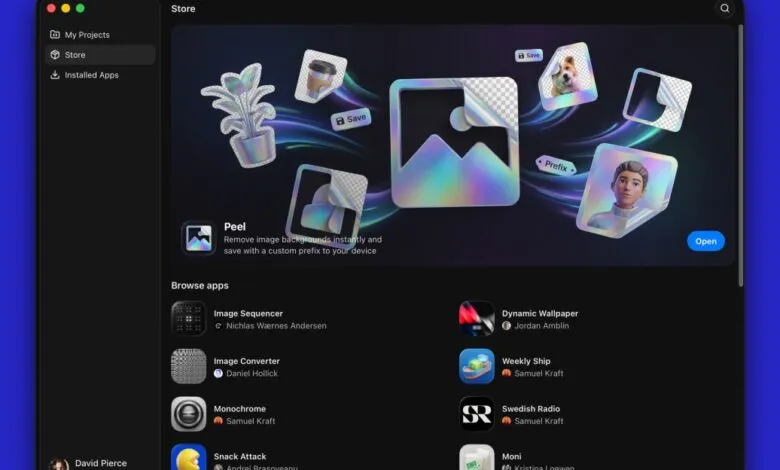
During a demonstration, Mann showcased a variety of apps he created. These included a tool that generates an emoji from any selected picture, a simple spending tracker, and an app for recording Zoom meetings while highlighting key moments. The collection also featured data visualization dashboards, project trackers, tweet analyzers, and logo creators. Each app follows a clean, simple design aligned with Apple’s interface guidelines, sports a retro-styled skeuomorphic icon, and resides in a “My Projects” list within the Glaze application.
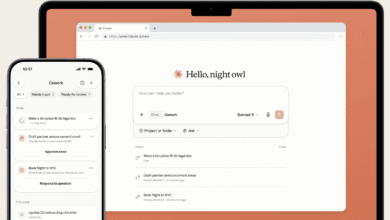
While Glaze operates as a separate product, it is deeply integrated with the Raycast launcher. Mann explains that when you build a Glaze app, it essentially comes with a bundled extension that Raycast can seamlessly incorporate. In this ecosystem, Raycast acts as the orchestrator, helping users manage and launch their growing collection of personalized apps across their system.
The simplicity of the idea quickly leads to complex questions about this new software ecosystem. When you build an app and someone else installs it from the Glaze Store, are they installing your application or merely downloading code to run locally? Who bears responsibility if the app malfunctions? Can another user modify your creation and claim it as their own? Is there a mechanism to charge for your apps? Mann admits that many of these answers are still unclear, as the entire model is so novel that established norms don’t yet exist.
The business model itself is still taking shape, with plans for a free version and several paid tiers likely priced between twenty and thirty dollars, based on usage levels. Mann’s current theory is that most users will gravitate toward building simple, single-player tools that operate locally on their machines. Glaze isn’t positioning itself to host the next major social platform or enterprise CRM; instead, it focuses on empowering countless small utilities that make daily digital life more efficient.
Despite this focus on simplicity, Raycast’s overarching ambitions are substantial. Mann believes we are at what he calls “the iTunes moment” for software, where everything a user needs becomes available in one centralized, accessible place. He sees this shift toward prompt-generated applications as a fundamental change that could eventually reshape the entire app economy. In his view, platforms like Glaze are effectively challenging the established app stores on Mac and Windows. The future, he suggests, is open for transformation.
(Source: The Verge)