Are We Ready for Robots That Outperform Humans?
▼ Summary
– China’s 2026 Spring Festival Gala prominently featured humanoid robots from domestic companies performing complex, precise kung fu and comedy routines.
– This display was a deliberate signal of China’s technological ambitions, framing robotics progress within its national “AI+manufacturing” industrial policy.
– The robots demonstrated a significant leap from previous clunky performances, executing advanced actions like backflips and going viral on social media.
– Experts note these robots excel at pre-programmed stage performances but lack true autonomous adaptability for unpredictable real-world tasks.
– The spectacle introduces robots to a global audience, shaping public perception and signaling that humanoid development is now a prime-time, strategic endeavor.
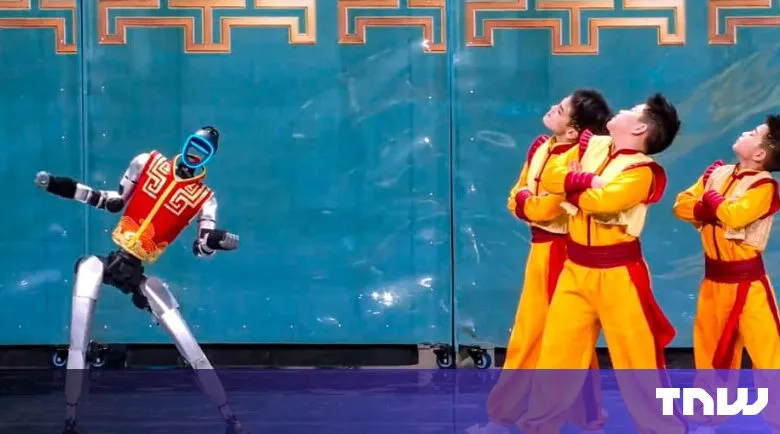
Viewers of China’s 2026 CCTV Spring Festival Gala, expecting the usual festive performances, were instead greeted by a striking new act: a troupe of humanoid robots executing flawless kung fu, synchronized dances, and comedy sketches. This was far more than simple entertainment; it represented a bold statement of technological ambition from the world’s leading producer of such machines. Companies like Unitree Robotics, Galbot, MagicLab, and Noetix showcased their creations in a display that blended cultural tradition with a clear vision for the future.
The performance marked a dramatic leap from just a year prior, when robotic appearances were often charmingly awkward. This time, the machines executed complex backflips, martial arts sequences, and even displayed sharp comedic timing. Clips of their routines spread rapidly across social media and international tech news, becoming a viral sensation. Chinese state media framed the moment as tangible proof of rapid advancement within the nation’s broader “AI+manufacturing” industrial strategy, positioning robotics as a core component of economic development.
Public reaction was mixed. While many praised the impressive engineering feat, others felt the spectacle shifted the gala’s tone, making it resemble a tech expo more than a cozy cultural celebration. Some even humorously complained that the robots were “stealing the Year of the Horse thunder.” Yet the underlying message from the industry was unmistakable: China is not merely assembling hardware but is animating it with sophisticated artificial intelligence capable of refined performance.
These robots have become ambassadors of technological prowess, leveraging prime cultural real estate to shape global perception. However, experts caution against overstating their current practical capabilities. Most of these humanoids excel at pre-programmed movements but still lack the true autonomous adaptability required for unpredictable real-world tasks like caregiving or complex factory work. They are, for now, exceptional performers on a controlled stage rather than fully independent agents.
The spectacle’s true importance lies in its impact on public imagination and strategic signaling. It successfully pushes humanoid robots from research labs into the mainstream consciousness, sending a clear message to global investors, startups, and competing nations. This development frames robotics as a premier arena of technological competition. The conversation is evolving beyond simplistic fears of replacement to consider how these embodied AI systems are being integrated into shared cultural narratives, actively shaping societal expectations for the future.
China’s robotic dancers captured the attention of billions with style and precision, offering both a celebration of innovation and a pointed cultural wink. We can certainly admire the engineering and enjoy the show. Yet as these machines become increasingly visible and capable, the pressing questions extend beyond their ability to perform. We must consider what we are ultimately asking them to do, and what their ascendance signifies for the future of human work, creativity, and identity. When robots begin to outshine humans in certain domains, the appropriate response blends genuine admiration with thoughtful caution about the path ahead.
(Source: The Next Web)