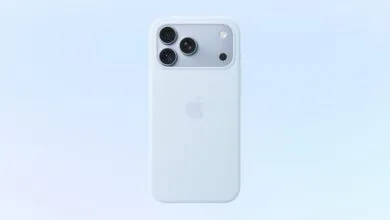
Apple iPhone 18 Pro Release Date: Android Rivalry Ends

▼ Summary
– Apple’s September launch of the iPhone 18 Pro forces Android rivals like Samsung and Google to shift their launch dates to earlier months, diminishing their market visibility.
– The iPhone 18 Pro release compels network operators to redirect marketing subsidies and inventory space from premium Android devices to Apple, robbing Android of retail momentum.
– A ten-day gap between the iPhone 18 Pro’s September 9 reveal and its retail launch creates a window where consumers consider trade-in values and platform-switching costs.
– During the pre-launch gap, Apple is vulnerable to competitors’ marketing, but counters by pushing pre-orders to secure high-value customers with immediate reservations.
– Apple’s trade-in program offers higher values for older iPhones, reinforcing upgrades within its ecosystem rather than encouraging moves to Android.
The annual contest for dominance in the premium smartphone market is decided by far more than just processing power or camera specs. Release timing, distribution strategy, and marketing pressure all play decisive roles. When Apple unveils the iPhone 18 Pro and iPhone 18 Pro Max this September, the ripple effects will disrupt global supply chains, reshape consumer expectations, and force Android rivals to scramble for breathing room. Samsung and Google have already pushed their flagship launches to July and August, trying to carve out a window before Apple’s juggernaut reclaims the spotlight.
The iPhone 18 Pro release date effectively sidelines Android competitors during the critical fall season. Apple’s annual launch sets the tempo for the entire smartphone industry. Once the iPhone enters the conversation, marketing momentum and brand visibility shift decisively in Apple’s favor. Premium Android handsets, no matter how impressive, fade from public view. The earlier Apple drops its new models, the less time rivals have to establish themselves as the year’s best device. They are forced into defensive positions, scheduling launches that run counter to the iPhone’s dominant lifecycle. Samsung, for instance, leans heavily on its foldables to showcase hardware innovation, while its Galaxy S26 series arrived in February 2026, almost perfectly opposite Apple’s cycle. Google has moved its Pixel announcement to August, leaving only a few weeks of clear runway before Apple’s advertising machine takes over.
Apple’s early September release also strips Android devices of retail momentum. Carriers and retailers must reallocate marketing budgets and shelf space to accommodate the new iPhone. Demand for the iPhone 18 Pro and iPhone 18 Pro Max is expected to match or exceed the iPhone 17 Pro from 2025, which itself saw pre-orders surpass the iPhone 16. Every network and store must balance that wave, which means clearing out Android inventory in advance. The visibility that competing manufacturers enjoyed in the weeks before the iPhone launch evaporates, robbing them of momentum just as annual contracts expire and consumers begin shopping for upgrades.
The ten-day gap between the iPhone 18 Pro reveal on September 9 and its retail release on September 25 creates a strategic friction point. Historically, Apple launches on the second Friday after the event, so a Wednesday announcement points to a Friday, September 19 release. During that window, trade-in values for older phones begin to decline, pushing consumers to decide quickly whether to commit to the new iPhone or explore alternatives. This is also when platform switching costs become most apparent. Moving from Android to Apple, or vice versa, involves not just the price of a new phone but also investments in accessories, apps, and ecosystem lock-in. That makes this period Apple’s most vulnerable moment, and rivals must intensify their marketing efforts if they hope to lure switchers. To counter this, Apple will aggressively push pre-orders, locking in high-value customers with immediate reservations. While Apple’s trade-in program is less flashy than some competitors’, it offers strong values mainly for older iPhones, subtly reinforcing the upgrade cycle and discouraging defection to Android.
(Source: Forbes)