Why You Should Wait for the iPhone 18 Pro
▼ Summary
– Apple is planning a major change to its release cycle, with the iPhone 18 Pro, Pro Max, and Fold launching in September 2026, followed by the standard iPhone 18 and 18e in spring 2027.
– The iPhone 18 Pro models are expected to feature a larger battery for improved life, a slightly thicker and heavier chassis, and a design that largely retains the iPhone 17 Pro style with a more seamless back-glass appearance.
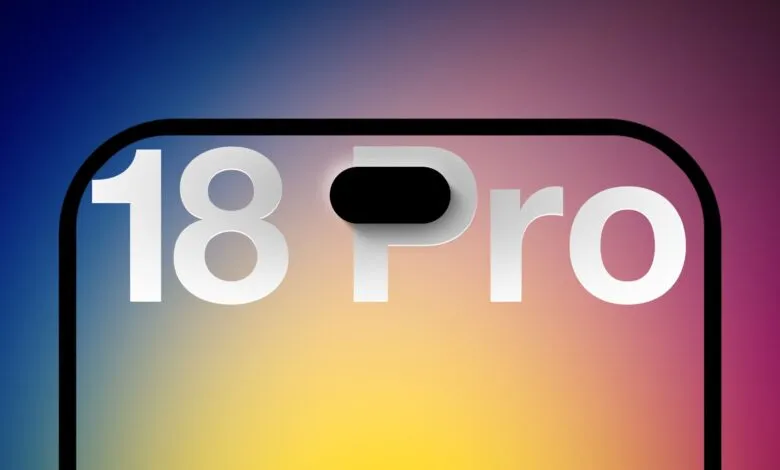
– Rumors are divided on the front display design, with possibilities including a significantly smaller Dynamic Island, a single pinhole camera, or the introduction of under-display Face ID technology.
– Key hardware upgrades for the Pro models are rumored to include Apple’s new A20 Pro chip on a 2nm process, an in-house C2 cellular modem, and a main camera with a variable aperture lens and a new Samsung-made sensor.
– Other reported features include potential support for 5G satellite internet, a simplified Camera Control button design to reduce costs, and new color options like burgundy, brown, and purple.
Apple’s development pipeline for the iPhone is a meticulously planned operation, with work on future models beginning years in advance. This forward-looking strategy is why credible rumors about upcoming features often surface long before a device’s official launch. The anticipated iPhone 18 Pro and Pro Max, slated for a 2026 release, are already generating significant buzz with a host of potential upgrades that could make them a compelling leap forward.
A notable shift in strategy is reportedly on the horizon. Apple is said to be planning a two-phase rollout starting with the iPhone 18 series. This would see the premium models, the iPhone 18 Pro, iPhone 18 Pro Max, and a rumored iPhone Fold, debut in September 2026. The more standard iPhone 18 and a budget-friendly iPhone 18e would then follow in the spring of 2027.
Visually, the iPhone 18 Pro models are expected to closely resemble their iPhone 17 Pro predecessors. The familiar rear camera layout with three lenses in a triangular formation on a raised plateau is likely to continue. Display sizes should also remain consistent, with the Pro at 6.3 inches and the Pro Max at 6.9 inches. However, Apple may refine the finish, moving away from a two-tone rear casing to a more seamless look where the color of the Ceramic Shield 2 glass better matches the aluminum frame.
A major focus appears to be on endurance. Reports indicate the iPhone 18 Pro Max will feature a bigger battery, with capacity potentially reaching 5,100 to 5,200 mAh. To accommodate this, the chassis may become slightly thicker, increasing the device’s weight to around 243 grams. This would solidify its position as the iPhone with the longest battery life.
The fate of the front display design remains a topic of debate. Some rumors suggest Apple is targeting an under-display Face ID system that would eliminate the Dynamic Island entirely, replacing it with a single, tiny pinhole camera. Other reliable sources, however, believe a full transition to an all-screen front is still a generation away. The prevailing consensus is that the Dynamic Island will shrink significantly, becoming approximately 35% narrower, as Apple refines the technology before its eventual removal.
Under the hood, performance gains will be driven by the new A20 Pro chip, manufactured on TSMC’s advanced 2nm process. This shift is expected to deliver notable improvements in both speed and power efficiency. Furthermore, Apple may integrate RAM directly onto the same wafer as the main processor using advanced packaging technology, which could boost performance for general tasks and AI operations while extending battery life.
A significant shift is also expected in cellular connectivity. The iPhone 18 Pro models are tipped to feature Apple’s in-house C2 modem, succeeding the company’s first-generation cellular chips. This move continues Apple’s strategy to reduce reliance on Qualcomm and is anticipated to bring faster speeds, better efficiency, and support for mmWave 5G in the U.S.
Camera advancements could be substantial. Samsung is reportedly developing a new three-layer stacked image sensor specifically for the 2026 iPhones, which would improve responsiveness and image quality. More dramatically, Apple is said to be planning to introduce a variable aperture lens on the main camera. This DSLR-style feature would allow users to manually adjust the lens opening for greater creative control over depth of field and exposure, a first for the iPhone lineup.
Another groundbreaking feature on the roadmap is 5G satellite internet connectivity. This technology would enable full internet access via satellite networks, moving beyond the current emergency-only satellite features. If development stays on track, the iPhone 18 Pro models could be among the first smartphones to offer this capability.
On a more practical note, Apple may simplify the design of the Camera Control button by removing its capacitive touch layer, retaining only pressure sensing to reduce manufacturing and repair costs. Finally, for aesthetics, the company is rumored to be testing new color options, including a potential first true red shade for the Pro models in burgundy, alongside brown and purple finishes.
(Source: Mac Rumors)


