iPhone Ultra to Get Touch ID This Fall: Here’s Why
▼ Summary
– Apple’s upcoming foldable iPhone Ultra will use Touch ID instead of Face ID for authentication.
– The switch to Touch ID is due to thickness and internal space constraints, according to analyst Ming-Chi Kuo.
– The iPhone Ultra, when unfolded, will be 4.5-4.8mm thick, thinner than the iPhone Air at 5.6mm.
– Using Face ID would require two separate sets of components for the phone’s two displays, taking up valuable internal space.
– Touch ID will be integrated into the power button, avoiding the need for duplicate components.
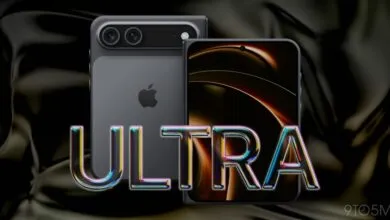
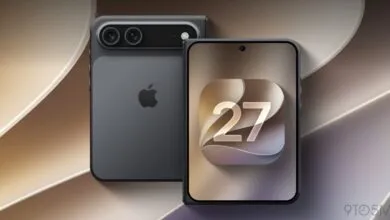
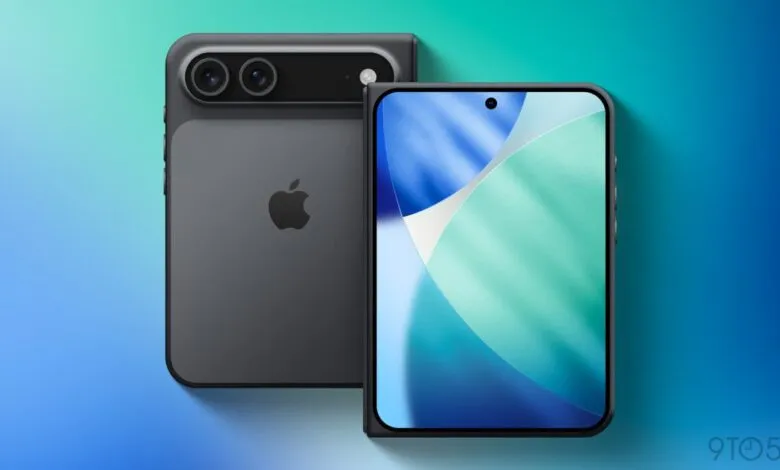
This fall, Apple is set to unveil its first foldable iPhone, rumored to be called the iPhone Ultra. Among its most surprising features is the return of Touch ID instead of Face ID. Here is the reasoning behind Apple’s reported decision.
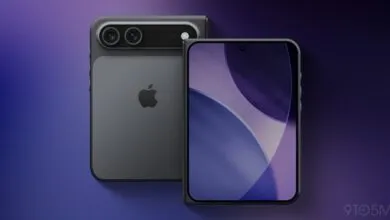
The iPhone Ultra is shaping up to be the most distinctive iPhone model ever released. It will feature two displays, a smaller external screen and a larger internal one that unfolds. Instead of a Dynamic Island, it will use a hole-punch cutout for the front camera. And, according to leaks from multiple sources over recent months, it will rely on Touch ID for biometric authentication, not Face ID.
For a device carrying the “Ultra” branding, this seems like a curious step backward in authentication technology. So why the change?
According to analyst Ming-Chi Kuo, Apple was compelled to use Touch ID “due to thickness and internal space constraints.”
Face ID components fit inside the ultra-thin iPhone Air, so why not the iPhone Ultra? There are at least two clear reasons.
First, the iPhone Ultra will be even thinner than the iPhone Air. The Air measures 5.6mm thick, but the Ultra, when unfolded, will be just 4.5 to 4.8mm. That is a significant reduction.
Second, the foldable design would require two separate sets of Face ID components, one for each display. Even if Apple could technically fit Face ID into the thinner frame, it would double the space needed. That precious internal real estate could instead go toward a larger battery, a vapor chamber, or other performance-enhancing hardware.
By integrating Touch ID into the power button, Apple avoids doubling its components. It is the practical solution the company chose for this generation.
How much does the switch from Face ID to Touch ID on the iPhone Ultra matter to you? Share your thoughts below.
Best iPhone accessories
(Source: 9to5Mac)