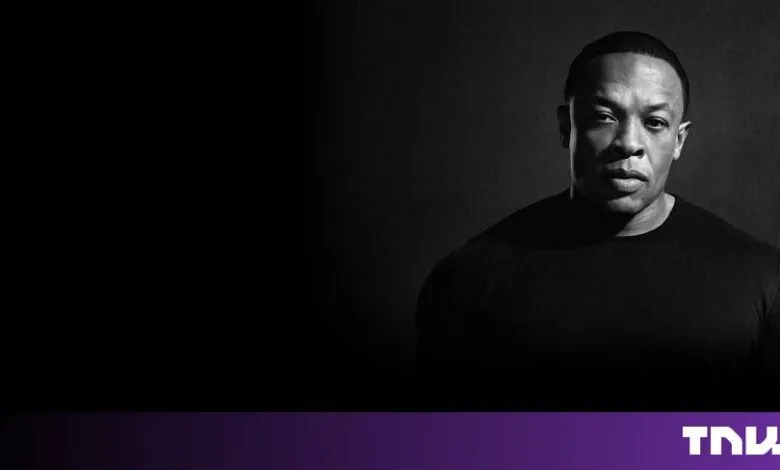
Dr. Dre: Fear of AI Stems From Creative Insecurity
▼ Summary
– Dr Dre and Jimmy Iovine publicly support the integration of artificial intelligence in music production, viewing it as a creative tool rather than a threat.
– They compare current AI skepticism to historical resistance against new instruments like drum machines and synthesizers, arguing that fear stems from an unwillingness to learn.
– While Dr Dre uses AI for experimental purposes and personal queries, Iovine emphasizes that talented musicians can produce better records using these advanced tools.
– The article notes that other prominent producers like Timbaland, David Guetta, and Grimes are also utilizing AI, despite some artists remaining secretive about their usage.
– Apple is preparing to implement labeling systems for songs generated by AI platforms on Apple Music to ensure transparency for listeners.
Dr. Dre and Jimmy Iovine argue that resistance to artificial intelligence in music is rooted in creative insecurity rather than technical threat. The legendary producer and his longtime business partner recently shared their views on the technology’s role in modern production, dismissing fears that AI will replace human artistry. In an interview with the New York Times, published on Sunday, the duo positioned themselves as early adopters who view these tools as essential additions to the creative toolkit.
Iovine was particularly blunt about the nature of this opposition. “I think the only people that see it as a threat are the people who have trouble creating,” he stated. He drew parallels between current skepticism toward AI and historical pushback against earlier technological innovations in music. Dre echoed this sentiment, comparing modern critics to those who rejected drum machines and synthesizers when they first emerged. “It’s a new tool for creativity. Some people are afraid of learning new things,” Dre said, according to reports from Variety. “I’m embracing it. I can’t wait to see what’s going to happen with this.”
Practical Applications and Industry Adoption
Dre described his approach to AI as experimental, using the technology to test ideas on tracks he has already created. While he did not disclose specific workflows, tech analysts note that this could range from generating full compositions to simpler tasks like stem separation or file organization. When asked about recent interactions with chatbots, Dre revealed his queries were focused on fitness advice regarding muscle gain and fat loss, highlighting a personal rather than professional use case at that moment.
Iovine offered a more comprehensive defense of AI in music creation. “I’m very pro-A. I. in music creation. I don’t see the downside at all,” he asserted. He acknowledged that the influx of AI-generated content would likely result in lower-quality output but argued that existing standards already account for mediocre music. He suggested that skilled producers could leverage these tools to enhance their work, while also criticizing AI companies for poor communication strategies.
The distinction often drawn by industry observers is between mass-produced disposable songs and experienced producers integrating software into a broader artistic process. Iovine claimed that other top-tier producers are already utilizing these technologies discreetly. “So is Timbaland, another brilliant producer,” he said. “By the way, there’s a lot of closet AI producers out there.” Dre concurred that some artists are using AI without public disclosure. This trend has become more visible recently, with figures like David Guetta and Grimes openly discussing their usage, and Timbaland having been covered by outlets like TNW for his involvement in chart-topping AI music.
Financial Background and Corporate Context
Dre, whose real name is Andre Romell Young, remains a dominant force in the music industry following his tenure with N. W. A and the founding of Aftermath Entertainment. His partnership with Iovine led to the creation of Beats, which Apple acquired in 2014 for over $3 billion. Dre currently serves as the chief executive of Beats under Apple’s ownership. In 2023, he sold a portfolio of music income streams and assets to Shamrock Holdings and Universal Music Group for more than $200 million. These financial moves contributed to his entry onto the Forbes billionaires list earlier this year, with an estimated net worth of $1 billion.
Apple Music is preparing to implement stricter guidelines regarding AI-generated content. The platform announced it will begin labeling songs derived from AI platforms later this year. This move follows similar actions by competitors; Spotify has tagged profiles of artists appearing to be AI-generated as “AI Personas,” though its rollout has been slower than rivals. A coalition including the RIAA, IFPI, the Grammys, and SAG-AFTRA recently advocated for an industry-wide labeling system modeled after parental advisory stickers.
Platform Policies and Legal Battles
Streaming services are actively attempting to filter AI content. Deezer reported that AI accounts for more than half of the music it receives, much of which it considers fraudulent. The platform has since introduced a remix tool that excludes AI and a free detector to scan playlists for low-quality content. Tidal plans to strip royalties from fully AI-generated tracks and tag detected files, while Qobuz is developing its own methods. Bandcamp has taken the most stringent stance by banning music generated wholly or substantially by AI.
Simultaneously, legal challenges are mounting against AI developers. Round Hill Music sued Suno and Anthropic in August, alleging unauthorized scraping of hundreds of songs for training models. All three major labels have filed suits against Suno. Warner Music Group settled with Suno last year, and BMG struck a licensing deal with the company, even as it sues Anthropic for systematic infringement. Recent leaks revealed that Suno’s model relies on millions of scraped songs, contributing to its $5.4 billion valuation in June.
These regulations primarily target tracks created entirely by machines, leaving established catalogs untouched. As TechRadar noted, classic hits like California Love and Straight Outta Compton are not subject to demonetization or AI tagging. However, policies continue to evolve rapidly.
Mick Jagger recently weighed in on the debate, stating in July that AI is acceptable for musicians provided it does not mimic his voice. This sentiment reflects the current industry consensus: embrace the tools, but prevent impersonation. Despite their support for AI integration, neither Dre nor Iovine addressed the critical issue of training data rights or compensation for original artists whose work may have been used to train these models. The New York Times summarized the interview by noting that while the legends view AI positively, the regulatory landscape is still taking shape.
(Source: The Next Web)