NHTSA sets July deadline for autonomous vehicle firms to fix first responder issues
▼ Summary
– NHTSA issued a directive requiring autonomous vehicle developers to fix first responder interference by the end of July, citing vehicles blocking ambulances and ignoring flares.
– Administrator Jonathan Morrison stated the inability to detect emergency scenes is a “functional insufficiency,” not a rare edge case.
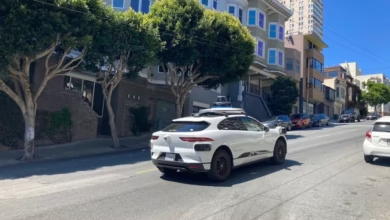
– The directive likely targets Waymo, which operates the largest US robotaxi fleet and had incidents where first responders took control of its vehicles.
– Waymo vehicles blocked roads during emergencies, including a mass shooting response and a natural gas explosion, and stalled during July 4 fireworks.
– NHTSA also proposed updating safety standards to remove requirements for windshield wipers and brake pedals, aiding companies building steering wheel-less vehicles.
The National Highway Traffic Safety Administration has issued a directive ordering autonomous vehicle developers to address a “clear pattern” of driverless cars interfering with emergency responders, with a deadline set for the end of July. The agency cited multiple incidents where AVs drove into active emergency scenes, blocked ambulances and firefighters, and failed to recognize flashing lights, flares, smoke, fire, and traffic cones.
NHTSA Administrator Jonathan Morrison stated, “Let me be clear: the inability to detect and appropriately respond to such situations represents a functional insufficiency. Emergency scenes are not rare or extreme ‘edge cases.'” The directive demands that AV companies present concrete solutions by July 31, though it does not name specific firms.
While the letter omits company names, the details strongly suggest Waymo, which operates the largest robotaxi fleet in the U. S. A TechCrunch investigation uncovered at least six incidents through March where first responders had to physically take control of Waymo vehicles during emergencies. In one case, an officer was responding to a mass shooting. In June, another officer moved a Waymo to clear a road for responders heading to a natural gas explosion at an apartment building. Additionally, Waymo’s robotaxis stalled and caught fire during July 4 fireworks, underscoring the operational challenges autonomous vehicles face in unpredictable real-world conditions.
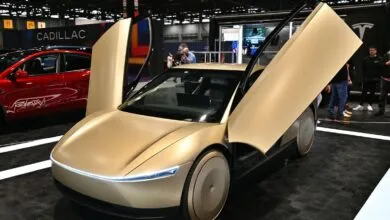
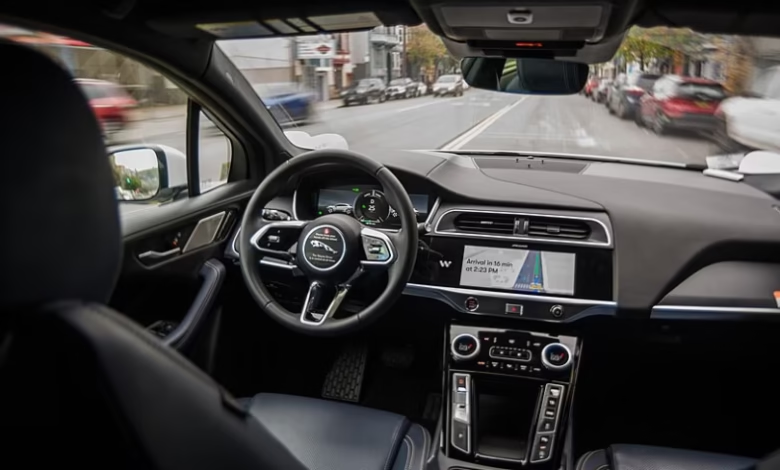
The directive does not specify penalties for non-compliance, but it implies accountability by noting that human drivers who impede emergency operations face fines and jail time. NHTSA also announced progress on updating Federal Motor Vehicle Safety Standards, including proposed rules that would eliminate requirements for windshield wipers, sun visors, defogging systems, and tire placards. These changes could help companies like Tesla and Zoox build vehicles without steering wheels or pedals. The Trump administration has already proposed dropping the brake pedal requirement for autonomous vehicles, clearing a path for purpose-built robotaxis.
(Source: The Next Web)