OpenAI insiders say Apple’s ChatGPT integration feels like a burn
▼ Summary
– OpenAI is exploring legal options after Apple’s ChatGPT integration failed to meet its revenue expectations, which were predicted to generate billions annually in subscriptions.
– OpenAI believes Apple deliberately failed to promote the integration and fears the deal may have damaged the ChatGPT brand.
– OpenAI criticizes Apple’s design choices, such as requiring users to specifically say “ChatGPT” to access features and using small response windows that make the integration easy to ignore.
– OpenAI entered the deal as a “leap of faith” without full understanding of how the integration would work, and efforts to renegotiate have since stalled.
– Due to feeling “burned” by Apple, OpenAI has declined other partnerships to work on Apple’s AI models and is actively working with a legal firm on potential formal actions.
OpenAI is reportedly weighing legal action after its high-profile ChatGPT integration with Apple fell short of expectations, with insiders describing the partnership as increasingly strained.
When the deal was first announced, Apple compared the integration of ChatGPT into Siri to its landmark arrangement embedding Google search in the Safari browser, according to Bloomberg sources granted anonymity to discuss the relationship. That comparison fueled excitement inside OpenAI, where one executive said the partnership was expected to generate billions of dollars annually in subscriptions.
Instead, OpenAI now suspects Apple deliberately underpromoted the integration. Internal sources told Bloomberg the company fears the arrangement may have actually harmed the ChatGPT brand.
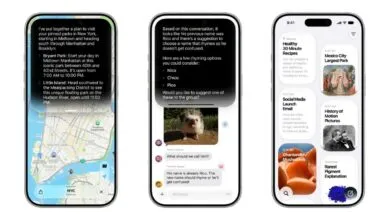
A major point of contention is how Apple designed the user experience. To access the AI features, Apple users must specifically say or type “ChatGPT” when invoking Siri, a requirement OpenAI believes makes the tool unnecessarily hard to use. Adding to the frustration, Apple displays ChatGPT responses in small windows with limited information, making it easy for users to ignore the feature entirely, sources said.
The OpenAI executive acknowledged that Apple failed to fully explain how the integration would function when the deal was struck. The company took what it now considers a “leap of faith” and regrets the decision.
“When we heard about this opportunity, it sounded amazing: being able to acquire a giant number of customers and have distribution in such a big mobile ecosystem,” the executive explained, describing why OpenAI entered the arrangement without full clarity. Since then, efforts to renegotiate terms have “stalled,” according to Reuters. And feeling “burned” by the experience, OpenAI has reportedly declined to pursue other partnerships involving Apple’s AI models.
Insiders say the AI firm is now actively consulting with an outside legal firm on a range of options that could be formally executed in the near future.
“We have done everything from a product perspective,” the OpenAI executive said, summing up the company’s frustrations. “They have not, and worse, they haven’t even made an honest effort.”
(Source: Ars Technica)