RAM Shortage May Persist for Years
▼ Summary
– The author is the Verge’s weekend editor with over 18 years of experience, including a decade as managing editor at Engadget.
– A DRAM shortage is expected to persist, with manufacturers projected to meet only 60% of demand by late 2027 and shortages possibly lasting until 2030.
– Major memory makers are building new fabrication capacity, but almost all of it will not be operational until at least 2027 or 2028.
– Planned production increases for 2026 and 2027 fall short of the annual growth needed to meet demand.
– New production facilities will focus on AI-focused high-bandwidth memory, which may not alleviate price increases for consumer electronics using general-purpose DRAM.
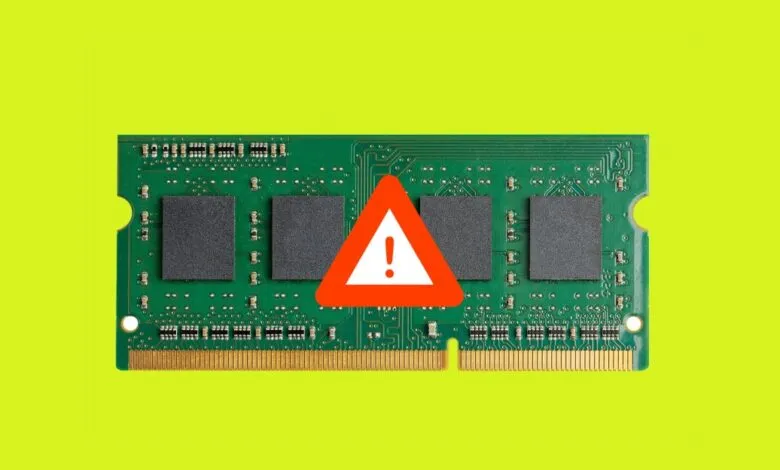
A persistent global shortage of DRAM, the memory used in everything from smartphones to servers, is projected to last for several more years. Industry reports indicate that even with increased production efforts, manufacturers may only satisfy about 60 percent of total demand by late 2027. Some industry leaders warn the supply constraints could potentially extend into 2030, signaling a prolonged period of tight availability and elevated prices for consumers and businesses alike.
The three dominant memory producers, Samsung, SK Hynix, and Micron, are all investing in new fabrication plants. However, the timeline for these facilities is lengthy, with the majority not expected to become operational until 2027 or 2028. Among these giants, only SK Hynix has brought a new plant online this year, opening a facility in Cheongju, South Korea, in February. This single addition represents the sole significant production increase from the major players for 2026.
Analysts calculate that to finally balance the market, DRAM production would need to grow by approximately 12 percent annually in both 2026 and 2027. Current expansion plans, however, fall far short of that target. Industry forecasts suggest a planned capacity increase of only 7.5 percent, creating a significant gap between projected supply and relentless demand.
A major factor driving this imbalance is the strategic shift toward high-bandwidth memory (HBM), a specialized, high-performance memory critical for powering artificial intelligence data centers. Chipmakers are prioritizing HBM production to capture the lucrative AI market, which inevitably diverts resources and wafer capacity away from the general-purpose DRAM used in everyday devices. Consequently, the new fabrication plants may do little to ease the cost pressures on consumer electronics. The shortage has already contributed to higher prices across a wide range of products, including laptops, smartphones, virtual reality headsets, and popular gaming handhelds, a trend likely to continue for the foreseeable future.
(Source: The Verge)