Amazon Ends Android Fire TV Sticks, Switches to Vega OS
▼ Summary
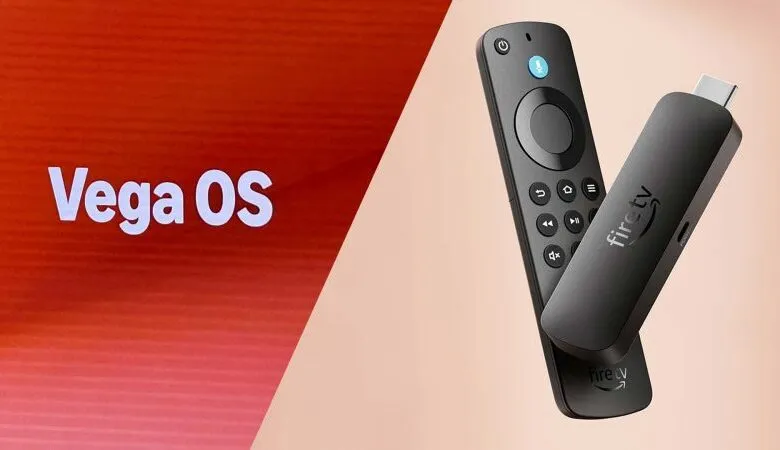
– Amazon released a new Fire TV Stick HD this week, which runs its Vega operating system.
– The device’s release has been described as disappointing.
– This is the second Amazon streaming device to use the Vega OS.
– The future of Amazon’s Android-based Fire TV devices now appears uncertain.
– The article directly links the new Vega device’s poor reception to this bleak outlook.
The latest Fire TV Stick HD arrived this week, marking the second streaming device from Amazon to launch with its proprietary Vega OS. This move signals a definitive shift away from the Android-based software that has powered the company’s streaming hardware for years. The transition to Vega OS represents a strategic pivot for Amazon, allowing the tech giant to exert greater control over its ecosystem and user experience. While the new device’s reception has been tepid, the underlying platform change is the more significant story.
For consumers, this means the familiar Android TV interface is being phased out. Future Fire TV products will operate on Vega OS, a forked version of Android that Amazon has heavily modified to prioritize its own services and content. This allows for deeper integration with Alexa, Amazon’s Prime Video library, and other first-party applications. The company is clearly prioritizing a walled-garden approach, streamlining its hardware and software to create a more cohesive environment for its customers.
The implications for the broader market are substantial. Amazon’s departure from the standard Android TV framework could fragment the streaming device landscape further. Competing platforms like Roku, Google TV, and Apple TV each have their own distinct operating systems. By fully committing to Vega, Amazon is doubling down on its independence, reducing its reliance on Google’s ecosystem and its associated licensing requirements. This strategic autonomy could lead to more rapid, proprietary innovation in features and user interface design.
However, this shift is not without potential drawbacks for users. The move may limit app availability in the short term, as developers will need to ensure compatibility with Amazon’s forked OS. While major streaming services will undoubtedly support the new platform, smaller or niche applications could face delays or choose not to develop for Vega OS at all. Furthermore, the user experience will become more distinctly “Amazon-centric,” which could be a negative for those who prefer a more neutral, agnostic device for accessing content from various providers.
Looking ahead, the era of Android-based Fire TV sticks is effectively over. Amazon’s hardware roadmap is now firmly aligned with Vega OS. This consolidation allows the company to optimize performance and security updates directly, potentially leading to more stable and responsive devices. While the initial product launch may have underwhelmed, the long-term strategy is clear: Amazon is building its own distinct technological lane in the competitive streaming media player market.
(Source: Aftvnews.com)