Galaxy XR Headset Transforms 2D Apps into 3D
▼ Summary
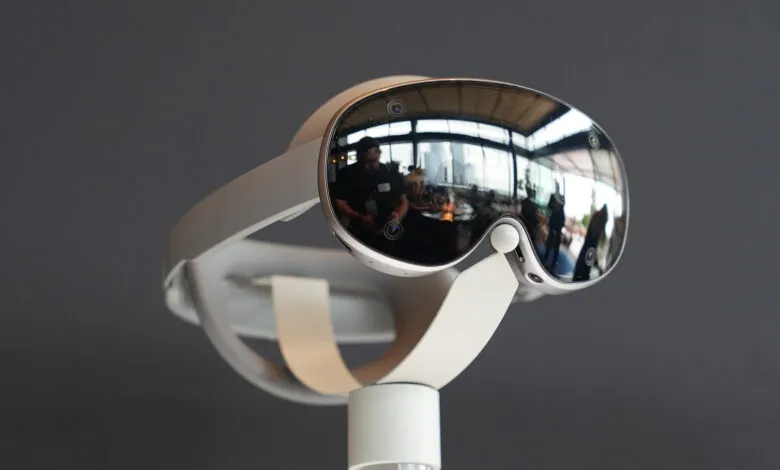
– Google is launching an experimental feature called “auto-spatialization” for Android XR on Samsung Galaxy XR headsets.
– This feature automatically converts 2D apps, websites, images, and videos into 3D experiences.
– The capability was first announced the previous year and is being released on a specific Tuesday.
– It has limitations, including support for content only up to 1080p at 30fps and increased battery usage.
– The feature only functions on the application window that is currently in focus for the user.
A significant update is rolling out for Android XR, introducing a powerful new capability that converts standard 2D content into immersive three-dimensional environments. This auto-spatialization feature, developed by Google, will begin launching on Tuesday as an experimental option for users of Samsung Galaxy XR headsets. The technology promises to transform everyday apps, websites, images, and videos into what Google describes as “3D experiences,” breathing new life into flat content within a virtual space.
The concept for this feature was first unveiled last year, and its arrival marks a notable step in making XR platforms more versatile. By applying depth and perspective to conventional media, the system aims to create a more engaging and spatially aware user interface. Early demonstrations suggest it could make browsing or watching videos in a headset feel more natural and integrated into the virtual surroundings.
However, this initial release comes with several important technical limitations. According to Google’s support documentation, auto-spatialization currently only functions on the single application window that is actively in focus. It supports content with a resolution up to 1080p at 30 frames per second, and users should be aware that enabling the feature will result in slightly higher battery consumption. These constraints indicate the experimental nature of the launch, setting expectations for its current performance scope.
For owners of the compatible hardware, this update represents an intriguing glimpse into a future where the line between 2D and 3D interfaces becomes increasingly blurred. The ability to spatially enhance existing content could significantly expand the utility of XR devices for productivity and entertainment, moving beyond experiences built exclusively for virtual or augmented reality.
(Source: The Verge)