Commodore 64 Review: 1982 Tech in the Modern World

▼ Summary
– The Commodore 64 Ultimate is a modern, FPGA-based recreation of the classic 1982 Commodore 64 computer, designed to offer a pure retro experience with 21st-century reliability and features.
– It is priced at $299 and is produced by a new team, Commodore International, which includes original Commodore engineers and retro computing experts.
– The device accurately emulates the original hardware while adding modern capabilities like HDMI output, USB and network game loading, Wi-Fi, and optional overclocking.
– It maintains full compatibility with original peripherals like cartridges, joysticks, and tape drives, but also provides extensive built-in software access and virtual storage options.
– The review concludes it is a premium product for retro enthusiasts and creators, offering a cost-effective and reliable alternative to maintaining aging original hardware.
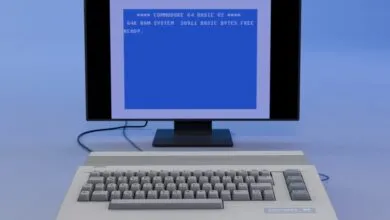
Stepping back into the world of 8-bit computing feels like a journey through time, and the Commodore 64 Ultimate makes that trip remarkably seamless. This modern recreation is far more than a simple emulator; it’s a fully realized hardware tribute that captures the spirit of the iconic 1982 machine while integrating the conveniences we expect today. For anyone who grew up with the distinctive hum of a SID chip or the sight of a blue BASIC screen, this device offers a powerful wave of nostalgia without the fragility of aging original components.
My own history with these machines runs deep. While the Commodore 16 was my initial introduction, it was the legendary C64 where I truly found my footing, learning programming basics that later shaped my career. The unit now on my desk is the most authentic recreation I’ve encountered. Priced at $299, it represents a significant investment, yet one that feels justified when compared to the soaring and unpredictable costs of sourcing and maintaining original hardware on the secondary market. This isn’t a collection of spare parts; it’s a cohesive, new product built by a passionate team that includes notable figures from Commodore’s past, such as engineer Bil Herd and designer Dave Haynie.
The core promise of the Commodore 64 Ultimate is to deliver the pure experience of the original computer with modern reliability. It achieves this through an AMD Xilinx Artix-7 FPGA, which accurately replicates the original hardware’s behavior. The specifications reveal a fascinating blend of old and new: where the original had 64KB of RAM, this unit boasts 128MB. Output is handled through a crisp HDMI port capable of 1080p, a world away from the original RF or composite video connections. The inclusion of multiple audio options, from FPGA-based SID emulation to sockets for installing your own vintage SID chips, is a particularly thoughtful touch for audiophiles and musicians.
Unboxing the device is an event in itself. The packaging cleverly evokes the era, and inside you’ll find the computer, a comprehensive user guide, a power supply, and a unique USB drive shaped like a classic cassette tape, pre-loaded with games and demos. Setup is incredibly straightforward. A quick connection of the HDMI cable and power adapter leads directly to that familiar blue BASIC screen. A brief press of the power rocker switches the system into its enhanced C64U mode, unveiling a detailed menu system that unlocks a suite of modern features.
This menu is the gateway to everything. From here, you can load software from USB drives or over a network, adjust video settings to perfection on modern displays, and even tweak system performance. One astonishing feature is the ability to overclock the virtual CPU from 1 MHz all the way to 64 MHz and expand the RAM up to 16MB, enough to theoretically run a port of Doom. Navigating the menu using the C64’s unique keyboard layout takes a little acclimation, but it soon becomes second nature.
A critical test was compatibility with original peripherals. Using an International Soccer cartridge, a homemade arcade joystick, and a Tapuino datasette emulator, I found that everything worked as intended. There was a minor configuration step needed to use an SD2IEC floppy drive emulator alongside the system’s internal virtual drives, but it was easily resolved. The beauty is that these legacy devices are optional. The Ultimate can load game images directly from USB or its internal storage, eliminating the need for additional hardware. Connecting to Wi-Fi or Ethernet opens access to the Commoserver, a vast online library of games, demos, and applications searchable from the machine itself.
Getting the system online to explore classic Bulletin Board Systems (BBS) was a smooth process, far simpler than configuring a vintage modem on an original C64. The built-in BASIC interpreter performs flawlessly, enabling authentic programming and software development. I wrote and saved a simple program to a virtual disk image on a USB drive, then successfully accessed that same disk on a PC-based emulator, demonstrating a practical workflow for modern homebrew creators.
Inside the case, the design pays homage to the original motherboard layout while utilizing contemporary components. The FPGA sits on a SODIMM-like module, suggesting potential for future upgrades. The board includes two Zero Insertion Force (ZIF) sockets for installing genuine SID chips, a feature I tested with my own 8580 chip. The system detected it immediately, and the authentic audio character shone through, though the built-in FPGA SID emulation is also excellent. For the Starlight Edition, which costs $50 more, translucent casing and programmable RGB LEDs offer a vibrant, customisable aesthetic.
When considering cost, building a comparable setup with original hardware is revealing. Sourcing a working C64, a reliable modern power supply, storage emulators, video converters, and a Wi-Fi modem easily surpasses $260, not accounting for the time and risk involved with decades-old parts. The Commodore 64 Ultimate, at $299, provides a consolidated, reliable, and warranty-backed alternative.
So who is this for? It’s not for those who just want a quick emulated game. This is a dedicated platform for enthusiasts, preservationists, and homebrew developers. It’s for those who cherish the tactile feel of the keyboard, the precise sound of the SID, and the authentic process of loading software. It’s a love letter to an era where computing felt magical, written in hardware that ensures that magic continues for years to come.
(Source: Tom’s Hardware)