Cyberpunk 2077’s Redemption Didn’t Rewrite Gaming History
▼ Summary
– Cyberpunk 2077 launched in 2020 with massive hype but severe technical issues, especially on consoles, leading to its removal from the PlayStation Store.
– The game’s troubled development included crunch, which eroded the goodwill CD Projekt Red had earned from *The Witcher 3*.
– CDPR focused on fixing the game with patches and updates, a process significantly boosted by the critical success of the *Cyberpunk: Edgerunners* anime.
– A major 2023 update and the *Phantom Liberty* expansion were positioned as finally delivering the game that was promised at launch.
– Despite its redemption, discussions about the game remain contentious due to its marketing history and some players’ attempts to rewrite its problematic launch.
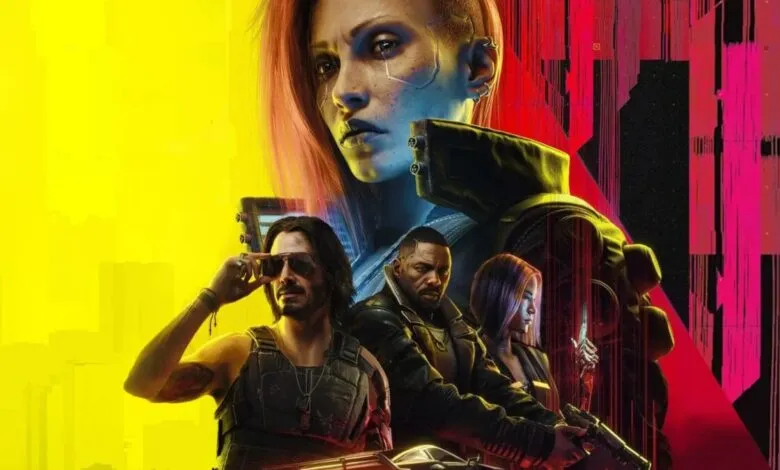
Hype drives the video game industry, creating immense anticipation that can be difficult for any title to satisfy. When a game fails to meet expectations in a spectacularly messy fashion, it becomes a cultural spectacle far beyond a simple disappointment. This was the precise trajectory of CD Projekt Red’s Cyberpunk 2077. The action-RPG, drawing from Mike Pondsmith’s tabletop universe, was buoyed by enormous goodwill following The Witcher 3. Its marketing crescendoed with the stunning reveal of Keanu Reeves as Johnny Silverhand, positioning the studio as an untouchable industry leader.
The reality of the December 2020 launch was starkly different. While initial reviews were mixed, the game’s technical state on base PlayStation 4 and Xbox One consoles was disastrous, leading to Sony removing it from the PlayStation Store. Players encountered game-breaking bugs, from falling through the world to corrupted saves. This collapse was compounded by revelations of a troubled development cycle marked by intense crunch, contradicting earlier public assurances from leadership. The studio’s hard-earned reputation eroded almost overnight.
CD Projekt Red embarked on a lengthy redemption campaign. Planned multiplayer modes and additional expansions were shelved to focus on a relentless series of patches and updates. The true turning point, however, arrived with the surprise success of the Cyberpunk: Edgerunners anime from Studio Trigger. The critically acclaimed series drove a massive wave of new and returning players to the game during its rehabilitation phase. This momentum culminated in the massive 2.0 update in 2023, which overhauled core RPG systems and integrated elements from the anime, effectively delivering the experience many had initially expected.
This transformation was capped by the Phantom Liberty expansion and a meta marketing campaign declaring, “The game is fixed.” While the studio rightly took pride in its three-year salvage operation, the narrative surrounding Cyberpunk 2077‘s comeback has always carried a certain unease. For some, this stems from the memory of the game’s pre-launch marketing and the studio’s online conduct. For others, the persistent, declarative messaging that “the game is good now” felt less like a statement and more like a necessary mantra, repeated alongside financial reports celebrating the title’s resurgent sales.
This context makes discussions about Cyberpunk more contentious than other games with rocky launches. A segment of the player base, deeply invested in the game’s world, often seeks to reframe history, insisting the core experience was always exceptional. CDPR itself has struck a more nuanced tone, with staff openly acknowledging the fraught original development while highlighting improved studio conditions and viewing Phantom Liberty as part of making amends.
In many respects, Cyberpunk 2077 did recover. A sequel is in development, alongside more animated and live-action projects, cementing the IP’s future. The ultimate test for both the franchise and CD Projekt Red will be evident in the approach to this next chapter. The language used during its marketing and the transparency around its development will reveal if the studio has internalized the hard lessons of the past. The game may be fixed, but the question remains whether the developer’s practices have been fundamentally reformed.
(Source: Gizmodo)