Spotify Aims to Dominate Video Streaming Next
▼ Summary
– Spotify is launching music videos for US subscribers this month and aims to become a major video platform rivaling YouTube and TikTok.
– This expansion is enabled by new licensing deals with major labels and publishers that secured the necessary audiovisual rights.
– The strategic shift towards video is driven by a saturated music streaming market, requiring Spotify to compete for overall user attention and time.
– YouTube is identified as Spotify’s most serious current challenger due to its dominant position in music videos and growing YouTube Music service.
– Spotify is exploring video growth through partnerships (e.g., Netflix, Samsung) and may expand video features, but is unlikely to allow open user uploads like TikTok.
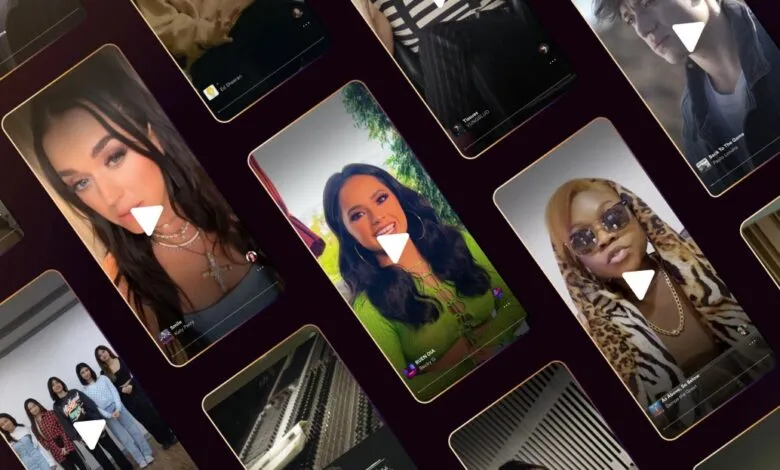
A major shift is underway at Spotify, as the audio giant prepares to launch a significant new video initiative. Later this month, the service will begin integrating music videos directly into its app, allowing subscribers in the United States to seamlessly switch between audio and video versions of countless popular tracks. This move signals a profound strategic evolution, with the company publicly stating its ambition to build a video experience that rivals industry leaders like YouTube and TikTok, transforming from an audio-first platform into a comprehensive video service.
This expansion into visual content became possible after Spotify secured new licensing agreements with major record labels and publishers this past fall. These deals specifically included crucial audiovisual rights. Spotify’s chief business officer, Alex Norström, emphasized that securing these broader video rights was a “critical strategic objective,” as it finally unlocks the company’s ability to innovate and launch a wider array of products and features for its users.
The push for video is not limited to music. Norström recently revealed that Spotify now hosts close to half a million video podcasts and shows. Engagement with this content is soaring, with over 390 million users having streamed video podcasts on the platform and overall video watch time more than doubling compared to the previous year. Industry analysts see this aggressive video pivot as a necessary response to market realities. As music streaming growth plateaus in mature Western markets, services like Spotify must fight harder for a larger share of audience attention, improve subscriber retention, and find better ways to monetize free-tier users. This means Spotify is no longer competing solely with other music apps, but with every form of digital entertainment, from Netflix to TikTok to video games.
A key challenge for Spotify is that music is often treated as a background activity. Adding a visual component directly addresses this by demanding more focused attention from listeners. The undeniable leader in blending music and video is YouTube, which remains the most popular global destination for free music consumption. Its integrated subscription service, YouTube Music, benefits enormously from direct access to the platform’s vast video library. Experts note that YouTube Music is growing rapidly and represents Spotify’s most serious competitive challenger at the moment, precisely because it is built on a visual foundation in an entertainment world dominated by video.
To accelerate its own video growth, Spotify is forging unconventional partnerships. It has teamed up with Netflix to bring Spotify podcasts to that streaming service and collaborated with Samsung to create a linear streaming channel featuring popular Spotify podcast episodes. These alliances aim to generate additional revenue while also driving new audiences back to Spotify’s own platform.
The looming strategic question is how far Spotify will go. Will it eventually open its doors to user-generated content, mimicking the models of YouTube and TikTok? The company has not commented on such future plans, and a fully open upload system seems unlikely due to the immense copyright and content moderation hurdles it would create. However, the boundary between amateur and professional creation is blurring. Spotify already allows musicians to upload short, vertical video clips similar to Reels, and it featured such content from podcasters and authors in its recent Wrapped campaign.
A logical next step could involve onboarding influential music curators from social platforms. These creators drive significant music discovery across genres, but currently, a user must watch their video on TikTok, leave that app, and then open Spotify to find the recommended artist. Integrating this style of influencer content directly into Spotify would create a far more seamless discovery-to-playback experience, keeping users engaged within a single ecosystem. Regardless of the specific path forward, it is increasingly clear that video will be a cornerstone of Spotify’s strategy across phones, televisions, and every other screen.
(Source: The Verge)