Formula E’s Speed Surge: What’s Next for the Sport?

▼ Summary
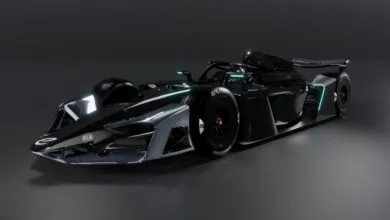
– Formula E’s Gen 4 cars will feature high- and low-downforce configurations to enhance performance without compromising entertainment value.
– The shift to 600 kilowatt power and high-grip tires in Gen 4 aims to prioritize car performance without previous compromises.
– Downforce is necessary for Gen 4 due to increased power and speed, but its impact on racing is still under investigation.
– Formula E teams will use standardized bodywork, and a cost cap prevents excessive spending on aerodynamic development.
– Porsche successfully managed resource allocation under the cost cap, balancing championship efforts with Gen 3 Evo testing and Gen 4 development.
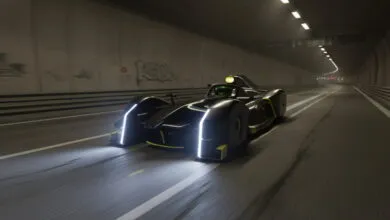
Formula E is gearing up for its most dramatic evolution yet as Gen 4 promises unprecedented performance without compromise. The upcoming generation will introduce high- and low-downforce configurations, marking a significant shift in how these electric race cars handle circuits. While aerodynamics can sometimes detract from wheel-to-wheel action, the series insists these changes are essential for unlocking next-level speed and handling.
Balancing performance with entertainment has always been a tightrope walk for motorsport. “We’re done making concessions,” explains a key technical lead involved in Gen 4’s development. Pushing power output to 600 kW, optimizing tire grip, and refining downforce aim to erase any lingering perception that electric racing lacks intensity. The goal? A machine that stands on its own merits, no longer measured against traditional combustion rivals.
Drivers already relish the unique demands of Formula E’s street circuits, but Gen 4 will amplify the challenge. “The performance leap will be staggering,” notes a top Porsche motorsport executive, whose team dominated recent championships. Higher cornering speeds and braking forces demand aerodynamic solutions, though simulations continue to assess how this impacts overtaking opportunities. One thing’s certain: teams won’t engage in an arms race over bodywork design. Standardized components and strict cost controls ensure development focuses on efficiency rather than unchecked spending.
Juggling current-season competition with future car testing requires meticulous planning. Porsche’s dual championship wins prove their approach works, allocating resources across active campaigns, prototype evaluations, and next-gen concepts simultaneously. With Gen 4, Formula E isn’t just evolving; it’s asserting that electric racing can deliver heart-pounding action while staying true to its innovative roots. The question isn’t whether the cars will be faster, but how drivers and engineers will harness this potential to redefine the sport.
(Source: Ars Technica)