Physical games face a bleak future
▼ Summary
– The author describes his personal transition from collecting physical video games as a kid to buying only digital games, reflecting a broader industry trend where 93% of Capcom’s sales were digital in its last fiscal year.
– Rockstar Games announced that the physical version of *Grand Theft Auto VI* will contain a download code instead of a disc, which could push other publishers to adopt similar practices and limit game sharing or resale.
– Sony announced it will stop making physical discs for new PlayStation games starting in January 2028, citing consumer preference for digital media, which accounted for 85% of PS4 and PS5 game sales.
– Microsoft will likely stop making physical discs for Xbox games soon, though it is testing a feature to let players digitize their physical game collections; Nintendo is expected to continue supporting physical games for now.
– Game preservationists and retailers criticize the shift away from physical media, with the Video Game History Foundation calling for industry solutions to legally preserve digital content for research.
As a kid, I lived for trips to Best Buy, GameStop, and the local mall just to browse video games. I loved sorting through boxes and chatting with friends about upcoming releases. On the rare days I actually walked out with a new game, I’d treasure reading every page of the manual on the drive home. Over time, I built a collection I was genuinely proud of.
But that was ages ago. Shortly after college, I sold my older games and hardware because I wasn’t using them and needed cash for other things. Starting with the Nintendo Switch in 2017, I shifted to digital purchases,it was just easier to download stuff and avoid piling up plastic cases. Now, I own zero physical games. My Switch, PlayStation, Xbox, and Steam libraries are all digital.
I’m far from alone. Digital libraries have become increasingly convenient, especially as console makers prioritize backwards compatibility across generations. Some players can’t even use physical games anymore, since PlayStation and Xbox released all-digital versions of the PS5 and Xbox Series consoles at a lower price. On PC, digital storefronts like Steam have been the norm for years. Capcom, one of the biggest publishers, reported that a staggering 93 percent of its game sales were digital last fiscal year,and it expects that to reach 95.4 percent soon. Many of today’s biggest titles, like Roblox and Fortnite, are digital-only.
For better or worse, players overwhelmingly buy and play digital games. But in just one week, two industry giants drove the final nails into the coffin of physical media,or maybe even poured concrete over the grave.
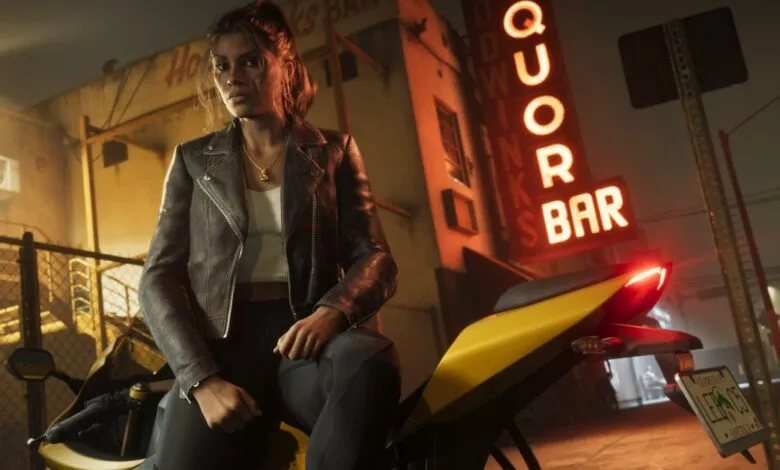
On June 24th, Rockstar Games finally priced Grand Theft Auto VI ahead of its November 19th release on PS5 and Xbox Series X/S: $79.99 for the base edition, $99.99 for the Ultimate Edition. Those prices weren’t shocking,even Nintendo has tested $79.99 games. What stunned fans was a detail buried in Rockstar’s post: The physical version won’t include a disc. Instead, the box will contain a download code.
That announcement was a worrying sign for physical games. Selling codes in boxes isn’t new, but GTA VI will be the biggest title to do it. Rockstar’s choice could push more publishers down the same path. Without a disc, players can’t easily share or resell the game.
It’s also becoming clear that digital storefronts aren’t reliable. Titles can disappear due to licensing issues or store closures. That probably won’t happen to GTA VI,Rockstar will likely keep it widely available for years, especially if it wants the game to have legs like the 13-year-old GTA V. Still, with digital stores, you risk being locked out of your account,even by mistake,and losing access to your entire library. In 2023, some PlayStation users were unexpectedly banned through no fault of their own, though Sony eventually restored their accounts.
Just days after Rockstar’s news, Sony dropped an even bigger bomb: Starting January 2028, it will stop producing physical discs for any new PlayStation games.
The announcement drew sharp criticism from retailers and preservationists. “This is unfortunate news for those who still prefer buying games on physical media, and is certainly a significant hit to consumer rights, the resale market, and game creators whose businesses rely on the physical market,” said Frank Cifaldi, executive director of the Video Game History Foundation.
Sony’s reasoning was straightforward. “This is a natural direction for Sony Interactive Entertainment to adapt to consumer trends as the general preference for digital media significantly outpaces physical discs,” the company said. “This transition will enable us to align more closely with how most of our community prefers to access and play games today.” The numbers back it up: In the fourth quarter of its 2025 fiscal year, Sony reported that 85 percent of full game software sales on PS4 and PS5 were digital downloads.
So what happens next? We’ll have to see if Grand Theft Auto VI actually launches on November 19th and whether a disc version ever appears. Despite two major delays, it seems likely the game will ship on schedule, especially now that Rockstar has set a price and opened preorders.
We’ll also need to watch Microsoft and Nintendo. Xbox hasn’t revealed its plans for discs on Project Helix, its next-generation console, but The Verge’s Tom Warren reports that Xbox will “likely soon” stop making physical discs for its games. However, Warren notes the company is testing a feature that would let you digitize your physical game collection.
Nintendo will probably stick with physical games for a while. According to its latest fiscal year report, digital makes up just 54.6 percent of game sales, so physical remains a significant part of its business. The Switch 2 is only a year old, and it’s extremely unlikely Nintendo would stop making physical games for hardware it plans to support for years. Still, with the Switch 2, Nintendo gives developers the option to sell game-key cards,physical carts you can borrow and resell, but they don’t actually contain the game’s data. Instead, they act as keys to download the game to your system.
Game stores and preservationists must also adapt to a future where physical games are harder to find. Cifaldi noted that museums and archives have already been preparing “with the expectation that putting discs on a shelf isn’t going to be a long-term solution for preserving new games.” But he called on trade groups to offer solutions for legally preserving digital content for research,efforts the Entertainment Software Association has previously opposed. “The industry needs to meaningfully come to the table on this issue, because asking museums to download a copy of Grand Theft Auto VI and hope it’ll run in 50 years is not a preservation solution,” Cifaldi said.
Sony now faces an awkward period where it’s launching new games but dealing with pushback from players who want physical discs. The company has faced severe backlash after its announcement, but it seems unlikely to reverse course. It’s already repurposing its last PlayStation disc-making factory.
By the way, comedian Trevor Noah weighed in on PlayStation’s news, noting that “for a lot of gamers physical discs are the only way they could afford to play games because they could get them secondhand. You can also give games to your younger siblings, which is a great way to introduce them to the games you were playing.”
In a post titled “Sony Nerfs Videogame Ownership,” the Electronic Frontier Foundation pointed out that “unlike other digital media like film and TV, video games require a ton of storage. Access to high speed internet is still abysmal in the US, making the high-speeds needed for digital game downloads a luxury some of us may take for granted.”
A day after the GTA VI news, Circana analyst Mat Piscatella shared a chart that neatly sums up the situation: physical game sales peaked long ago, back in 2009.
(Source: The Verge)