Square Enix Exec: Disc-Free Games Could Cut Prices

▼ Summary
– Former Square Enix executive Jacob Navok predicts digital-only PlayStation sales will lower game prices due to increased publisher competition, similar to Steam’s dynamic pricing.
– Navok argues that publisher competition, not digital store competition, drives pricing pressure, with stores like EGS and Steam affecting developer revenue shares rather than consumer prices.
– Digital storefronts like Steam frequently offer discounts, even on AAA titles, and shift buying trends toward older games, extending their sales longevity.
– Newer games are rising in price despite digital trends, as shown by Grand Theft Auto VI’s digital-only release not lowering its price point.
– Navok’s theory is speculative, as pricing culture on PSN and Nintendo’s eShop has not mirrored Steam’s discounts, despite digital sales dominating for years.
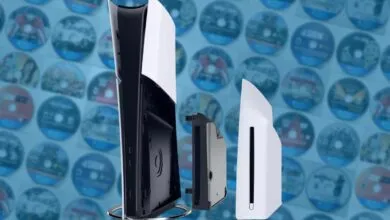
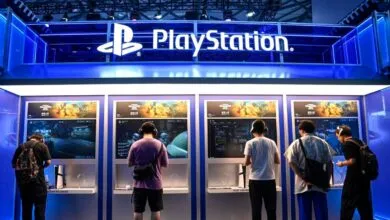
As Sony pushes forward with its plan to eliminate physical releases for new PlayStation titles, gamers are bracing for a future where they pay more and own less. Publishers have largely greeted the shift with indifference or approval, while fans have responded with considerably less enthusiasm. A former Square Enix executive, however, argues that an all-digital ecosystem could actually make games cheaper, even if the evidence so far tells a different story.
“Digital on the PS store will likely get cheaper,” wrote Jacob Navok, who previously served as a business strategist at Square Enix. “Current prices are tied to retail. Without physical discs holding digital hostage we’ll see a larger spectrum of pricing similar to Steam.”
Navok’s reasoning centers on competition. He contends that a disc-free marketplace would force major publishers into constant, dynamic pricing battles with one another. Traditionally, it was storefronts, whether brick-and-mortar or digital, that competed on price. In a digital-only world, Navok argues, publishers themselves become the primary rivals, which should push full-priced titles downward. He points to the pricing trajectory of Final Fantasy XVI on Steam as evidence: when the game’s price finally dropped, it slid further than many expected.
Competition between publishers is what drives pricing pressure, not competition between digital stores. This is because publishers set pricing on digital stores. Competition between stores like EGS and Steam improves the take rates for developers, not necessarily the price for… https://t.co/6ZZw8EUJ5v pic.twitter.com/0QLQmclwsG , Jacob Navok (@JNavok) August 13, 2026
“The more the Playstation store becomes digital only, the greater this trend will accelerate,” Navok continued. “You will see more sales and dynamic pricing similar to Steam because publishers will compete among themselves to a greater extent.”
There is some truth to the idea that digital platforms like Steam host near-constant sales. Even major AAA releases routinely shed 20 percent or more during promotional windows. Buying patterns on that platform also skew toward older titles, suggesting that frequent discounts can substantially extend a game’s commercial lifespan. Yet the counter-evidence is hard to ignore. Newer games are becoming pricier, even on digital storefronts. Grand Theft Auto VI, for instance, is set to launch as a digital-only release, and its price point has not budged one cent.
Navok’s theory leans heavily on optimism and assumption. Publishers might indeed lower suggested prices to climb storefront rankings or attract attention. But they could just as easily see a world without used game sales or disc sharing as license to charge whatever they want. Steam’s discount culture has not migrated to PSN, and Nintendo’s eShop remains even more rigid. Digital sales have accounted for the majority of revenue for years now, and the promised wave of aggressive pricing has yet to materialize. That track record suggests it may never arrive.
(Source: Kotaku)