Thermacell launches larger, pricier smart mosquito system
▼ Summary
– Thermacell Liv 2.0 is a new, more expensive Wi‑Fi-connected mosquito protection system that requires professional installation.
– The system uses a central hub with wired repellers that heat a metofluthrin-based repellent to create 20‑foot zones of protection, covering up to 3,000 square feet.
– Pricing starts at about $1,746 for a three-repeller system, roughly double the original’s launch price; the largest 10-repeller system costs $4,900.
– Upgrades include new hardware, redesigned repellers, improved repellent release rates, no‑see‑um deterrence, and a more flexible branching system.
– The system is controlled via the Liv+ app with no subscription, but users must cover their entire yard to avoid bugs returning outside the protection zone.
Thermacell has unveiled Liv 2.0, the upgraded version of its Wi-Fi-enabled smart mosquito control system, bringing redesigned hardware and expanded coverage to the market. The company claims the new formulation can also deter no-see-ums, but the system comes with a significantly higher price tag and now requires professional installation.
The core concept remains the same as the original Liv: a central hub connects to wired repellers that use a metofluthrin-based repellent. However, Liv 2.0 features entirely new components. Pricing begins at roughly $1,746 for a package that includes three repellers, a six-pack of refill cartridges, and coverage for up to 900 square feet. That is double the starting price of the original system, which launched at $699 and covered about 945 square feet.
For those needing to protect larger outdoor areas, a four-repeller Liv 2.0 setup costs $2,150, while a 10-repeller configuration reaches $4,900 and covers 3,000 square feet. Thermacell notes this top-tier option is intended for commercial use, such as restaurants with patios. Installation costs are not included in these figures. The original Liv system remains available for purchase at $1,500 and can still be installed by the buyer.
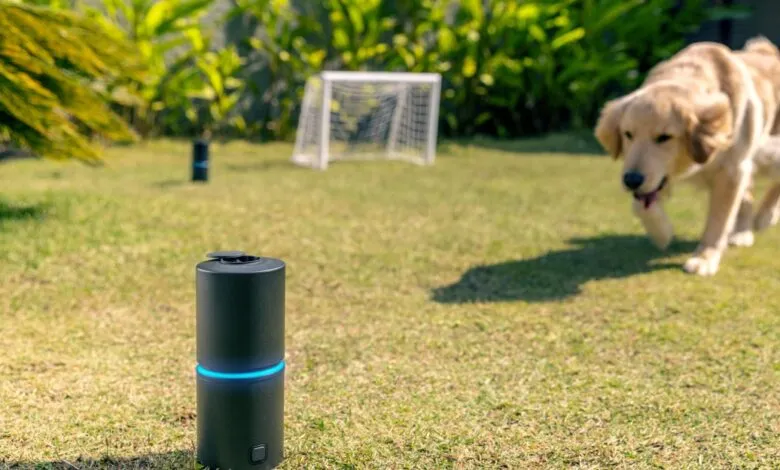
Each repeller uses replaceable capsules that heat the repellent, creating a 20-foot protection zone. Linking multiple repellers expands that coverage, up to the maximum 3,000 square feet. The system produces no sprays or smoke, and the repellent is EPA-registered and deemed safe for children and pets. In a previous review, the original system proved highly effective at repelling biting insects, though it was insufficient for covering an entire quarter-acre yard , a limitation that persists with the new version.
Key upgrades in Liv 2.0 include a redesigned hub, repellers with a pop-open top for better diffusion, and a repellent now rated to deter no-see-ums. A new branching design allows for more flexible placement of the repellers. According to Adam Goess of Thermacell, the company also re-architected the system’s cloud connectivity. He attributes the steep price increase to these improvements combined with rising global costs for IoT components.
What sets Liv apart from Thermacell’s battery- and butane-powered devices is its direct connection to your home’s electrical system, enabling broader and more consistent coverage. Wi-Fi connectivity allows full control via the Liv+ app, including on/off toggling, scheduling, voice commands through Amazon Alexa and Google Home, and push notifications to conserve repellent. The system can also be set to shut down automatically. There is no subscription fee, and Goess has stated that Thermacell is committed to keeping the app free.
Liv 2.0 is now available exclusively through Thermacell’s network of professional installers. It remains a costly solution to a persistent problem, though the company argues the expense is comparable to hiring a service to spray your yard for a season. If you decide to invest, it is wise to purchase enough repellers to cover your entire outdoor space. As experience shows, stepping outside the protected zone means the bugs will quickly return.
(Source: The Verge)