Samsung Galaxy S26 to Bring Satellite Connectivity to Older Models
▼ Summary
– Samsung is adding satellite connectivity to its new Galaxy S26 series and expanding support to select older Galaxy devices.
– This follows Apple, which introduced the feature in 2022, and Google, which added it in 2024.
– The satellite service enables emergency messaging and data, enhancing user safety in areas without cellular coverage.
– Availability depends on carrier partnerships, with services rolling out in major markets like the US, Europe, and Japan.
– Specific carrier offerings vary, including T-Mobile’s T911 and data via Starlink, and Verizon’s eSOS, with others like AT&T coming soon.
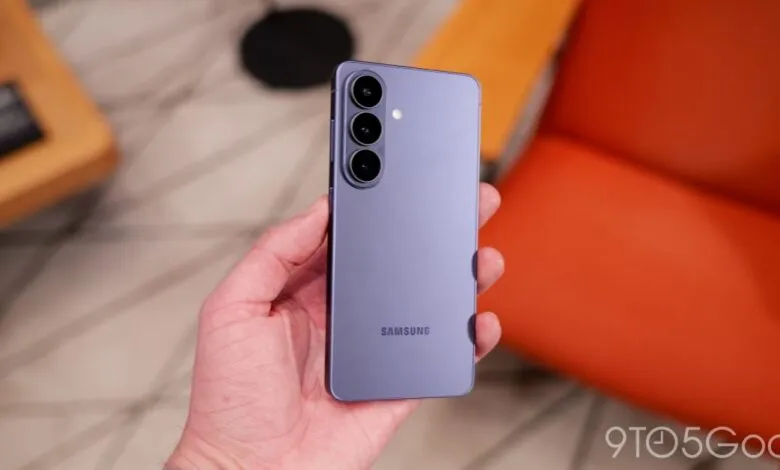
The upcoming Samsung Galaxy S26 series is set to introduce satellite connectivity, a feature that will also be extended to a range of older Galaxy models through key carrier partnerships. This move brings Samsung in line with competitors like Apple and Google, who have already integrated similar emergency and communication capabilities into their recent devices. The expansion focuses on enhancing user safety and providing reliable connectivity in areas without traditional cellular coverage, marking a significant step in making this technology more accessible across the smartphone market.
While Apple pioneered this functionality with the iPhone 14 series in 2022, and Google incorporated it into the Pixel 9 family in 2024, Samsung has taken its time to develop a broader, carrier-driven approach. The company has now confirmed that the Galaxy S26, S26+, and S26 Ultra will all include satellite connectivity in major regions including the United States, Europe, and Japan. Availability, however, will depend entirely on local network operators and their specific service plans.
Crucially, Samsung’s strategy isn’t limited to its newest flagships. The company is working with telecommunications partners to roll out various satellite-based services to older devices as well. This means owners of recent Galaxy models could gain access to emergency and messaging features without needing to upgrade immediately. The partnerships and their current offerings vary significantly by carrier and region.
In the United States, T-Mobile plans to offer T911 emergency calling, along with text and data services via SpaceX’s Starlink network for select Galaxy flagship and Galaxy A series devices released after the Galaxy S21. Verizon will provide eSOS and text messaging for all flagship models following the Galaxy S25 series. AT&T has announced that its service is “coming soon,” though specific details and timelines remain under wraps.
The rollout in Europe shows a similarly phased approach. In the United Kingdom, Virgin Media O2 will enable satellite communication on select Galaxy smartphones, while Vodafone UK’s offering is still in development. In Spain, MasOrange is scheduled to begin trials in March. Japanese carriers are also actively participating. KDDI will support text and data on Galaxy S22 and later flagship and Galaxy A series devices. Both SoftBank and NTT docomo aim to bring services to select flagship and A-series models later in 2026, with Rakuten Mobile’s plans also listed as forthcoming.
This expansive network of carrier agreements underscores Samsung’s commitment to building a robust ecosystem for satellite connectivity rather than treating it as an exclusive feature for its latest phones. The focus on partnerships ensures the technology’s implementation is tailored to regional infrastructure and regulations, which is critical for reliable performance. For consumers, it translates to the potential for enhanced safety and communication options on a wider array of devices they may already own.
(Source: 9to5Google)


