Motorola phones inject affiliate codes into Amazon app
▼ Summary
– Motorola phones are experiencing a software issue where the device’s software is hijacking the Amazon app.
– This hijacking injects affiliate tracking codes into the Amazon app without user consent.
– The issue appears to be caused by Motorola’s pre-installed system software, not a third-party app.
– The affiliate codes redirect purchases to an unknown third party, potentially generating revenue for Motorola or its partners.
– Users have reported the problem across multiple Motorola phone models, raising privacy and trust concerns.
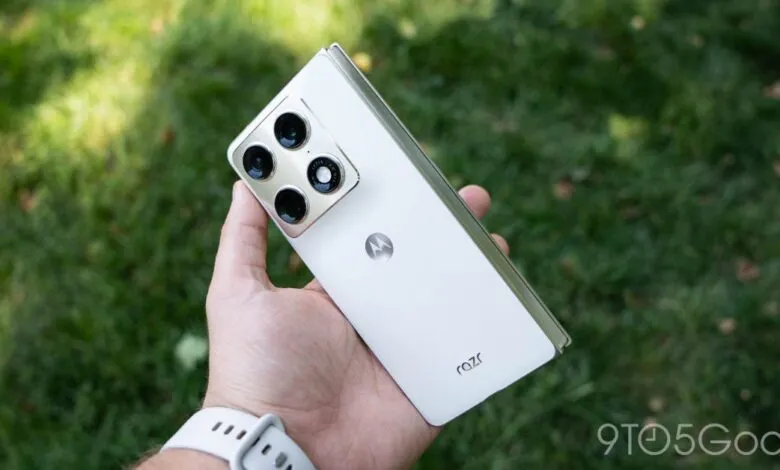
A strange and unsettling issue has surfaced on certain Motorola smartphones, where the device’s software appears to be hijacking the Amazon app to secretly insert affiliate referral codes into users’ shopping links. This means that when someone clicks on a product link within the Amazon app, the phone’s operating system may automatically append a tracking code designed to credit an unknown third party for the purchase.
The behavior was first identified by eagle-eyed users who noticed unfamiliar referral parameters appearing in their Amazon URLs. Upon further investigation, it became clear that the Motorola system software was intercepting the app’s traffic and modifying the request in real time. The affiliate codes are not part of the Amazon app itself, nor are they generated by the user’s own actions. Instead, they appear to be injected by a background process running on the phone.
This type of affiliate code injection raises serious concerns about user privacy and consent. Typically, affiliate marketing relies on explicit sharing or clicking on a specific link. Here, the phone is effectively hijacking the transaction without the user’s knowledge or permission. If a user makes a purchase after the code is injected, the affiliate commission would go to an unknown party, potentially the device manufacturer or a partner.
Motorola has not yet issued a public statement addressing the root cause of this behavior. However, the situation highlights a broader issue in the mobile ecosystem, where pre-installed software can sometimes operate in ways that prioritize revenue generation over user transparency. For now, users concerned about this practice may want to check their Amazon app’s URL parameters or consider using a different device or browser for sensitive shopping.
The discovery serves as a stark reminder that your phone’s operating system can influence even the most trusted apps, and that not all background processes are benign. As the story develops, many will be watching to see how Motorola and Amazon respond to this affiliate code controversy.
(Source: 9to5google.com)