Kodak’s Charmera: A Terrible Camera I Can’t Help But Love
▼ Summary
– The Kodak Charmera is a collectible, keychain-sized digital camera sold in blind boxes, which quickly sold out due to its novelty and low $30 price point.
– It is a fully automatic, extremely simple camera with minimal controls, a tiny screen, and very limited built-in storage, holding only two photos without a microSD card.
– The camera produces low-quality images with a small 1.6-megapixel sensor, resulting in soft, grainy, and desaturated photos with poor dynamic range, especially in low light.
– It includes fun filters and frames, with the black-and-white and high-contrast “pixel” filters being the most useful for hiding the camera’s technical shortcomings.
– Despite its poor performance, the Charmera’s main appeal is its charm and novelty, offering a fun, unpredictable “blind box” experience for capturing occasional lo-fi memories.
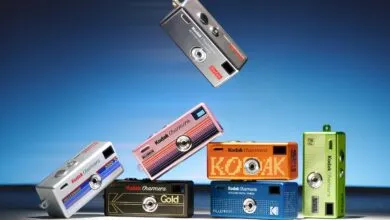
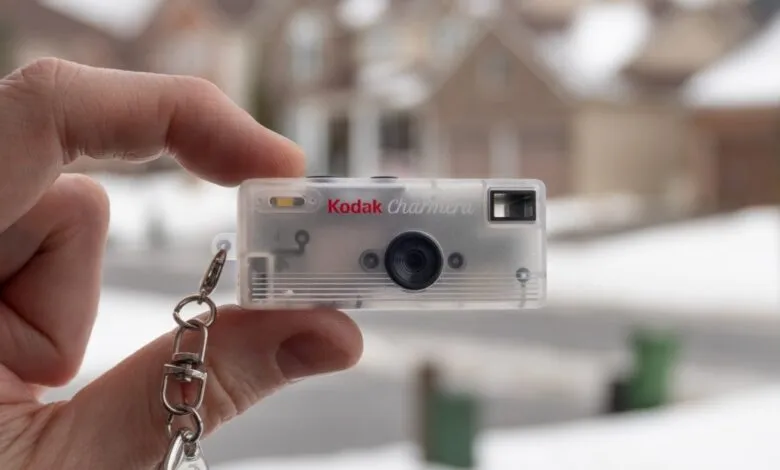
The Kodak Charmera is a tiny, collectible digital camera that sold out quickly after its debut, largely due to its low price and blind-box packaging. It won’t replace your phone, but its novelty and charm have earned it a cult following. This pint-sized gadget comes in several retro designs, including a rare transparent version, and is so small it can hang from a keychain. While its photographic capabilities are severely limited, that’s almost beside the point for a device designed more as a fun accessory than a serious imaging tool.
Unboxing the Charmera feels like opening a toy. The excitement isn’t just about which color you get, but discovering its minuscule size. It’s shockingly small, comparable to a tube of lip balm, which often draws surprised reactions when people realize the little plastic box on your keys is a working camera. The packaging itself, often a bright yellow retro-inspired box, adds to the playful experience.
Functionality is where the Charmera shows its true colors as a novelty item. It features just five buttons, with only one dedicated to taking pictures. This is a fully automatic camera with zero manual controls for exposure, focus, or white balance. A less-than-one-inch screen provides a live preview, and the menu system offers little customization beyond adding a date stamp. You cannot turn off the automatic flash, though on the transparent model, this has the quirky side effect of lighting up the entire camera from the inside.
Storage is another major limitation. The built-in memory holds a mere two photos, making a microSD card an essential purchase. Adding even a small, old card like a 4GB model dramatically increases capacity to over 14,000 images. This is possible because the camera uses a very small 1.6-megapixel sensor that produces photos at a resolution of just 1,440 by 1,080 pixels. Paired with a simple plastic lens, image quality is what you’d expect: soft, grainy, and noisy with desaturated colors. Dynamic range is poor, so highlights wash out and shadows lose detail. In low light, you must hold the 30-gram camera perfectly still to avoid blur.
Given these technical shortcomings, the included filters become more appealing. The black-and-white mode is one of the more frequently used options. A series of “pixel” filters that render images in high-contrast two-tone colors, like red, blue, yellow, and gray, can sometimes produce more interesting results than the standard color photos. It’s best to skip the decorative frames, which mostly feel like branded advertisements for Kodak.
Video recording is even less impressive. Saved as AVI files, clips are plagued by compression artifacts and jerky motion. The audio quality is poor, and if the included metal keychain isn’t secured, its jangling will dominate the soundtrack. Framing shots is a challenge due to the tiny screen, and the optical viewfinder is essentially just a hole through the camera body, offering little practical help.
Yet, for all its flaws, the Charmera possesses an undeniable allure. Its lack of controls, mediocre battery life, and terrible image quality are almost charming in their own right. It becomes a fun, pocketable trinket that you might use more often than anticipated. Taking a picture feels like its own blind box experience: most results are forgettable, but occasionally you capture a uniquely lo-fi memory that’s genuinely worth keeping. In the end, the camera lives up to its name, its primary appeal isn’t performance, but its quirky, collectible charm.
(Source: The Verge)