CES 2026: The Future of TV Revealed
▼ Summary
– Micro RGB is a new TV technology expected to be a major focus at CES 2026, with brands competing to launch color-rich models at reasonable prices.
– It is distinct from Micro LED technology, as it uses an advanced RGB LED array backlight on an LCD panel for superior color accuracy and volume, not self-emissive pixels.
– Major TV manufacturers are developing their own versions, such as LG’s Micro RGB evo, Samsung’s Micro RGB, Hisense’s RGB Mini-LED, and Sony’s True RGB, though the core technology is similar.
– Hisense has already brought a version to market, emphasizing value and affordability as key advantages over competitors like Samsung and LG.
– The article suggests Micro RGB TVs could be a significant advancement for home displays due to their potential for high color performance and better value compared to past premium technologies.
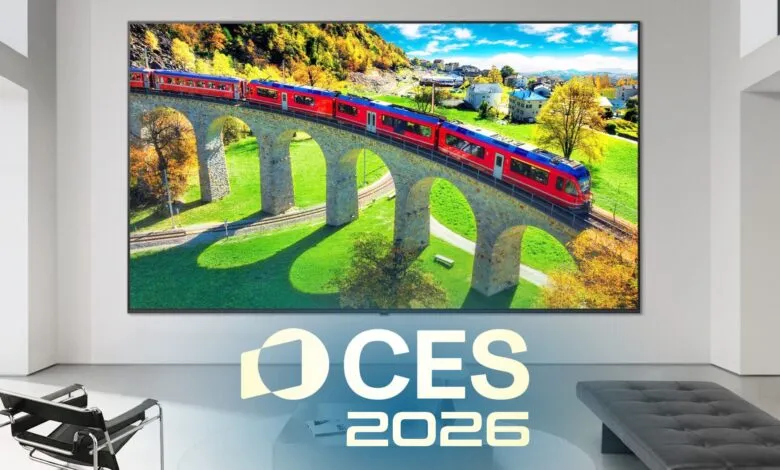
The annual CES exhibition consistently serves as the premier platform for unveiling the next wave of consumer technology, and the upcoming 2026 event is poised to be dominated by a single, transformative innovation in home entertainment. Micro RGB television technology is set to become the defining trend, with every major manufacturer racing to introduce their own interpretation of these highly color-accurate displays. The global stage of CES provides the perfect venue for these brands to showcase their latest designs, promising to fundamentally reshape our expectations for picture quality and value.
It’s crucial to understand that Micro RGB is not the same as Micro LED, despite the similar naming convention. Micro LED, once hailed as a potential OLED alternative for its self-emissive pixels and perfect blacks, has largely remained a niche product due to prohibitively high costs. In contrast, Micro RGB sets do not use self-emissive technology. Instead, they are being championed as the next major advancement for their exceptional color reproduction. These displays, also referred to as true color TVs or RGB Mini-LED TVs, are built upon an LCD foundation. They utilize an advanced backlighting system composed of an array of incredibly small red, green, and blue LEDs. This represents a significant evolution from standard Mini-LED TVs, which typically use a white or blue light source, by offering vastly superior color accuracy and volume. Recent prototypes from companies like LG and Samsung feature LEDs measuring under 100 microns, truly microscopic in scale and far smaller than conventional Mini-LEDs.
The branding landscape for this new technology is already crowded, leading to some consumer confusion. While the core benefits are shared across brands, including superior brightness compared to OLED, expansive color gamut coverage, and extended longevity, each company has adopted its own marketing name. LG is promoting its version as Micro RGB evo, while Samsung uses the simpler Micro RGB moniker. Hisense, which was first to market with a consumer model in 2025, brands its technology RGB Mini-LED. Sony has trademarked the name True RGB for its anticipated entry. The specific approaches may vary slightly; for instance, Hisense’s initial implementation uses marginally larger LEDs than LG or Samsung’s “Micro” versions, but the underlying principle remains consistent.
Hisense has strategically positioned itself on the value front. Company representatives have emphasized that their RGB Mini-LED TVs will offer a much more attainable price point compared to competitors, which they believe will be a key driver for consumer adoption in 2026. This aggressive pricing could force rivals like Samsung and LG to compete more fiercely. Meanwhile, Sony’s entry, though only seen in early prototype form, generates significant anticipation due to the company’s renowned prowess in image processing and engineering, which could yield unparalleled cinematic performance. The remaining question marks are TCL and Panasonic, who have yet to officially announce models, though industry observers expect TCL to reveal its strategy soon.
History is littered with television technologies that flashed brightly but faded quickly, from curved screens to 3D. Micro RGB TV technology stands apart due to its compelling balance of performance and potential value. By harnessing microscopic RGB LEDs, this innovation promises to deliver color richness and accuracy that brings on-screen images closer to real life than ever before. The true test begins when CES 2026 opens its doors, where these next-generation displays will step into the spotlight and define the future of home viewing.
(Source: Tom’s Guide)