Metroid Prime 4: Beyond’s Stunning Tech Clashes With Its Design

▼ Summary
– Metroid Prime 4 had a troubled decade-long development, being scrapped and restarted before returning to its original studio, Retro Studios.
– The game is a technical marvel with impressive graphics, sound, and performance options on the Nintendo Switch 2.
– Its core design is criticized for being too linear and action-focused, neglecting the series’ signature exploration and puzzle-solving.
– The game is further hampered by annoying, quippy side characters who disrupt the series’ carefully curated mood.
– Despite some nostalgic moments in its middle section, the game’s tedious opening and scattered direction make it hard to recommend.
The long-awaited Metroid Prime 4: Beyond presents a jarring paradox, showcasing breathtaking technical artistry on the Nintendo Switch 2 while simultaneously undermining the series’ core identity with baffling design choices. After a famously troubled development cycle that saw the project rebooted and returned to Retro Studios, the final product feels like a clash of visions. It is a game of stunning audiovisual craft that too often forgets the atmospheric isolation and thoughtful exploration that defined its predecessors, resulting in a frustrating experience that will test the patience of even dedicated fans.
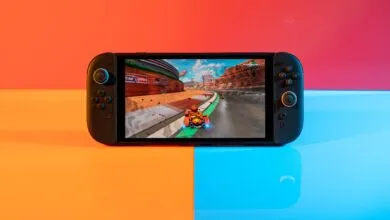
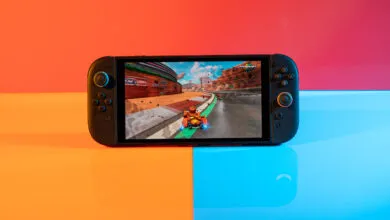
Playing primarily in handheld mode reveals a technical showcase. The game offers two graphical modes: a crisp, high-resolution option running at a smooth 60 frames per second and a remarkably fluid 120 FPS mode at 720p. The visual presentation is a masterclass in artistic efficiency, with vibrant colors, dynamic lighting, and subtle particle effects creating a living world. The sound design is equally impressive, layering haunting choral vocals over immersive ambient tracks. This approach proves that prioritizing cohesive art and performance over raw graphical power can yield spectacular results, setting a standard other developers should note.
However, this technical brilliance is constantly at odds with the game’s structure and tone. The opening hours are aggressively linear, funneling players through combat-heavy corridors before imposing a lengthy, mandatory tutorial for Samus’s new motorcycle, the Vi-O-La. Just as the world begins to open up, the game introduces a desolate desert hub that feels oddly disconnected. Rather than creating a sense of grandeur, this overworld makes backtracking a chore and dilutes the series’ signature feeling of a cohesive, interconnected planet.
The narrative further disrupts the atmosphere with a parade of intrusive side characters. Endless commentary from figures like the quip-happy Galactic Federation engineer, Myles Mackenzie, shatters any sense of solitude. These companions repeatedly express wide-eyed awe at meeting Samus, delivering cringe-inducing lines about her suit or reputation even during tense, life-threatening situations. This constant chatter stands in direct opposition to the silent, lonely exploration that made the Metroid Prime series so compelling.
There are fleeting moments where the classic formula shines through. The middle section offers glimpses of the satisfying loop fans remember, with solid combat sequences, clever “a-ha” puzzle solutions, and the simple pleasure of hunting for missile expansions and energy tanks in previously visited areas. These segments provide a nostalgic scratch, reminding players of the greatness buried beneath the clutter.
Ultimately, the game feels directionless and scattered, a rarity for a first-party Nintendo title. The tedious opening, inconsistent pacing, and tonal missteps make it a difficult recommendation. For die-hard Metroid enthusiasts willing to overlook significant flaws for those occasional sparks of brilliance, a cautious approach is advised. For everyone else, this is one bounty likely best left unclaimed.
(Source: NPR)